
Japan is witnessing an unusually early start to its annual influenza season, raising public health concerns as hospitals and clinics report a sharp rise in flu-like cases across several regions. Medical experts believe the early surge is being driven by the spread of a newly detected influenza variant, combined with seasonal weather changes and increased public movement.
Traditionally, Japan’s flu season peaks between December and February. However, this year, cases began increasing as early as late October and early November. Schools, workplaces, and public transport systems have reported a growing number of absences due to fever, cough, sore throat, and fatigue—classic flu symptoms.
 WhatsApp Image 2024 07 01 at 13.58.28 4cfca4e0
Health authorities have confirmed the presence of a new influenza variant through routine surveillance systems. While it does not appear to be more deadly at this stage, experts say it may be spreading faster than previous strains, contributing to the early outbreak.
Virologists are closely monitoring the strain for any changes in severity or vaccine resistance. So far, existing flu vaccines are expected to provide reasonable protection, although their effectiveness may vary depending on individual immunity.
“The concern is not panic, but preparedness,” a senior public health official stated. “We are urging citizens to take preventive measures seriously, especially as winter has not yet fully arrived.”
Hospitals in major cities such as Tokyo, Osaka, and Fukuoka have already begun to feel the pressure. Pediatric wards, in particular, have seen a rise in young patients suffering from high fever and respiratory symptoms. Some healthcare facilities have reported longer waiting times and increased demand for antiviral medications.
Doctors are also warning that simultaneous circulation of COVID-19, influenza, and common respiratory infections could further strain the healthcare system in the coming weeks.
Experts point to several factors behind the early flu surge:
● Weather fluctuations: Sudden changes in temperature can weaken immunity and help viruses spread more easily.
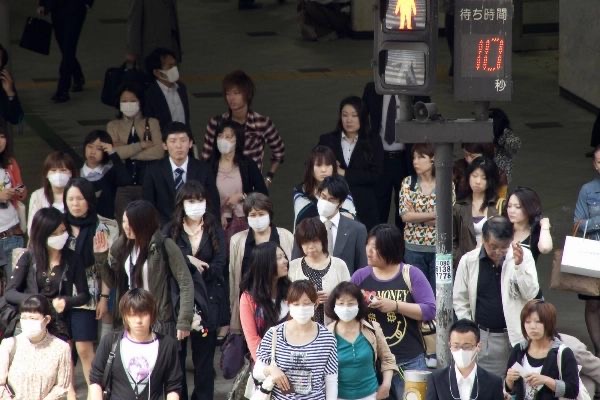
● Increased social activity: With festivals, tourism, and normal office work fully resumed, close-contact transmission has increased.
● Lower post-pandemic immunity: During the pandemic years, reduced exposure to common viruses may have weakened natural immunity in many people.
Together, these factors have created favorable conditions for the virus to spread earlier than usual.
Government Response and Public Advisory
The Japanese government has stepped up surveillance and issued advisories urging people to get vaccinated as soon as possible. Free or subsidized flu vaccination programs are being promoted, especially for elderly citizens, children, pregnant women, and people with chronic illnesses.
The Ministry of Health has also encouraged:
● Wearing masks in crowded indoor spaces
● Frequent handwashing and use of sanitizers
● Staying home when experiencing flu symptoms
● Avoiding close contact with vulnerable individuals when sick
Schools have been advised to monitor student health closely and take swift action if clusters of infections appear.
Many citizens have expressed concern over the early flu spread, especially families with school-going children. Pharmacies have reported increased sales of masks, thermometers, and cold medicines.
“I usually take the flu shot in December, but this year I got it early after seeing so many cases at my child’s school,” said a Tokyo resident.
At the same time, health officials are urging the public not to panic but to stay informed and follow basic safety guidelines.
Medical experts believe the flu wave could intensify as winter progresses, particularly if temperatures drop sharply and indoor crowding increases. Continuous monitoring of the new variant will be crucial in determining whether additional public health measures may be required.
For now, authorities emphasize that early vaccination, hygiene practices, and responsible behavior remain the most effective tools to limit the impact of the flu season.
As Japan prepares for the peak winter months, the early arrival of influenza serves as a reminder that seasonal viruses remain a serious public health challenge even as the world continues to adjust to post-pandemic life.
Link to the article : https://www.japantimes.co.jp/news/2025/12/02/japan/science-health/flu-season/