Original News source: https://www.facebook.com/share/1BfkYGDdsH/?mibextid=wwXIfr
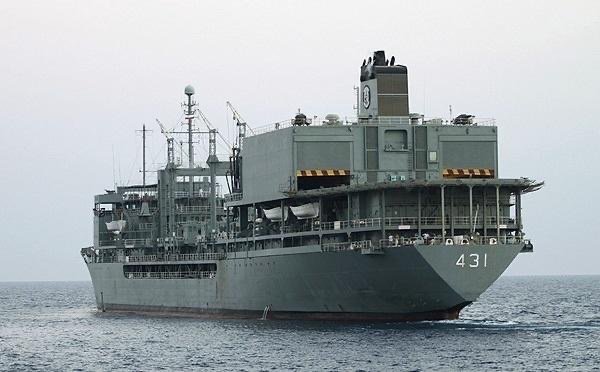
In a significant diplomatic development, Abbas Araghchi has indicated that Iran is prepared to allow Japan-related vessels to safely transit the strategically vital Strait of Hormuz despite ongoing regional tensions.
 WhatsApp Image 2024 07 01 at 13.58.28 4cfca4e0
A Strategic Assurance for Energy Security
The Strait of Hormuz remains one of the world’s most critical oil chokepoints, with nearly 90–93% of Japan’s crude oil imports passing through the route.
Araghchi’s remarks suggest that Iran is willing to differentiate between countries amid the ongoing conflict, offering safe passage to nations it does not consider hostile.
Recent reports indicate that Iran has not fully closed the strait, but has instead imposed selective restrictions primarily targeting vessels linked to countries involved in military actions against Tehran.
Selective Access in a High-Risk Corridor
Iran’s approach appears to be evolving into a controlled access model:
● Ships from “non-hostile” countries may be allowed passage
● Nations maintaining diplomatic engagement with Tehran could receive navigation assurances
● Others may face restrictions or heightened risks
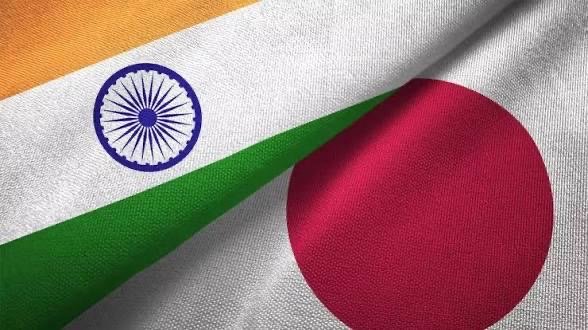
This strategy has already been seen in action. India-flagged tankers were recently allowed to pass through the strait following diplomatic talks, highlighting Iran’s willingness to negotiate access on a country-by-country basis.
The situation in the Strait of Hormuz has become a focal point of global concern:
● Around 20% of the world’s oil supply flows through the waterway
● Disruptions have pushed oil prices higher and strained global supply chains
● Multiple countries, including Japan, are exploring ways to ensure maritime security
At the same time, tensions remain high, with Iran maintaining that the strait is technically open but unsafe due to ongoing conflict dynamics.
Japan’s Delicate Balancing Act
For Japan, the stakes are particularly high. As a nation heavily dependent on Middle Eastern energy imports, ensuring uninterrupted oil flow is critical.
Tokyo has so far taken a cautious stance balancing:
● Its alliance with Western nations
● Its need for stable energy supplies
● Diplomatic engagement with Iran
Iran’s willingness to facilitate Japanese shipping could ease immediate concerns, but the broader geopolitical risks remain unresolved.
Araghchi’s statement is more than just a logistical assurance it reflects a broader geopolitical message:
Iran is signaling openness to cooperation with select countries, even as it confronts others.
In an increasingly fragmented global landscape, access to vital trade routes like the Strait of Hormuz is no longer just about geography It is about diplomacy, alignment, and strategic positioning.