By North Asia correspondent Natalie Whiting and Akane Saiki
Link to the article: https://www.abc.net.au/news/2026-03-24/japan-consumers-panic-buying-toilet-paper/106490370
 WhatsApp Image 2024 07 01 at 13.58.28 4cfca4e0
As global tensions linked to the Iran conflict ripple through economies, an unexpected concern has surfaced in Japan panic buying of toilet paper. Authorities are now stepping in to calm fears and urge citizens to act rationally.
Government Calls for Calm
Officials in Japan, including the Ministry of Economy, Trade and Industry, have made it clear: there is no shortage of toilet paper. Despite rising anxiety tied to the geopolitical situation, supply chains for household paper products remain stable and unaffected.
Around 97% of Japan’s toilet paper is produced domestically, using recycled materials and local pulp. This means it has little to no dependence on Middle Eastern imports, even as oil supply concerns grow.
Why Are People Panic Buying?
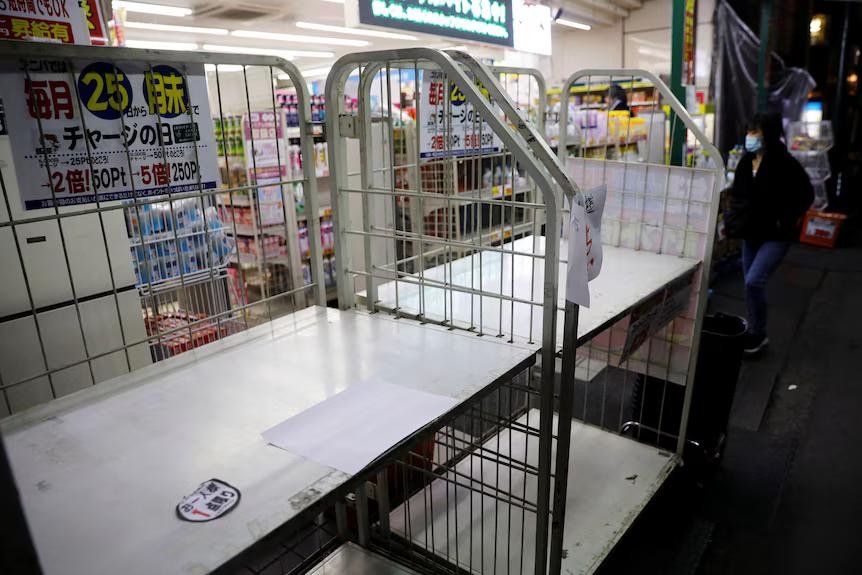
The recent wave of stockpiling appears to be driven more by fear than facts.
● Social media posts showing empty shelves have fueled urgency
● Concerns about global supply disruptions have spread quickly
● A “herd mentality” effect is pushing more people to buy extra
Even though there is no real shortage, once people see others hoarding, it creates a chain reaction.
The Real Issue: Energy, Not Essentials
Japan is heavily dependent on Middle Eastern oil, with a large portion passing through critical routes like the Strait of Hormuz. This has raised concerns about fuel prices and energy security not toilet paper.
To counter this, the government has already taken steps like releasing oil reserves and introducing subsidies to stabilize fuel costs.
A Pattern From the Past
This isn’t the first time Japan has seen such behavior.
Panic buying of toilet paper has occurred during:
● The 1970s oil crisis
● The 2011 earthquake and tsunami
● The COVID-19 pandemic
These past experiences have conditioned people to stock up early even when shortages don’t actually exist.
The Psychology Behind It
Experts say toilet paper has become a symbol of security in times of uncertainty. It’s bulky, visible, and essential making it one of the first items people rush to buy during crises.
Ironically, this behavior can create temporary shortages, even when supply is perfectly stable.
Final Takeaway
Japan’s message is simple: don’t panic.
There is no disruption to toilet paper production, and authorities are urging citizens to rely on verified information rather than rumors. The situation highlights how quickly fear can spread and how important it is to stay informed during global uncertainty.
In times of crisis, sometimes the biggest shortage isn’t products, it’s calm thinking.