Originally by: Deeksha Arya, Ph.D
 WhatsApp Image 2024 07 01 at 13.58.28 4cfca4e0
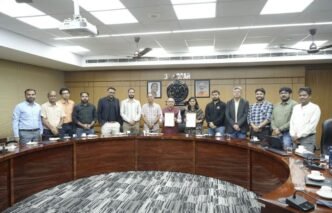
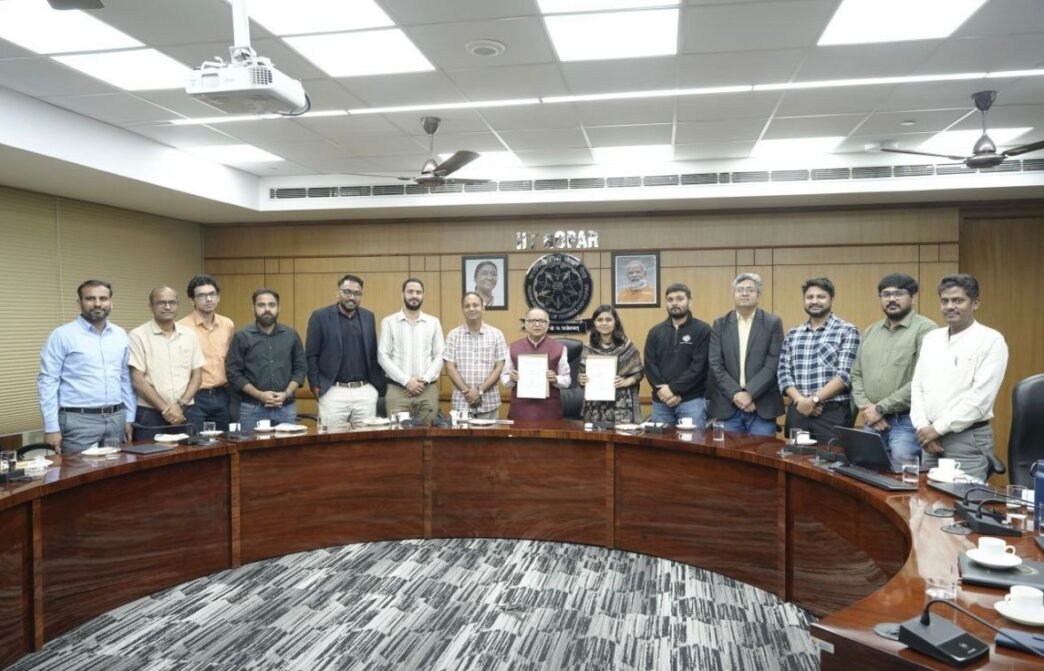
A significant step toward strengthening international academic collaboration has been marked with the signing of a Memorandum of Understanding (MoU) between the Center for Spatial Information Science at the University of Tokyo and Indian Institute of Technology Ropar.
This partnership reflects a shared commitment between Japan and India to tackle complex global challenges particularly in areas such as urban planning, spatial data science, and disaster resilience. By combining expertise from both nations, the collaboration aims to create innovative, research-driven solutions that can have real-world impact.
One of the most promising aspects of the MoU is its focus on expanding career pathways for students and researchers. Through structured academic exchanges, joint research initiatives, and co-supervision opportunities, the partnership seeks to simplify access to international exposure, something that is often difficult to navigate independently.
The initiative also highlights the importance of cross-border academic ecosystems in nurturing future talent. With institutions like the Center for Spatial Information Science bringing advanced research capabilities and Indian Institute of Technology Ropar contributing strong technical expertise, the collaboration is poised to benefit both academic communities.
The signing ceremony in India was marked by active participation from institutional leaders and faculty members. Guidance from Yoshihide Sekimoto, Director of CSIS, played a key role in shaping the initiative. Contributions from Ai Suzuki ensured smooth coordination on the Japan side.
On the Indian front, the leadership of Rajeev Ahuja, along with the support of faculty members including Surya Kant Sahdeo, was instrumental in hosting and facilitating productive discussions.
Beyond formal agreements, the collaboration signals a deeper alignment of vision between the two countries, one that prioritizes knowledge exchange, innovation, and global problem-solving.
With several joint initiatives already in the pipeline, this India–Japan partnership is expected to open new avenues for research, learning, and professional growth in the years ahead.