
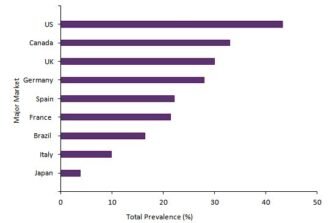
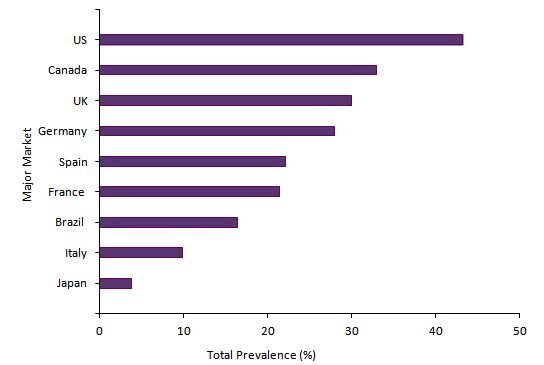
Japan consistently ranks among the leanest developed countries, with obesity rates far lower than those seen in nations like the United States or the United Kingdom. What makes this particularly interesting is that the Japanese diet includes foods many people elsewhere often blame for weight gain ramen, rice, and even beer.
This contrast challenges a common narrative: that carbohydrates are the primary driver of obesity. In reality, Japan’s success in maintaining low obesity levels comes from a broader lifestyle system built on balance, culture, and everyday habits rather than strict dieting.
 WhatsApp Image 2024 07 01 at 13.58.28 4cfca4e0
One of the biggest factors is the overall composition of meals. While carbohydrates such as rice and noodles are staples, they are typically accompanied by vegetables, fish, seaweed, and soy-based foods like tofu and miso.
These additions are nutrient-dense and relatively low in calories, helping people feel full without consuming excessive energy. Instead of eliminating food groups, meals are designed to be balanced, ensuring that no single component dominates the plate.
Portion control also plays a crucial role. In Japan, meals are often served in smaller portions across multiple dishes rather than one large serving. This approach not only limits overeating but also encourages mindful eating, where individuals pay attention to flavors, textures, and satisfaction levels. Eating becomes a more deliberate experience, reducing the likelihood of consuming food out of habit or distraction.
Another important cultural practice is hara hachi bu, a principle that encourages people to eat until they are about 80% full rather than completely satisfied. This subtle shift in mindset can significantly reduce calorie intake over time without creating a sense of deprivation. It reflects a long-term approach to health, where moderation is prioritized over extremes.
Physical activity is naturally embedded into daily life as well. Many people walk or cycle as part of their routine, whether commuting to work, going to school, or running errands.
Public transportation systems often require walking between stations, adding to daily movement without the need for structured exercise programs. This consistent, low-intensity activity contributes to maintaining a healthy weight over time.
Diet quality is another distinguishing factor. While convenience foods are available, traditional eating habits still emphasize fresh, seasonal ingredients and home-cooked meals.
This reduces reliance on ultra-processed foods that are often high in sugar, unhealthy fats, and empty calories. As a result, even indulgent foods like ramen are typically part of a varied diet rather than a daily staple.
Education and early habits also shape long-term outcomes. From a young age, children in Japan are taught about nutrition and balanced eating through school meal programs and cultural practices. These early lessons create a strong foundation, making healthy choices feel normal rather than forced later in life.
Finally, there is a societal emphasis on preventive health. Regular checkups, workplace wellness initiatives, and general social awareness around maintaining a healthy weight all contribute to keeping obesity rates low. Rather than addressing health issues only after they arise, the focus is on preventing them through consistent habits and accountability.
In the end, Japan’s low obesity rate is not the result of avoiding specific foods like carbs, but of a well-integrated system that combines balanced meals, portion control, active living, and cultural mindfulness. It shows that sustainable health is less about restriction and more about the everyday environment that shapes how people eat and live.