
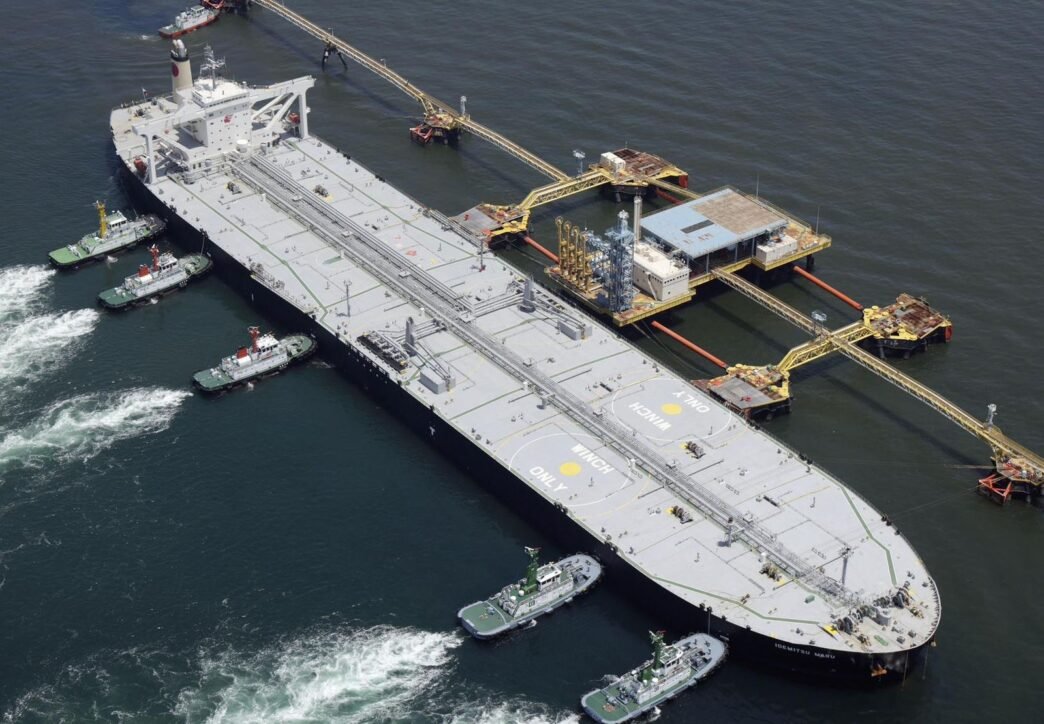
A Japanese oil tanker has safely arrived in Japan after passing through the strategically important Strait of Hormuz, becoming one of the first such arrivals since tensions linked to the Iran conflict disrupted regional shipping routes.
The vessel, operated by Idemitsu Kosan, carried a major shipment of Saudi crude oil to Japan, highlighting the importance of stable maritime energy routes for the country’s economy and energy security.
 WhatsApp Image 2024 07 01 at 13.58.28 4cfca4e0
The development has drawn international attention as global markets continue monitoring oil transportation and shipping activity in the Gulf region.
Strait of Hormuz Remains a Critical Global Energy Route
The Strait of Hormuz is considered one of the world’s most important maritime chokepoints for oil and gas transportation.
The route is vital for:
● Global crude oil shipments
● LNG transportation
● Energy supply chains
● International trade routes
● Asian energy imports
● Maritime commercial traffic
● Global fuel market stability
Disruptions in the area often impact international energy prices and shipping operations worldwide.
Japanese Tanker Successfully Completed the Journey
According to reports, the tanker transported a large volume of Saudi crude oil to Japan after navigating the sensitive maritime route.
The shipment is important because Japan relies heavily on imported energy resources, particularly from the Middle East.
The tanker’s arrival highlights:
● Continued oil supply operations
● Maritime logistics coordination
● Energy security planning
● International shipping resilience
● Strategic trade management
● Gulf-to-Asia energy transportation
● Stable refinery supply chains
The oil is expected to support domestic fuel production and industrial operations in Japan.
Japan Depends Heavily on Energy Imports
Japan imports a significant portion of its energy resources due to limited domestic fossil fuel production.
Major imported resources include:
● Crude oil
● Liquefied natural gas (LNG)
● Petroleum products
● Industrial fuel supplies
● Energy raw materials
● Chemical feedstocks
● Power generation resources
Securing stable import routes remains a key priority for Japan’s energy and economic strategy.
Regional Tensions Continue Affecting Global Shipping
Shipping activity around the Strait of Hormuz has faced disruptions due to ongoing geopolitical tensions and security concerns.
Industry concerns often involve:
● Maritime safety
● Energy supply disruptions
● Rising shipping costs
● Insurance risks
● Oil price volatility
● Strategic trade routes
● International shipping security
Global governments and energy companies continue closely monitoring developments in the region.
Japan Continues Strengthening Energy Security Measures
Japan has increasingly focused on diversifying energy sources and strengthening supply chain resilience.
Key efforts include:
● Expanding alternative energy partnerships
● Increasing strategic reserves
● Diversifying crude oil suppliers
● Supporting maritime security cooperation
● Investing in renewable energy
● Enhancing LNG infrastructure
● Promoting energy efficiency initiatives
The country remains highly focused on maintaining stable fuel supplies for its industries and population.
Why the Tanker’s Arrival Is Drawing Attention
1. It Marks a Major Shipping Development
The vessel successfully navigated a highly sensitive maritime route.
2. Japan Relies Heavily on Middle Eastern Oil
Stable oil transportation is critical for the Japanese economy.
3. Hormuz Is Vital for Global Energy Trade
The strait remains one of the world’s most important shipping corridors.
4. Regional Conflict Continues Affecting Markets
Energy and shipping industries remain alert to geopolitical risks.
Frequently Asked Questions (FAQs)
Q: Why is the Strait of Hormuz important?
A: It is one of the world’s most critical maritime routes for transporting oil and natural gas.
Q: Why is the Japanese tanker’s arrival significant?
A: It demonstrates the continuation of energy shipments despite regional tensions affecting shipping routes.
Q: Where did the tanker’s oil come from?
A: Reports indicate the tanker carried crude oil from Saudi Arabia to Japan.
Q: Why does Japan depend on imported oil?
A: Japan has limited domestic fossil fuel resources and imports much of its energy supply.
Q: How do regional conflicts affect global oil markets?
A: Shipping disruptions and security risks can impact oil prices, transportation costs, and energy supply chains worldwide.
Final Word: Energy Security Remains a Major Priority for Japan
The successful arrival of a Japanese oil tanker after passing through the Strait of Hormuz highlights the continued importance of stable maritime trade routes during periods of geopolitical uncertainty.
As global energy markets remain sensitive to regional developments, Japan continues focusing on securing reliable energy supplies and strengthening long-term energy resilience.
The event also underscores how closely interconnected global shipping, energy security, and international diplomacy remain in today’s world.