
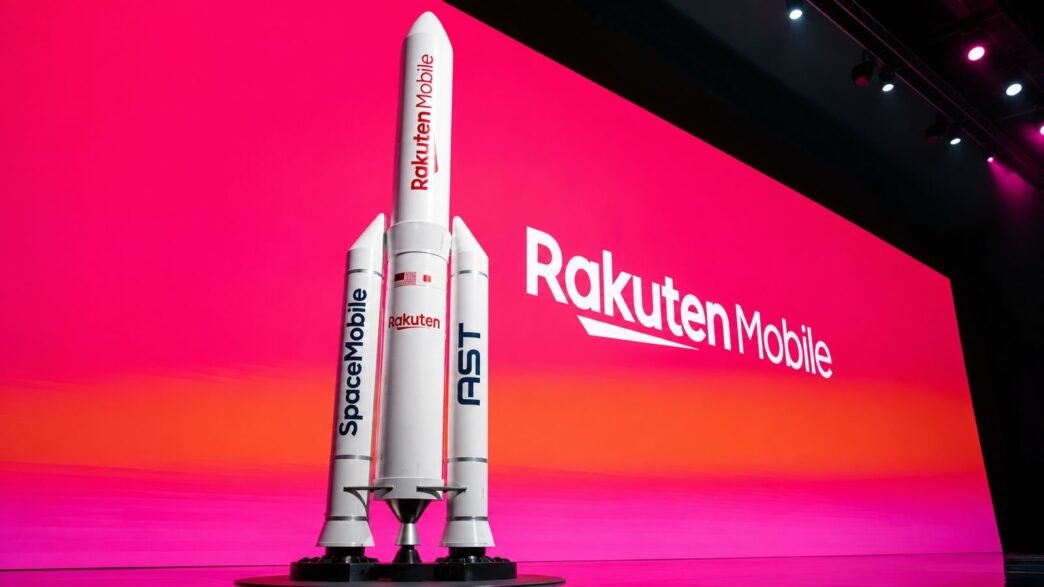
Japan’s telecommunications sector is preparing for a major technological leap as Rakuten moves forward with plans to launch the country’s first domestic satellite-to-smartphone communication network. The ambitious initiative aims to provide direct connectivity between satellites and standard smartphones, positioning Rakuten as a potential competitor to global players such as Starlink.
The project marks a significant step toward expanding mobile coverage across Japan, particularly in remote, mountainous, and disaster-prone regions where traditional network infrastructure can be challenging to maintain.
 WhatsApp Image 2024 07 01 at 13.58.28 4cfca4e0
A New Era of Mobile Connectivity
Rakuten’s satellite communication service is designed to allow users to connect directly to satellites using ordinary smartphones without requiring specialized equipment.
The technology could offer:
● Connectivity in remote locations
● Emergency communication capabilities
● Expanded network coverage
● Improved disaster resilience
● Reduced dependence on ground infrastructure
● Nationwide communication access
● Enhanced mobile services
The initiative reflects the growing global interest in direct-to-cell satellite communications.
The launch places Rakuten among a growing number of companies exploring satellite-based mobile connectivity.
The project is expected to compete with services offered by international operators seeking to integrate satellite technology into everyday mobile networks.
Industry experts believe the technology could:
● Improve rural connectivity
● Strengthen telecommunications infrastructure
● Support emergency response efforts
● Enhance network reliability
● Create new digital opportunities
● Accelerate technological innovation
● Expand communication access nationwide
Strengthening Disaster Preparedness
As a country frequently affected by earthquakes, typhoons, and other natural disasters, Japan places significant emphasis on maintaining reliable communication networks.
Satellite-to-smartphone technology can provide:
● Backup communications during emergencies
● Connectivity when terrestrial networks are damaged
● Faster disaster response coordination
● Improved public safety
● Greater resilience during extreme weather events
● Reliable access in isolated areas
The system could become an important component of Japan’s disaster preparedness strategy.
Expanding Japan’s Space and Telecom Ambitions
The project also highlights Japan’s growing focus on space-based technologies and next-generation telecommunications.
Benefits may include:
● Technological leadership
● Innovation in mobile communications
● Growth of the domestic space industry
● Enhanced digital infrastructure
● New business opportunities
● Support for smart connectivity solutions
● Greater international competitiveness
The development aligns with broader efforts to strengthen Japan’s position in advanced technology sectors.
Rakuten aims to become the first Japanese company to offer a domestic satellite-smartphone communication service.
The technology could bring connectivity to areas where traditional networks are difficult to deploy.
Satellite communications can provide critical backup during emergencies.
The move introduces a domestic challenger in the rapidly evolving satellite communications market.
Rakuten’s planned satellite-to-smartphone network represents a major milestone for Japan’s telecommunications industry. By combining space technology with everyday mobile communications, the company aims to improve connectivity, strengthen disaster resilience, and compete in a rapidly expanding global market. If successful, the initiative could transform how people stay connected across Japan and reinforce the country’s reputation as a leader in technological innovation.