Japan’s continued success in international badminton is being supported by an often-overlooked factor: food.
While training, coaching, sports science and physical conditioning are central to elite performance, Japan’s badminton programme has also placed increasing emphasis on nutrition and maintaining players’ physical condition throughout the international season.
 WhatsApp Image 2024 07 01 at 13.58.28 4cfca4e0
Japanese badminton players spend much of the year travelling internationally for tournaments. That can make maintaining a consistent diet difficult.
Sports nutrition specialists working with Japan’s national badminton team have studied players’ nutritional intake and developed individual recommendations to ensure athletes receive appropriate amounts of energy and key nutrients.
For some players, familiar Japanese food also provides something beyond nutrition: comfort and consistency.
Japanese Paralympic badminton player Yuma Yamazaki, for example, has spoken about carrying cooking equipment and Japanese food when travelling overseas because foreign food did not always suit her. Her pre-match favourite is onigiri, a simple rice-based food that provides carbohydrates while also giving her a familiar taste of home.
The Challenge of International Competition
Elite badminton players can compete across several consecutive days, sometimes playing long matches while travelling between countries.
Research involving a Japanese national-team player found that energy, carbohydrate and protein intake could fall below targeted levels during an international tournament. Body weight and fat-free mass also declined during the competition.
These findings demonstrate why nutrition cannot simply be treated as an afterthought.
For athletes competing at the highest level, what they eat, when they eat and how consistently they can maintain their diet can influence their ability to recover and perform.
From Home Cooking to Sports Science
Japan’s approach combines traditional eating habits with increasingly sophisticated sports nutrition.
The Japan Institute of Sports Sciences has provided nutritional support to the national badminton team since 2013, using dietary assessments, individual recommendations and nutrition education to improve players’ conditioning.
The goal is not simply to make athletes eat more. It is to ensure that their meals provide the right balance of energy, carbohydrates, protein and other nutrients according to their training and competition demands.
One of the practical solutions developed for the Japanese national badminton team has been self-catering during overseas tournaments.
Researchers found that insufficient dietary intake could contribute to reductions in body weight and fat-free mass during competition. In response, the team has promoted self-catering in hotel rooms and prepared plans covering the type, quantity and timing of supplementary foods.
This approach allows players to retain greater control over their diet even when competing thousands of kilometres from Japan.
Why Familiar Food Can Be Important
For athletes travelling internationally, food is also connected to routine.
A familiar meal can provide psychological comfort after a long journey or demanding match. Foods such as rice and onigiri are also convenient sources of carbohydrates, which are important for athletes participating in high-intensity sports.
This combination of familiarity, convenience and nutritional value makes Japanese home-style food particularly useful when players are away from home.
Japan’s Broader Badminton Growth
The importance of nutrition comes alongside Japan’s wider development as a badminton power.
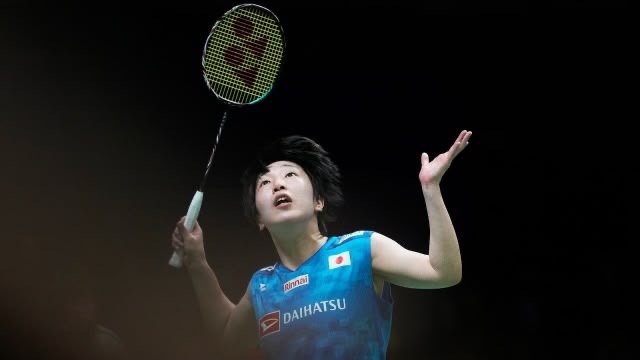
Japanese players continue to compete at the highest international level, with athletes such as Akane Yamaguchiand Koki Watanabe featuring prominently on the international circuit.
At the 2026 Japan Open, Yamaguchi reached the women’s singles final, while Watanabe reached his first Japan Open final, demonstrating the continued strength and depth of Japanese badminton.
1. Better Conditioning
Carefully managed nutrition helps players maintain their physical condition through demanding tournaments.
2. Consistency While Travelling
Home-style food and self-catering can help athletes maintain familiar eating routines overseas.
3. Sports Science Integration
Japan combines traditional dietary habits with professional nutritional assessment and individual planning.
4. Supporting Long-Term Performance
Nutrition is part of a broader system involving training, recovery, coaching and sports science.
Japan’s badminton success is not built on one secret formula. Training, talent, coaching, sports science and nutrition all play a role.
But the humble home-cooked meal may be one of the less visible pieces of the puzzle.
From carrying familiar Japanese food overseas to carefully planned nutrition and self-catering during tournaments, Japan’s badminton programme shows how something as simple as eating the right food at the right time can become an important part of elite sporting performance.