Introduction
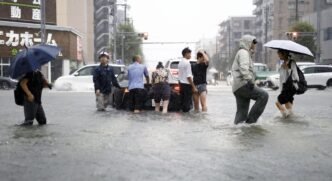
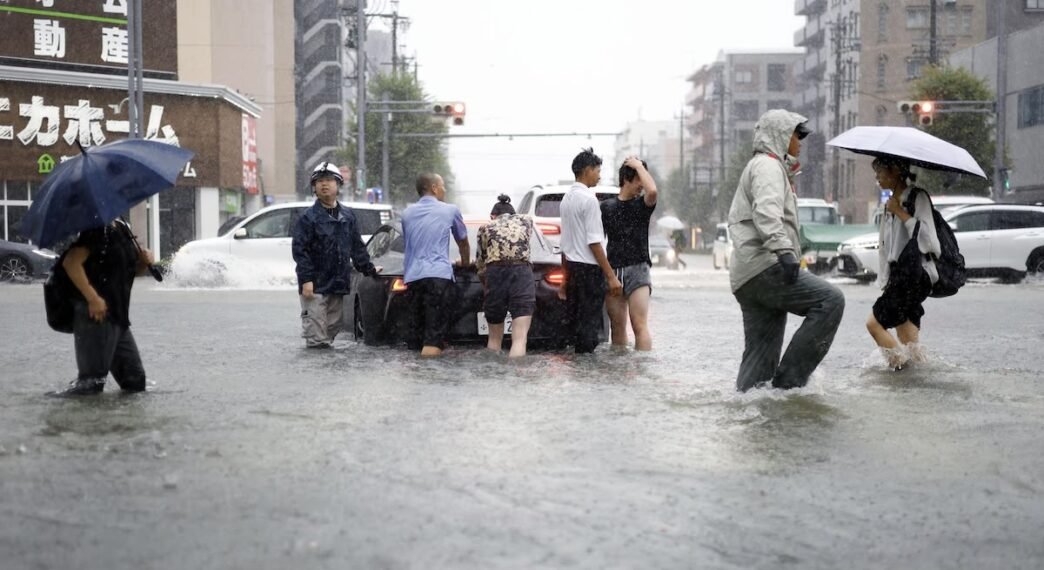
Torrential rain has hit central Japan, causing flooding in parts of Nagoya and affecting important infrastructure. The intense rainfall has created difficult conditions for residents and disrupted normal activities across affected areas.
The situation highlights the risks faced by Japanese cities when intense rainfall overwhelms drainage systems and urban infrastructure.
 WhatsApp Image 2024 07 01 at 13.58.28 4cfca4e0
Heavy Rain Hits Central Japan
Central Japan has experienced intense rainfall, with Nagoya among the areas facing the impact.
Heavy downpours can quickly lead to flooding in urban areas, particularly when large amounts of water accumulate faster than drainage networks can handle.
● Nagoya has been affected by flooding
● Torrential rainfall has disrupted local conditions
● Vital infrastructure has come under pressure
● Authorities and residents face challenges from continuing bad weather
Flooding Disrupts Vital Infrastructure
One of the major concerns following extreme rainfall is its impact on infrastructure.
Floodwater can affect roads, transport facilities, public services and other essential systems. When infrastructure is disrupted, the effects can extend beyond the areas directly affected by rising water.
For a major urban centre such as Nagoya, maintaining transportation and essential services is particularly important during severe weather.
Why Urban Flooding Is a Growing Concern
Japan has extensive experience dealing with natural disasters, but increasingly intense rainfall can still create serious challenges.
Urban areas often have large amounts of paved surfaces, meaning rainwater cannot easily soak into the ground. During exceptionally heavy rainfall, drainage systems can become overwhelmed, increasing the risk of flooding.
Impact on Residents
Flooding can make everyday travel and movement difficult for residents.
People living in affected areas may face:
● Waterlogged roads and streets
● Disruptions to public transportation
● Difficult commuting conditions
● Temporary interruptions to essential services
● Increased risks from continuing rainfall
Residents are generally advised to follow information and evacuation guidance issued by local authorities during severe weather.
Why This Matters
1. Nagoya Is a Major Urban Centre
Nagoya is one of Japan’s major cities and an important economic and transportation hub. Disruptions caused by extreme weather can therefore have wider consequences.
2. Infrastructure Faces Increasing Pressure
Severe rainfall can place significant pressure on drainage networks, roads, transport systems and other urban infrastructure.
3. Extreme Weather Requires Preparedness
Events like this underline the importance of disaster preparedness, early warnings and effective flood-management systems.
4. Climate Risks Remain a Concern
Heavy rainfall events are an important part of Japan’s wider conversation around disaster resilience and the need to prepare cities for extreme weather.
Final Word
The torrential rain affecting central Japan and flooding in Nagoya demonstrate how quickly extreme weather can disrupt a modern city. As authorities respond to the situation, the event also highlights the importance of resilient infrastructure, timely warnings and community preparedness for future heavy-rain events.
I found the uploaded article about the Suzuki Cup – India–Japan 75th Anniversary Cricket Match. Here’s the article in your usual SEO format: