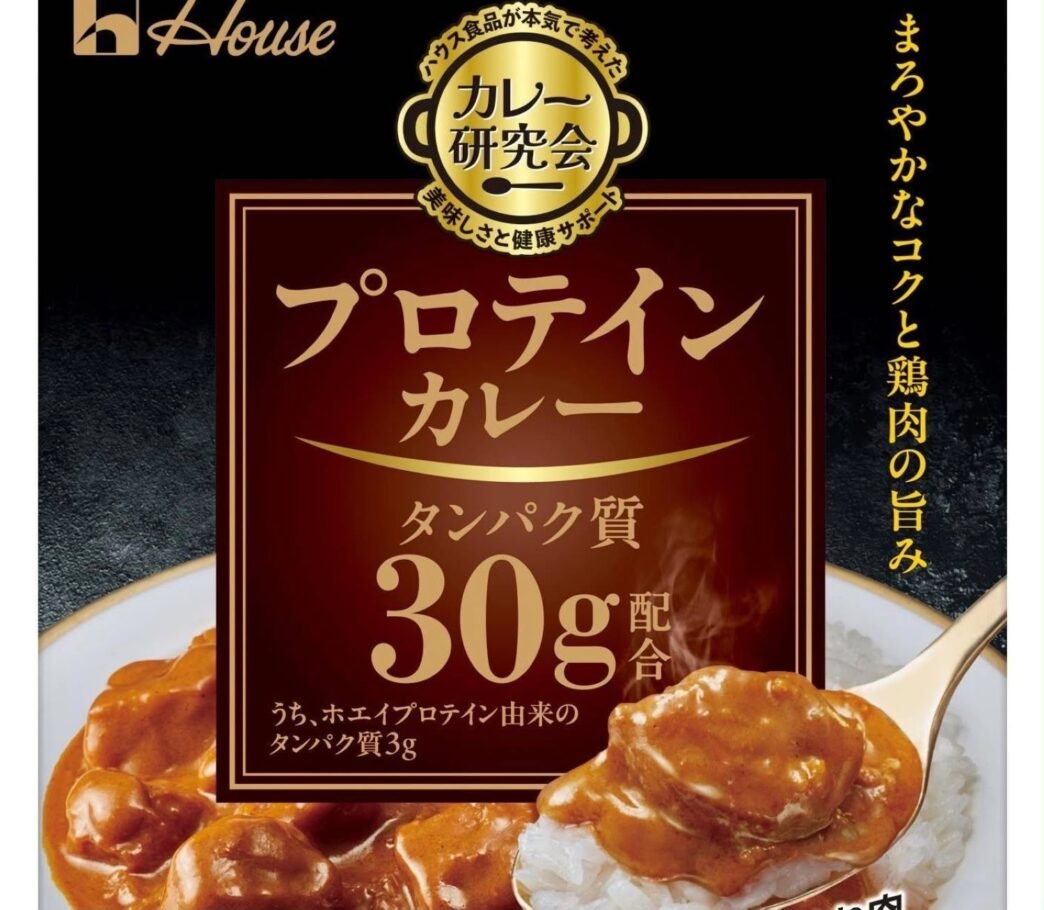
Japan’s food industry is seeing a growing interest in convenient protein-rich products, as consumers look for easier ways to add more protein to their everyday diets.
From curry and coffee to snacks and other ready-to-eat products, protein is increasingly being incorporated into familiar foods rather than being limited to traditional sports nutrition products.
 WhatsApp Image 2024 07 01 at 13.58.28 4cfca4e0
Protein products were once strongly associated with athletes, bodybuilders and fitness enthusiasts.
That image is changing in Japan.
Food manufacturers and retailers are increasingly incorporating protein into products designed for ordinary consumers, making it possible to consume more protein without having to prepare a separate meal or rely exclusively on protein shakes.
The trend reflects a wider shift toward convenience, nutrition and health-conscious eating.
One of the most notable aspects of the trend is the variety of products entering the market.
Protein can now be found in foods and beverages that consumers already regularly enjoy.
Curry, for example, can be developed with additional protein-rich ingredients, while coffee and other beveragescan be positioned as convenient ways to add protein during a busy day.
This approach makes nutritional products less intimidating and easier to incorporate into everyday routines.
Japan has a highly developed convenience-food culture, with consumers accustomed to purchasing ready-to-eat meals, snacks and drinks from supermarkets and convenience stores.
Protein products fit naturally into this environment.
Instead of preparing a dedicated high-protein meal, consumers can choose a product that combines convenience with nutritional benefits.
This is particularly attractive to people with busy work schedules who want quick food options without completely sacrificing their nutritional goals.
A Broader Health and Wellness Trend
The growing popularity of protein products is part of a broader interest in health, fitness and balanced nutrition.
Consumers are becoming more conscious of what they eat, while food companies are responding by adding functional nutritional elements to familiar products.
Protein is particularly attractive because it is associated with muscle maintenance, satiety and overall nutritional balance.
One reason the trend could have staying power is that manufacturers are not asking consumers to completely change their eating habits.
Instead, protein is being incorporated into foods people already know.
That could make nutritional products more accessible to a much wider audience including office workers, older consumers, busy families and people who simply want to improve their everyday diet.
Japan’s food industry has a long history of developing products around changing consumer lifestyles.
The rise of convenient protein foods represents another example of manufacturers adapting traditional categories to meet modern demands.
Rather than creating an entirely new eating culture, companies are finding ways to add nutritional value to existing food and beverage categories.
1. Health Meets Convenience
Consumers can obtain additional protein without spending significant time preparing specialised meals.
2. Protein Goes Mainstream
Protein is moving beyond sports nutrition and becoming part of everyday food products.
3. New Opportunities for Food Companies
The trend creates opportunities to develop protein-rich versions of popular Japanese foods and beverages.
4. Changing Consumer Habits
The popularity of these products reflects growing interest in nutrition, wellness and convenient eating.
From protein-enhanced curry to protein coffee, Japan’s latest food trend shows how nutrition is being integrated into everyday convenience products.
As consumers look for food that fits increasingly busy lifestyles while supporting healthier eating habits, protein is becoming less of a specialist fitness ingredient and more of an everyday food component.
The trend could reshape how Japanese food companies develop their next generation of convenient meals, snacks and beverages.