
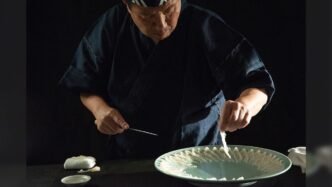
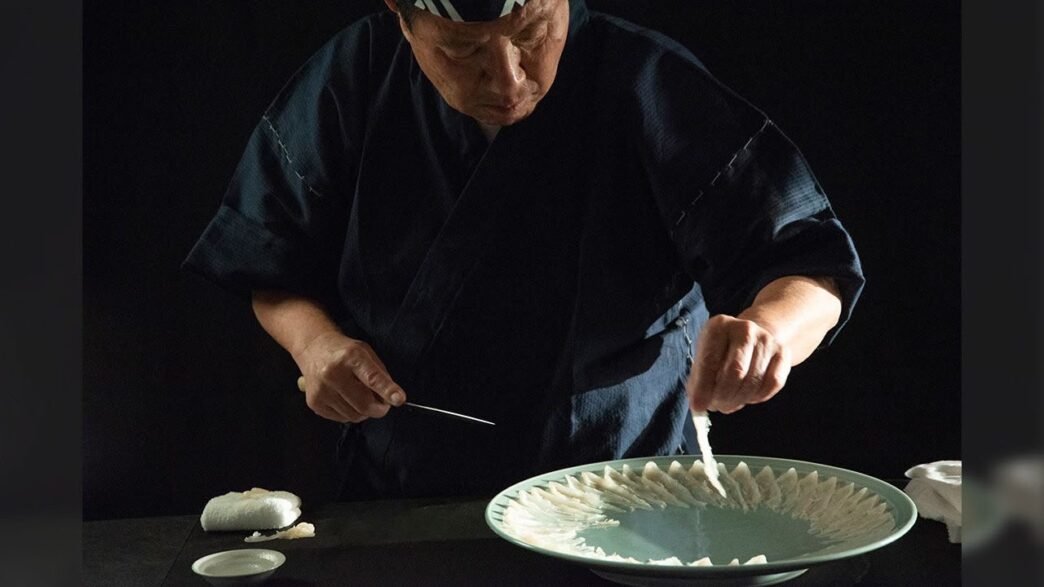
Japan’s famously dangerous fugu has become the subject of a new documentary that explores the history, science, craftsmanship and controversy surrounding the poisonous delicacy.
Titled “GUN FISH: The World of Fugu You Don’t Know,”the 110-minute documentary was released in Japanese cinemas on September 4, 2026. Directed by Wataru Uno, the film takes viewers behind the scenes of a food culture built around a fish that can be deadly if handled incorrectly.
 WhatsApp Image 2024 07 01 at 13.58.28 4cfca4e0
Why Is Fugu Called “Gun Fish”?
Fugu contains tetrodotoxin, a powerful poison that can cause death. Its dangerous reputation is reflected in the Japanese nickname teppō, meaning “gun,” referring to the potentially lethal consequences of eating improperly prepared fish.
Despite the risk, Japan has developed highly regulated techniques for preparing fugu safely, turning the fish into one of the country’s most distinctive culinary traditions.
A Young Chef at the Centre of the Story
One of the documentary’s main storylines follows Yukari Nameki, a young chef who was preparing for Tokyo’s demanding fugu cooking examination.
The film follows her training and development as she learns to identify different species, understand which parts are edible and safely process the fish.
Director Uno began filming her in 2017 and continued documenting the wider fugu world for years. The production ultimately took about a decade, including the disruption caused by the COVID-19 pandemic.
Fugu toxicity is not simply a matter of removing one poisonous part.
There are around 70 species of fugu found in Japanese waters, and the edible portions differ depending on the species. The liver and ovaries are generally associated with particularly high levels of toxin, while regulations strictly control the preparation and sale of fugu.
This makes specialist training essential. Fugu preparation requires knowledge of species identification and the safe separation of edible and potentially poisonous parts.
Could Poisonous Fugu Liver Ever Be Safe?
One of the documentary’s most intriguing questions concerns fugu liver.
The liver has traditionally been considered too dangerous to serve, but research has shown that farm-raised fugu can be produced without developing the same toxicity when raised under controlled conditions.
That discovery triggered debate over whether nonpoisonous farmed fugu liver could eventually be served legally. Supporters see an opportunity to expand the cuisine, while opponents argue that allowing fugu liver could undermine consumer confidence and create unacceptable risks.
Shimonoseki’s Deep Fugu Connection
The documentary also explores Shimonoseki in Yamaguchi Prefecture, one of Japan’s best-known fugu centres.
The city became particularly important after the historical lifting of restrictions on serving fugu there. Its fishing grounds and established culinary expertise helped create a thriving fugu industry, while the Haedomari fugu market became another important part of the region’s food culture.
“GUN FISH” goes beyond explaining how fugu is prepared.
The film features chefs, researchers, fishermen, distributors and fugu enthusiasts, presenting different perspectives on the future of the cuisine. Rather than simply portraying fugu as either dangerous or luxurious, it examines why people have devoted their careers to understanding and preserving it.
Actor Takumi Saitoh provides the narration for the documentary.
1. A Unique Japanese Food Tradition
Fugu represents a culinary culture in which specialised knowledge and strict preparation techniques are central to the dining experience.
2. Food Meets Science
The documentary explores how modern research into fugu toxicity is challenging traditional assumptions.
3. A Human Story
The film’s focus on chefs and other professionals shows the dedication behind one of Japan’s most unusual foods.
4. A Debate About Tradition and Innovation
The question of whether safer farmed fugu could expand what is legally served highlights the tension between preserving tradition and embracing scientific advances.
Fugu is famous around the world for its danger, but “GUN FISH” reveals that there is much more to the fish than its poisonous reputation.
Through chefs, scientists, fishermen and food specialists, the documentary explores how Japan transformed a potentially deadly fish into a highly regulated culinary tradition and asks what the future of that tradition could look like.