
A New Home Designed Around Elephant Behaviour
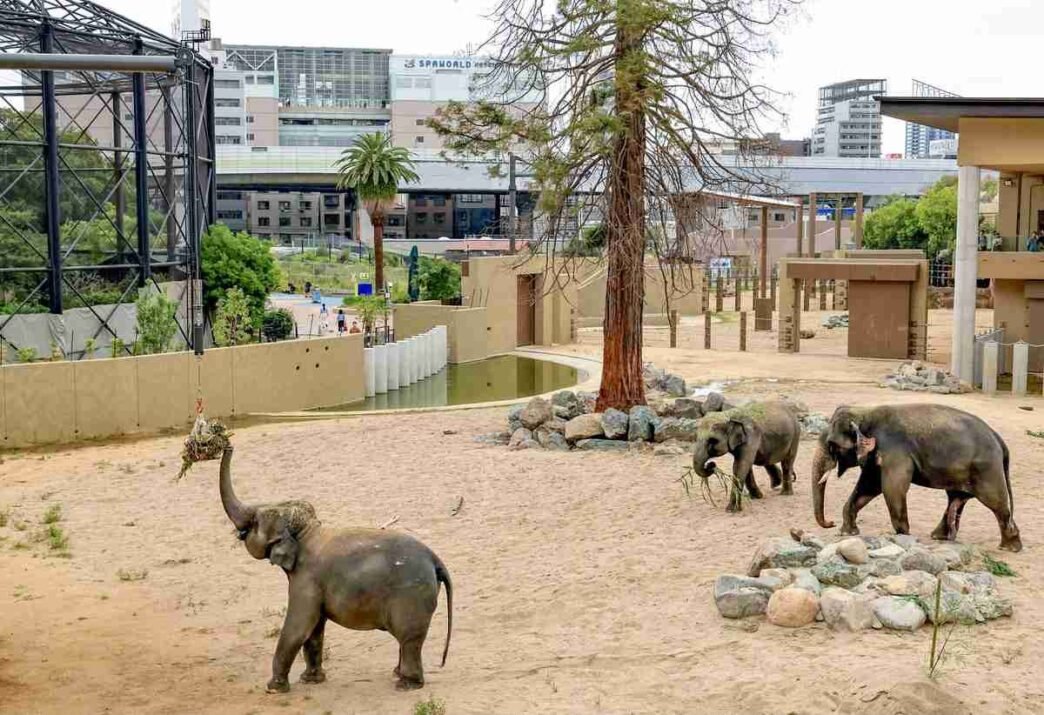
Osaka’s Tennoji Zoo has developed a redesigned elephant habitat intended to encourage Asian elephants to display more natural behaviours. Known as Elephant Village, the facility combines renovated indoor accommodation, new infrastructure and an expanded outdoor area.
 WhatsApp Image 2024 07 01 at 13.58.28 4cfca4e0
The habitat officially opened to visitors in April 2026. Its design incorporates soil, sand and water, with enrichment features intended to encourage activities such as exploring, moving around and interacting with the environment.
Three Elephants Arrive from Malaysia
The new facility welcomed three Asian elephants from Malaysia: Kelat, a 20-year-old male, and Dara and Amoi, female elephants aged 14 and nine, respectively, according to reports published in 2026.
The elephants arrived in Japan on March 11 and were introduced to the public on April 21. Their transfer forms part of a long-term cooperation programme between Taiping Zoo and Night Safari in Malaysia and Tennoji Zoo, focusing on conservation, breeding, research and the exchange of animal-care expertise.
Creating an Environment That Encourages Natural Activity
Elephant Village was designed to offer a more varied environment than a conventional enclosure. Soft ground, sandy areas, pools and other features provide opportunities for movement and exploration, while multiple viewing points allow visitors to observe the animals from different locations.
Tennoji Zoo says its habitat-based exhibition approach aims to recreate aspects of animals’ natural environments and help visitors understand their behaviour and ecology. Asian elephants are social animals whose needs include opportunities for movement, environmental stimulation and appropriate social interaction.
Animal Welfare Questions Remain
The new habitat has also attracted scrutiny from animal welfare advocates, who have questioned whether the space available to the elephants is sufficient to meet their needs.
An assessment cited by Malaysian media estimated that the accessible enclosure area was approximately 1,612 square metres, significantly smaller than the overall facility area described publicly. Advocates have also raised concerns about the elephants’ behaviour and the limited availability of shade in some parts of the enclosure.
In response to public criticism, the Taiping Municipal Council rejected allegations that the elephants were being mistreated. In an October 23, 2026 report, it said the animals were healthy and adjusting to their environment, while noting that behaviours such as head swaying should not automatically be interpreted as signs of distress. The zoo’s care and enrichment practices remain part of the wider discussion about elephant welfare in captivity.
Conservation Through International Cooperation
The partnership between the Malaysian and Japanese zoos illustrates how international cooperation can support animal management, research and public education. Asian elephants face threats in the wild, including habitat loss, poaching and conflict with human activities.
However, conservation programmes involving captive animals also require continued attention to living conditions, veterinary care, social needs and opportunities for natural behaviour. Transparent monitoring and independent welfare assessments can help establish how effectively a habitat meets those needs.
Final Word
Tennoji Zoo’s Elephant Village represents an effort to create a more naturalistic setting for Asian elephants through varied ground surfaces, water and environmental enrichment. At the same time, ongoing questions about enclosure space and animal welfare highlight the importance of evaluating such facilities not only by their design, but also by how the animals use them and how well their long-term needs are met.