Film Project Connects Japan and Kazakhstan Through Shared History
A new film collaboration between Japan and Kazakhstan is bringing attention to the devastating human consequences of nuclear weapons.
 Asahi Travel Service Pvt Ltd
The project, being filmed in Hiroshima, aims to share memories of the suffering caused by the atomic bombing and ensure that the experiences of affected communities are not forgotten.
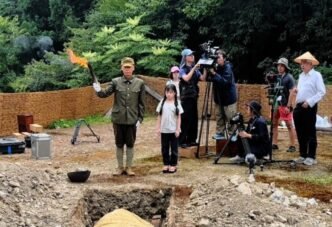
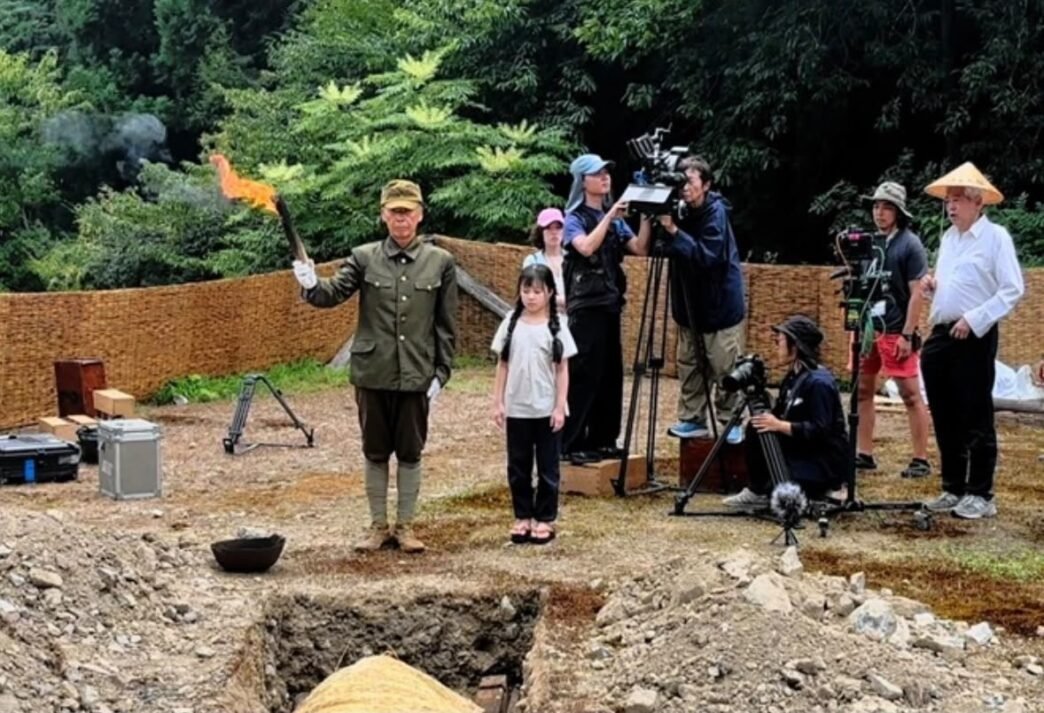
Japanese film director Shinju Sano is leading the production, working alongside a Kazakh crew. The collaboration reflects how cinema can connect people across borders while preserving important historical memories.
Hiroshima Provides the Setting for the Production
Filming is taking place in a mountainous area of Hiroshima’s Saeki Ward. The production brings together Japanese and Kazakh team members, with the crew also using Russian-language expressions during filming.
Hiroshima holds deep historical significance as the city where the United States dropped an atomic bomb on August 6, 1945. The bombing caused widespread destruction and claimed countless lives, while survivors continued to experience its physical and emotional consequences for decades.
The film seeks to bring attention to these experiences through storytelling and international collaboration.
Shared Nuclear Memories Connect Japan and Kazakhstan
Japan and Kazakhstan have different but significant histories of nuclear suffering.
While Hiroshima and Nagasaki experienced atomic bombings during World War II, Kazakhstan faced the consequences of repeated Soviet nuclear tests at the Semipalatinsk test site.
More than 450 nuclear tests were conducted there between 1949 and 1989, exposing nearby communities to radiation and leaving long-term consequences.
These shared experiences have helped strengthen cooperation between the two countries on nuclear disarmament, peace education and awareness of the humanitarian impact of nuclear weapons.
Cinema as a Tool for Peace and Historical Awareness
Films based on historical experiences play an important role in preserving memories for younger generations. They allow audiences to understand the human impact of major historical events beyond dates and statistics.
The Japanese-Kazakh collaboration also highlights the importance of cultural exchange in addressing global issues. By bringing together filmmakers from both countries, the project aims to create a platform for dialogue about the consequences of nuclear weapons.
The Japanese-Kazakh film project represents an important effort to preserve memories of nuclear suffering through cinema. By connecting the experiences of Hiroshima and Kazakhstan, the collaboration highlights the importance of remembering history, promoting peace and building awareness for a future free from nuclear threats.