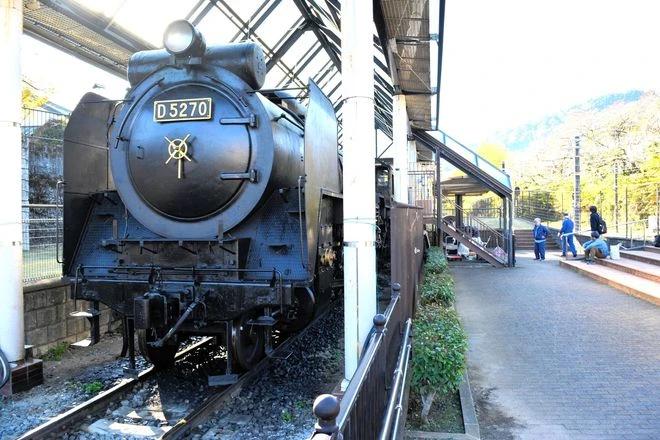
Steam engines once powered the industrial world, driving trains, ships, and factories into a new era of progress. Though largely replaced by diesel and electric technologies, these iconic machines may not be relics forever. Thanks to advances in compressed-air technology, engineers and researchers are now exploring ways to revive steam engines in a cleaner, more efficient form.
Rethinking a Classic Technology
Traditional steam engines relied on burning coal or wood to generate heat an approach that is no longer viable in an age focused on sustainability. Compressed-air systems, however, offer a fresh alternative. By storing energy in the form of high-pressure air and releasing it in a controlled manner, these systems can recreate the mechanical motion once driven by steam, without direct combustion.


This hybrid approach blends old engineering principles with modern clean-tech solutions, opening the door to lower emissions and reduced environmental impact.
Why Compressed Air Matters
Compressed air is gaining attention because it can be produced using renewable energy sources such as wind or solar power. Excess energy generated during off-peak hours can be stored as compressed air and later used to power mechanical systems. When applied to steam-engine-style mechanisms, this method offers a way to generate motion and torque efficiently, while avoiding fossil fuels.
For heritage railways and industrial museums, the technology could be transformative. Restored steam locomotives could operate without smoke, soot, or heavy fuel consumption preserving historical authenticity while meeting modern environmental standards.
Beyond Nostalgia
The implications go beyond preservation. Engineers believe that compressed-air-driven systems inspired by steam engines could find new roles in niche transport, industrial machinery, and educational demonstrations. These systems are mechanically simple, durable, and easier to maintain than many high-tech alternatives.
Moreover, reviving steam-engine designs with modern energy storage could inspire a new generation of engineers by showcasing how historical innovations can be adapted for future needs.
The Road Ahead
Challenges remain, particularly in improving energy efficiency and storage capacity. Yet early trials and prototypes suggest that the concept is more than just romantic nostalgia. It represents a thoughtful fusion of past and present where classic engineering meets contemporary sustainability goals.
If compressed-air technology continues to advance, the steam engine may once again find its place in motion not as a symbol of pollution, but as an example of how innovation can reinvent history for a cleaner future.
Originally written by: By AYATERU HOSOZAWA/ Staff Writer
Link to the article: https://www.asahi.com/ajw/articles/16239600