Originally written by: Japan House
Link to the article:https://www.japanhousela.com/articles/more-than-mail-culture-history-japanese-postal-system-post-office-box-service-symbol-logo/


When people think of Japan, images of bullet trains, advanced technology, and deep-rooted traditions often come to mind. Yet one of the country’s most quietly remarkable institutions is its postal system, an everyday service that reflects Japan’s values of trust, precision, and community. Far more than a means of delivering letters, the Japanese postal system has played a crucial role in shaping social connections, economic growth, and cultural continuity for over a century.
Origins: Building Connections in a Modernizing Nation
Japan’s modern postal system was established in 1871, during the Meiji Restoration a period when the country was rapidly opening up to the world and modernizing its institutions. Inspired by Western postal models, particularly that of the United Kingdom, the government introduced a nationwide service to improve communication across regions.
At a time when Japan was transitioning from feudal isolation to a centralized state, the postal system became a symbol of unity. Letters, official notices, and newspapers could now travel reliably across the country, helping citizens feel connected to a shared national identity.
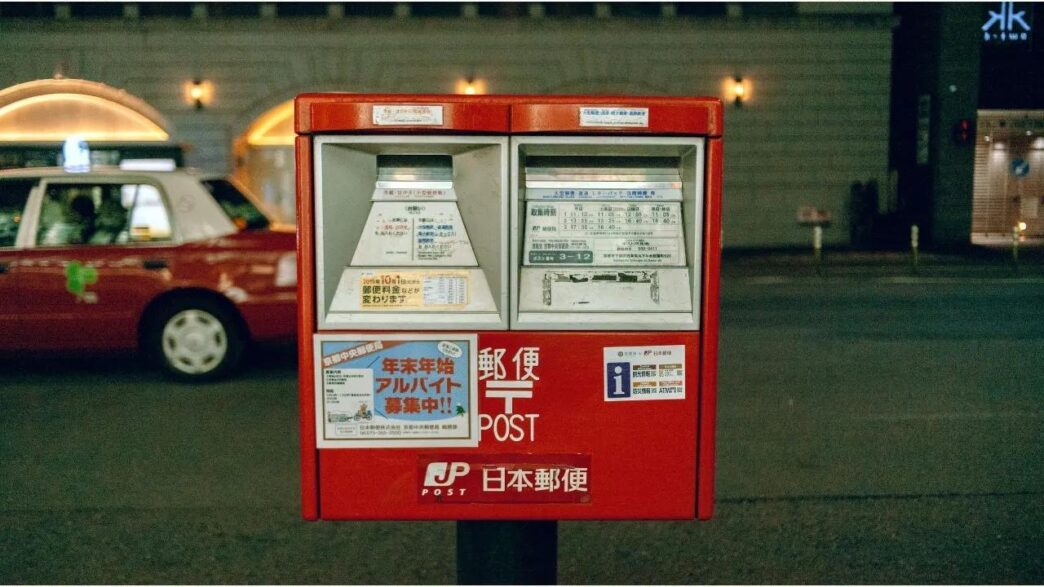
One of the most striking aspects of Japan’s postal culture is the high level of public trust it enjoys. Mailboxes are often placed openly on streets, and lost items letters included are frequently returned intact. This trust is not accidental; it is built on decades of reliability and strict adherence to duty by postal workers.
In Japan, delivering mail is seen not just as a job, but as a public responsibility. Postal workers are respected figures in their communities, often knowing residents by name, especially in rural areas where they may be one of the few regular visitors.
More Than Letters: A Multifunctional Institution
Japan Post is unique in that it extends far beyond mail delivery. Over time, it evolved into a multifunctional service offering:
● Postal savings accounts, which became a cornerstone of household financial security
● Postal insurance, providing accessible coverage nationwide
● Banking services, especially vital in rural and aging communities
For many decades, Japan’s postal savings system was one of the largest in the world, channeling small individual savings into national infrastructure and development projects. This made the postal system not just a communication network, but an economic backbone.
Cultural Touchstones: Stamps, New Year Cards, and Tradition
The Japanese postal system is deeply woven into cultural life. One beloved tradition is the sending of New Year’s cards (nengajō). Each year, billions of cards are delivered across the country, all timed to arrive precisely on January 1. This massive logistical effort highlights the system’s precision and the cultural importance of maintaining personal connections.
Japanese postage stamps are also cultural artifacts. Often beautifully designed, they feature seasonal themes, historical figures, festivals, and natural landscapes. Collecting stamps is a popular hobby and a way of preserving visual snapshots of Japan’s heritage.
Like postal services worldwide, Japan Post faces challenges from digital communication and declining letter volumes. However, it has adapted by expanding parcel delivery for e-commerce, modernizing logistics, and integrating digital services while maintaining its traditional strengths.
Even as emails and messaging apps dominate daily communication, the Japanese postal system continues to emphasize care, accuracy, and human connection qualities that technology alone cannot replace.
A Reflection of Japanese Society
Ultimately, the history of Japan’s postal system mirrors the story of the nation itself: a balance between modernization and tradition, efficiency and humanity. It represents a culture where even routine services are carried out with sincerity and respect.
In Japan, mail is not just something that arrives at your door. It is a quiet promise kept day after day connecting people, preserving customs, and reinforcing the trust that holds society together.