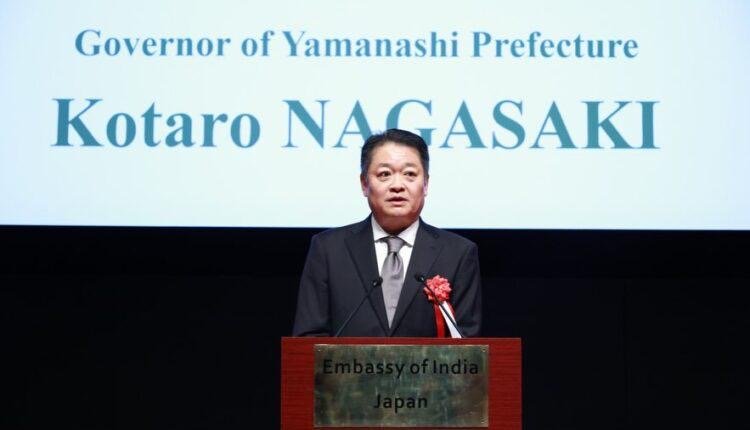
Original news source:https://www.asiancommunitynews.com/think-beyond-tokyo-india-japan-turn-to-regional-powerhouses-to-drive-next-phase-of-economic-ties/
Written by: Sanjeev K Ahuja


For decades, economic engagement between India and Japan has largely revolved around major metropolitan hubs like Tokyo and New Delhi. But as bilateral relations mature and diversify, both nations are now shifting their focus beyond capital cities unlocking the untapped potential of regional powerhouses to drive the next phase of economic growth.
This strategic pivot reflects a deeper understanding: the future of India-Japan collaboration lies not just in policy corridors, but in industrial clusters, emerging cities, and regional innovation hubs.
In Japan, cities such as Osaka, Nagoya, and Fukuoka are gaining attention for their strong industrial bases, startup ecosystems, and logistics advantages. These regions are home to advanced manufacturing, robotics, and automotive industries areas where India seeks collaboration and technology transfer.
On the Indian side, cities like Ahmedabad, Chennai, Bengaluru, and Pune are emerging as key destinations for Japanese investment. These cities offer a mix of skilled talent, industrial infrastructure, and policy incentives, making them ideal for long-term partnerships.
Strengthening Industrial and Supply Chain Ties
The shift toward regional collaboration is particularly important in strengthening supply chains. As global businesses aim to diversify manufacturing bases, India presents a compelling alternative. Japanese companies are increasingly setting up operations in India’s industrial corridors, including the Delhi-Mumbai Industrial Corridor (DMIC) and Chennai-Bengaluru Industrial Corridor.
These projects are not only enhancing connectivity but also fostering smart cities, logistics parks, and manufacturing zones that align with Japan’s expertise in infrastructure development.
A Boost for Startups and Innovation
Beyond traditional industries, regional hubs are becoming centers of innovation. Cities like Bengaluru and Fukuoka are witnessing increased collaboration in startups, fintech, and digital transformation. Japanese investors are actively exploring India’s vibrant startup ecosystem, while Indian entrepreneurs are looking to Japan for market expansion and technological collaboration.
This two-way exchange is helping create a more balanced and dynamic partnership one that goes beyond trade and investment to include knowledge sharing and co-innovation.
Cultural and Educational Linkages
Regional engagement is also strengthening cultural and educational ties. Student exchange programs, skill development initiatives, and language training centers are expanding beyond capital cities, making cross-cultural opportunities more accessible.
Organizations such as the Japan External Trade Organization and various Indo-Japan business councils are playing a key role in facilitating these connections at the regional level.
By moving beyond Tokyo and New Delhi, India and Japan are building a more inclusive and resilient economic partnership. Regional cities bring diversity in resources, industries, and talent allowing both countries to tap into a broader spectrum of opportunities.
This decentralized approach also ensures that the benefits of bilateral cooperation are more widely distributed, contributing to balanced regional development in both nations.
As India and Japan continue to deepen their strategic partnership, the emphasis on regional powerhouses signals a new chapter in bilateral ties. It reflects a shift from centralized engagement to a more networked model of collaboration one that is better suited to the complexities of today’s global economy.
By embracing the strengths of cities beyond Tokyo and New Delhi, both nations are not just expanding their economic horizons they are redefining the very foundation of their partnership for the future.