Original news source: https://timesofindia.indiatimes.com/life-style/travel/things-to-do/what-do-vegetarians-eat-in-japan-indian-teacher-shares-interesting-details-about-life-in-japan/articleshow/129591040.cms
Living in a new country often brings exciting cultural experiences, but it can also come with unique challenges especially when it comes to food. An Indian teacher currently living in Japan recently shared interesting insights about how vegetarians manage their meals while adapting to life in the country.

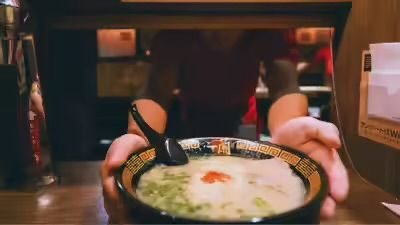
For many Indians, vegetarian food is an essential part of daily life. However, in Japan, traditional cuisine often includes fish-based ingredients such as dashi (fish broth), making it initially difficult for strict vegetarians to find suitable options. Despite this challenge, the teacher explained that with a little awareness and exploration, vegetarian living in Japan is very much possible.
According to the teacher, many Japanese dishes naturally include vegetables, rice, and tofu, which makes them suitable for vegetarian diets when prepared without fish stock. Foods such as vegetable tempura, plain rice dishes, tofu-based meals, and certain noodle dishes can be enjoyed by vegetarians with minor adjustments.
Convenience stores and supermarkets in Japan also offer fresh fruits, salads, and packaged vegetarian-friendly options. Over time, more restaurants in cities like Tokyo and Osaka have begun offering vegetarian and vegan menus to cater to international residents and tourists.
The teacher also highlighted the importance of learning a few Japanese phrases to explain dietary preferences. For example, asking whether a dish contains fish broth can help avoid accidental consumption of non-vegetarian ingredients.
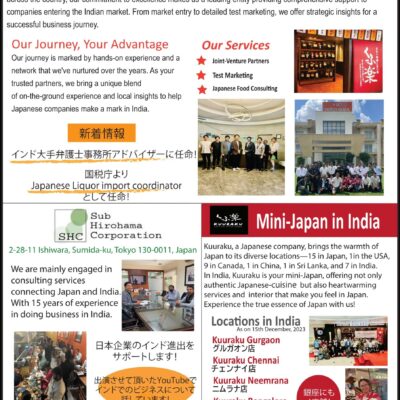
Another helpful tip shared was cooking at home. Many Indian residents in Japan prepare their own meals using locally available vegetables along with spices brought from India. Indian grocery stores and online platforms also make it easier to find familiar ingredients.
Beyond food, the teacher described life in Japan as organized, safe, and culturally enriching. While adapting to dietary differences may take some effort at first, the experience of living in Japan offers valuable cultural learning and personal growth.
The teacher’s experience reflects how people from different cultures continue to adapt and thrive in Japan, showing that with curiosity and flexibility, even dietary challenges can turn into opportunities to explore new cuisines and lifestyles.