Link to the original article: https://www.facebook.com/share/p/1JABPAWU7U/?mibextid=wwXIfr
In a significant move to strengthen national safety, the government of Japan has approved a comprehensive policy aimed at ensuring emergency shelter access for its entire population by fiscal 2030.


The decision, finalized by the Cabinet on March 31, marks the first nationwide framework focused on civilian protection in the event of armed attacks and large-scale emergencies.
A First-of-Its-Kind National Framework
This new policy represents a major shift in how Japan prepares for crisis situations. Rather than building shelters from scratch, the government plans to maximize the use of existing infrastructure, particularly private underground spaces.
Key facilities identified for conversion into emergency shelters include:
● Subway stations
● Building basements
● Underground parking lots
By leveraging these structures, authorities aim to quickly create a widespread and accessible shelter network across municipalities.
A central feature of the policy is collaboration with the private sector. The government will work closely with businesses and property owners to upgrade and designate suitable underground spaces as shelters.
This approach is expected to:
● Ensure sufficient shelter capacity at the municipal level
● Reduce construction costs and time
● Improve accessibility in densely populated urban areas
Local governments will play a critical role in coordinating these efforts and ensuring readiness.
Essential Supplies and Short-Term Living Support
Beyond physical space, the policy also focuses on improving living conditions during emergencies.
Planned provisions include:
● Stockpiling emergency supplies
● Installing portable toilets
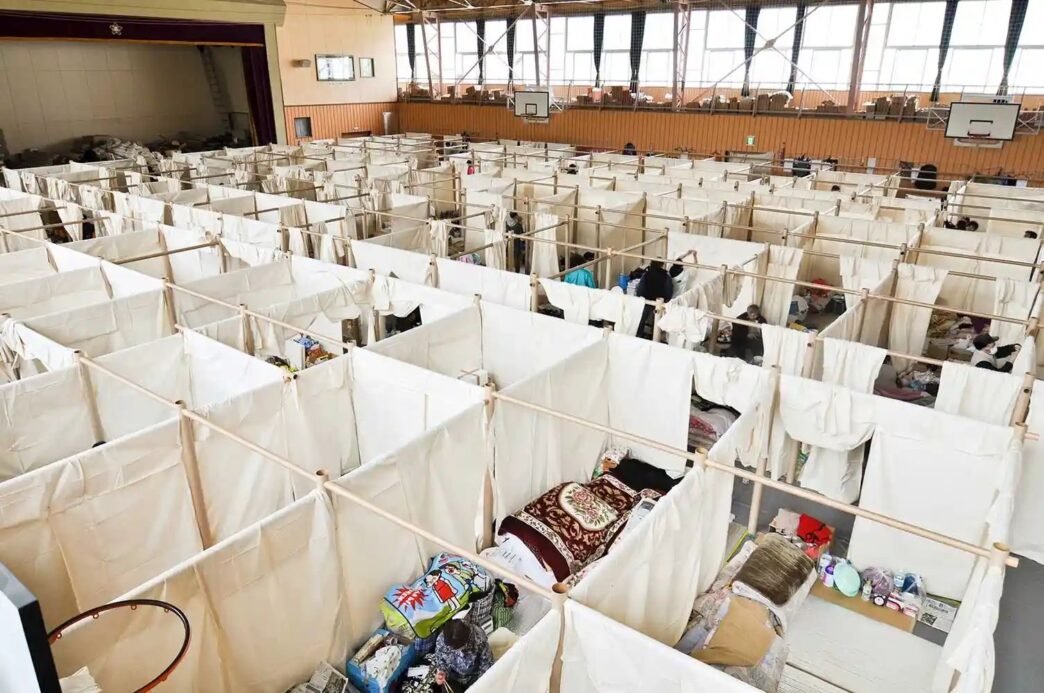
● Arranging temporary beds and basic necessities
These measures are designed to support short-term evacuations and ensure basic dignity and comfort for those affected.
Dual Use for Natural Disasters
While the policy is partly driven by rising regional security concerns, it also serves a broader purpose.
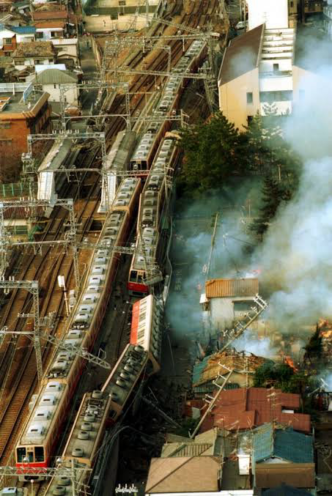
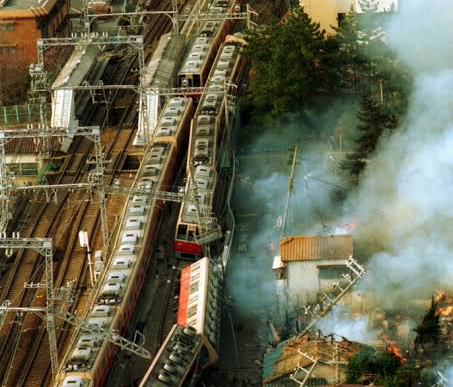
The shelters will double as temporary refuges for people stranded during natural disasters such as earthquakes, typhoons, or transportation disruptions, especially those unable to return home.
This dual-use strategy enhances Japan’s overall disaster preparedness, a critical priority given the country’s vulnerability to natural hazards.
Responding to a Changing Security Landscape
The initiative reflects growing awareness within Japan about the need for stronger civilian protection systems amid evolving regional dynamics.
By focusing on practical, scalable solutions and existing infrastructure, the government aims to build a resilient safety network capable of responding to both man-made and natural emergencies.
With a target set for fiscal 2030, the success of the plan will depend on effective coordination between national authorities, local governments, and private stakeholders.
As implementation begins, Japan is positioning itself as a model for integrating urban infrastructure into modern emergency preparedness strategies for both efficiency and public safety.