Originally written by:FRANCIS TANG
Link to the article:https://www.japantimes.co.jp/business/2026/03/16/economy/oil-release-japan/


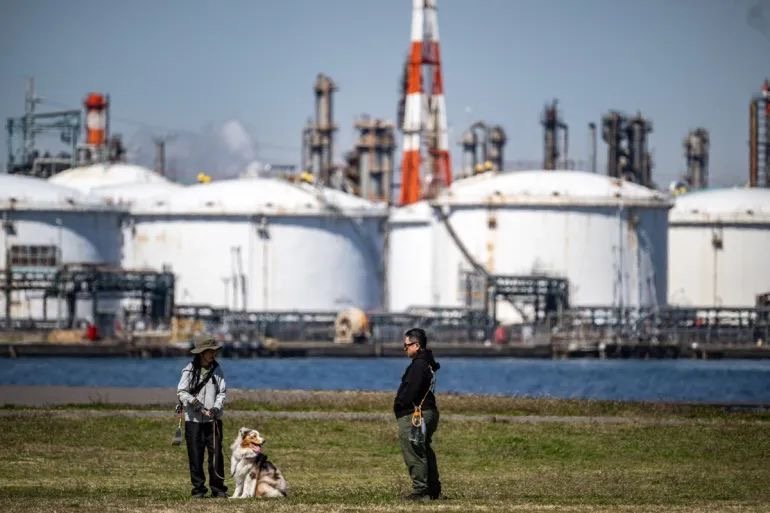
In a decisive response to escalating global energy disruptions, Japan has begun releasing oil from its strategic reserves in what is being described as the largest such move in the country’s history.
The decision comes amid a severe global supply shock triggered by geopolitical tensions in the Middle East, particularly disruptions around the Strait of Hormuz a critical artery for global oil shipments.
A Historic Energy Intervention
Japan has committed to releasing approximately 80 million barrels of oil, equivalent to about 45 days of domestic supply, as part of a coordinated global effort led by the International Energy Agency.
This marks Japan’s largest-ever drawdown from its strategic petroleum reserves, underscoring the severity of the current energy crisis. The move is also part of a broader record-breaking global release of 400 million barrels, the largest in history among IEA member nations.
Why Japan Is Releasing Oil Now
The primary trigger behind this unprecedented move is the disruption of oil flows from the Middle East due to ongoing conflict involving Iran. The situation has:
● Blocked or restricted access through the Strait of Hormuz
● Threatened nearly 20% of global oil supply routes
● Pushed oil prices to multi-year highs before partial stabilization
Japan is particularly vulnerable because it imports over 90% of its energy, with a significant portion routed through this region.
The Japanese government has adopted a phased approach:
● Release of private-sector reserves (around 15 days’ supply)
● Followed by government-held reserves (around 30 days’ supply)
Domestic refiners have been instructed to utilize these reserves immediately to stabilize supply and prevent shortages.
A Global Effort to Stabilize Markets
Japan’s move is part of a synchronized intervention involving 32 countries under the IEA framework. The goal is to:
● Cool rising oil prices
● Ensure continued supply to major importing regions, especially Asia
● Prevent economic fallout such as inflation and supply chain disruptions
The United States is contributing the largest share, while other nations across Europe and Asia are also releasing reserves.
Temporary Relief, Not a Long-Term Fix
Despite its scale, experts caution that the release is only a short-term solution.
Analysts estimate the global reserve injection may cover just a few weeks of disrupted supply, and logistical delays mean it could take time for oil to reach key markets like Asia.
The long-term stability of global energy markets still depends on:
● Reopening critical shipping routes
● De-escalation of geopolitical tensions
● Diversification of energy sources
Strategic Importance for Japan
Japan holds one of the world’s largest strategic oil reserves, designed precisely for crises like this. These reserves act as a buffer to:
● Protect the economy from sudden supply shocks
● Maintain industrial and transportation continuity
● Support global energy stability when needed
The current release highlights Japan’s role not just as an energy importer, but as a key stabilizing force in global markets.
As oil continues to flow from emergency stockpiles, markets have shown signs of temporary stabilization. However, uncertainty remains high.
Japan’s historic release reflects both the urgency of the crisis and the interconnected nature of global energy systems where disruptions in one region can ripple across the world.
For now, the message is clear: strategic reserves are being used as intended but the real solution lies in restoring stability to global supply chains.