In a breakthrough that could reshape the future of hair restoration, a Japan-led team of researchers has identified a specific group of cells that may play a crucial role in hair growth and regeneration. The discovery offers fresh hope for millions of people worldwide experiencing hair thinning and baldness.
Hair loss, medically known as alopecia, affects both men and women and can significantly impact confidence and mental well-being. While treatments such as minoxidil and hair transplant procedures exist, they often provide limited or temporary results. The new findings from Japan suggest that the answer may lie much deeper at the cellular level.


The Science Behind the Discovery
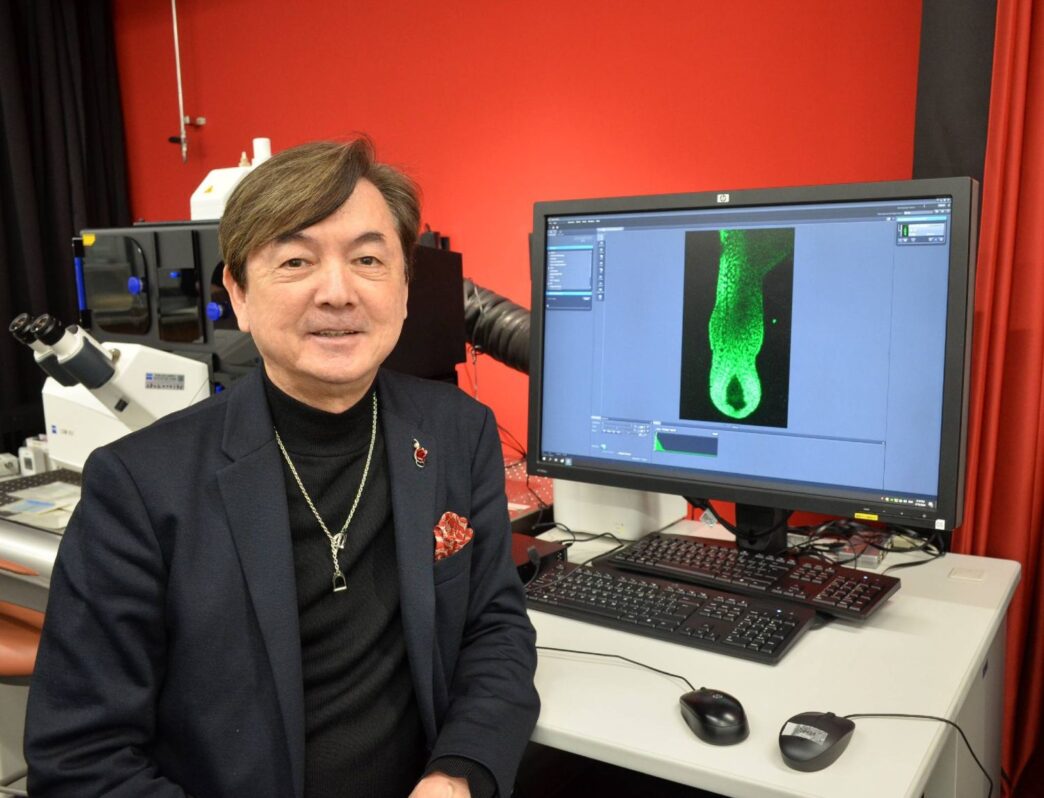
Researchers at University of Tokyo have identified a previously underexplored population of stem-like cells within the hair follicle environment. These cells appear to play a key role in activating dormant hair follicles and stimulating new hair growth.
Hair follicles naturally go through cycles: growth (anagen), regression (catagen), and rest (telogen). In many forms of hair loss, follicles become miniaturized or remain stuck in the resting phase. The Japanese research team discovered that certain signaling pathways between surrounding support cells and follicle stem cells may determine whether hair re-enters the growth phase.
By manipulating these signaling mechanisms in laboratory conditions, scientists were able to reactivate hair growth in preclinical models. Though still in early stages, this suggests that targeted therapies could one day “switch on” inactive follicles without invasive procedures.
Why This Matters
Current hair loss treatments often focus on slowing down shedding rather than reversing it. If this cell-based discovery progresses into clinical applications, it could lead to:
- Non-surgical regenerative therapies
- More effective topical or injectable treatments
- Long-term restoration rather than temporary stimulation
- Personalized treatment plans based on cellular activity
This research aligns with Japan’s strong reputation in regenerative medicine, particularly following advancements inspired by stem cell pioneer Shinya Yamanaka, who revolutionized the field with induced pluripotent stem cells (iPSCs).
Potential Applications in Androgenetic Alopecia
The most common form of hair loss, androgenetic alopecia (pattern baldness), is linked to genetic sensitivity to hormones like dihydrotestosterone (DHT). The new findings suggest that cellular communication breakdown — not just hormonal factors — may be central to the problem.
If therapies can restore healthy signaling between follicle stem cells and their microenvironment, patients may experience renewed growth even in areas previously considered inactive.
What Comes Next?
While the research is promising, experts caution that human clinical trials are still necessary. Safety, long-term effects, and precise delivery methods must be thoroughly evaluated before treatments become commercially available.
However, the discovery marks a significant shift in how scientists view hair loss not simply as a cosmetic issue, but as a regenerative challenge that modern cell biology may finally be equipped to address.
As global demand for effective hair restoration grows, this Japan-led innovation could pave the way for a new generation of science-backed, minimally invasive treatments.
For millions seeking solutions beyond temporary fixes, the future of hair recovery may soon lie in the power of cellular regeneration.
Original source:https://www.japantimes.co.jp/news/2026/02/26/japan/science-health/hair-follicles-cells/
Written by:JESSICA SPEED