Originally written by: ALEX K.T. MARTIN
Link to the article: https://www.japantimes.co.jp/business/2026/02/09/companies/japan-1000-year-old-business/

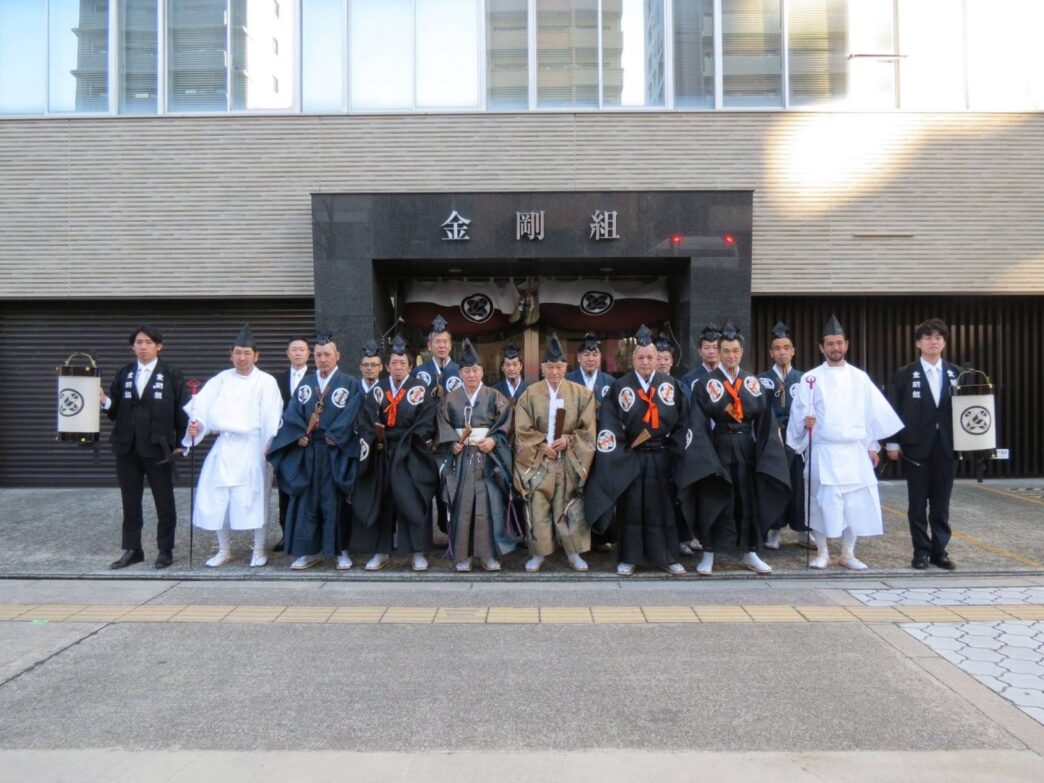
In a world where most businesses struggle to survive a decade, Japan stands apart. It is home to the largest number of centuries-old companies on Earth, some more than 1,000 years old. From traditional inns and sake breweries to construction firms and sweet makers, these businesses have endured wars, natural disasters, economic crashes, and technological revolutions. Their longevity is not accidental. It is rooted in a distinct philosophy of business, culture, and responsibility.
One of the strongest pillars of Japan’s ancient companies is their commitment to purpose over short-term profit. These firms often see themselves as custodians of a craft, a community, or a tradition rather than profit-maximizing machines. The goal is not rapid expansion but steady service to society. Profit is important but only as a means to continue the mission for future generations.
Many of these firms are known as shinise, a term used for long-established businesses. Being a shinies carries social responsibility. Reputation is everything. Trust built over centuries becomes a form of capital more valuable than money. Breaking that trust even once can end a legacy built over generations.
Unlike many Western companies that focus on ownership, Japanese legacy firms focus on succession. Leadership is passed down carefully, not necessarily to blood relatives but to the most capable successor. This system, known as mukoyōshi (adopting an heir), ensures continuity of values, skills, and vision even if it means bringing in talent from outside the family.
Adaptation Without Losing Identity
Japan’s oldest companies adapt constantly but quietly. They embrace new tools, technologies, and processes while protecting their core identity. A centuries-old ryokan may introduce online bookings and modern amenities, but its hospitality philosophy remains unchanged. Evolution happens without erasing tradition.
Short-term gains rarely drive decision-making. Instead, these companies ask a simple question: Will this help the business exist 100 years from now? This long-term mindset influences everything from conservative debt management to sustainable sourcing and employee welfare.
Employees are often treated as extended family. Loyalty is mutual. Many workers stay with the same company for decades, preserving institutional knowledge and craftsmanship that cannot be replicated quickly. Skills are passed down patiently, often through apprenticeship models that value mastery over speed.
These companies are deeply embedded in their local communities. They support festivals, temples, and local employment, and in return, the community supports them. This symbiotic relationship creates resilience during hard times, whether economic downturns or natural disasters.
Underlying all these factors is a broader Japanese cultural value: endurance. The idea of gaman persevering through hardship shapes how these companies respond to crisis. Instead of shutting down at the first sign of trouble, they tighten belts, adjust operations, and wait patiently for recovery.
Japan’s 1,000-year-old companies offer a powerful lesson to modern businesses: longevity comes from humility, responsibility, and consistency. Growth is optional. Trust is not. In an age obsessed with disruption and speed, these firms prove that sometimes the strongest strategy is simply to endure thoughtfully, quietly, and with purpose.
Their survival is not a miracle. It is a mindset passed down, protected, and practiced for centuries.