Japan’s gardens are among the most admired in the world—tranquil spaces where nature, philosophy, and artistry blend seamlessly. From the moss-covered stones of Kyoto’s Zen temples to the meticulously pruned bonsai trees displayed in homes, Japan’s gardening culture reflects centuries of history and deep cultural values. But how did this unique approach to gardening come to be?
Roots in Religion and Philosophy
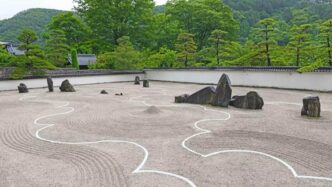
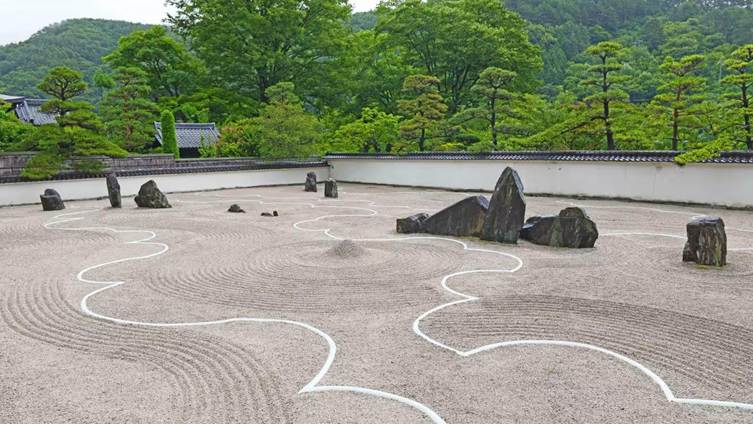
The origins of Japanese gardening are closely tied to Shintoism and Buddhism. In Shinto, nature is considered sacred, and early shrine gardens were designed as places to honor the spirits, or kami. With the arrival of Buddhism from China and Korea in the 6th century, new ideas of harmony, balance, and meditation were introduced. Zen Buddhism, in particular, gave rise to the dry rock gardens (karesansui), where carefully placed stones and raked gravel symbolize mountains, rivers, and the flow of life.


Chinese Influence and Japanese Adaptation
In the early centuries, Japan was heavily influenced by Chinese landscape design. Aristocrats of the Heian period (794–1185) created grand gardens with ponds, bridges, and imported plants. Yet, over time, the Japanese simplified these designs, favoring subtle beauty and symbolic expression over extravagance. Instead of replicating nature on a grand scale, Japanese gardeners sought to capture its essence in a smaller, more contemplative form.
The Aesthetic of
Wabi-Sabi
A defining feature of Japanese gardens is the concept of wabi-sabi—the appreciation of imperfection and impermanence. Moss on a stone, the changing colors of autumn leaves, or a weathered wooden gate are not flaws but expressions of beauty. This philosophy shifted gardening from an act of display to a form of spiritual reflection.
Gardening as an Art Form
By the Edo period (1603–1868), gardening became a refined art practiced by samurai, merchants, and scholars alike. The rise of chaniwa (tea gardens) reflected the popularity of the tea ceremony, where pathways, stone lanterns, and water basins were carefully arranged to prepare guests for moments of mindfulness. At the same time, bonsai and ikebana (flower arranging) turned gardening into portable, personal expressions of artistry.
A Living Tradition
Today, Japan’s gardens remain both cultural treasures and everyday practices. Famous sites like Kenroku-en in Kanazawa or Ritsurin Garden in Takamatsu attract visitors worldwide, while small courtyard gardens and balcony bonsai continue the tradition in urban homes. What makes Japanese gardening unique is not just its visual appeal but its philosophy: gardens are not static displays but living, evolving spaces meant to inspire peace and reflection.
Conclusion
Japan’s gardening culture grew out of a fusion of religion, philosophy, and artistry, shaped by foreign influence yet refined into something distinctly Japanese. It continues to thrive today as a reminder that even in the busiest of cities, nature and human spirit can exist in harmony.
Source:https://asia.nikkei.com/life-arts/books/books-how-japan-got-its-unique-gardening-culture