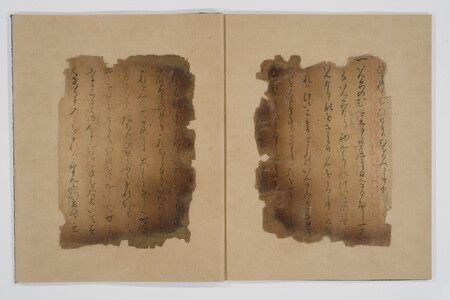
The Japanese government has announced that it will recommend Fushikaden the 15th-century treatise by the Noh master Zeami for inscription on the UNESCO “Memory of the World” register.
A formal application is expected soon, and the review by UNESCO’s Executive Board is likely in spring 2027.


What Is “Fushikaden” and Why It Matters
- Fushikaden is a seven-volume treatise composed in the first half of the 15th century three of those original volumes are part of the nomination.
- The work lays out the aesthetic principles and performance philosophy of Noh the classical Japanese masked dance-drama that blends song, dance, and poetic language.
- Zeami uses a vivid “flower metaphor”: Noh’s beauty and transformative power, in his view, blossom when performance techniques and inner spirit are harmonized.
- The nomination includes two manuscripts believed to be autographed by Zeami himself making them among the world’s oldest surviving manuscripts of acting theory.
Why UNESCO Recognition Matters
- The “Memory of the World” register aims to preserve documentary heritage of global significance. Inscribing Fushikaden would acknowledge Noh’s foundational legacy and Zeami’s contribution as not only Japanese, but world cultural heritage.
- Recognition can help in ensuring preservation financial, archival, academic of these ancient manuscripts for future generations. It could also elevate global awareness of Noh’s artistic depth and historical value.
- For Japan, it strengthens the cultural bridge to the world: similar to previous UNESCO recognitions of Japanese arts and traditions, this underscores Japan’s long cultural memory and living traditional arts.
What This Means for Noh and the World
- It highlights Noh not just as a performing art or entertainment, but as philosophy, theory and heritage elevating it to a universal cultural treasure rather than a niche tradition.
- Scholars of theatre, performing arts, history and world culture may gain renewed interest in Zeami’s writings and the aesthetics of Noh inspiring translations, research, exhibitions, and cross-cultural dialogue.
- For audiences worldwide: If UNESCO recognition brings wider promotion and preservation, more people outside Japan might discover Noh its beauty, subtlety, spiritual depth, and cultural resonance.
Broader Context UNESCO and Japanese Heritage
Japan has a history of nominating and preserving elements of its cultural heritage under UNESCO programmes. For example, as recently as 2024 a traditional Japanese skill the art of sake-making using koji mold was inscribed on UNESCO’s Intangible Cultural Heritage list.
The push for Fushikaden shows Japan continues to value and actively preserve its intangible cultural history preserving not just physical sites, but ideas, philosophies, aesthetics and artistic legacies.
Originally written by: https://www.nippon.com/en/news/yjj2025112500265/
Photo credit: Copyright The Jiji Press, Ltd.