

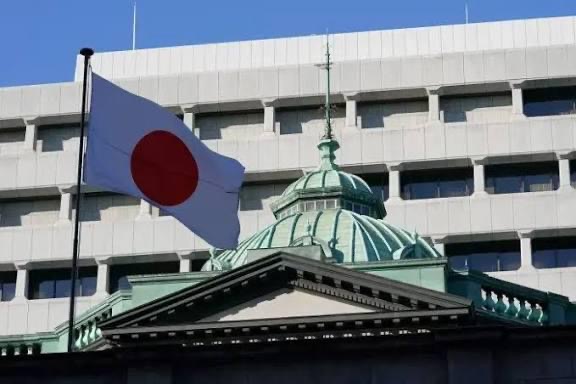
The Bank of Japan (BOJ) has raised its benchmark interest rate to 0.75%, marking another significant step in its gradual shift away from decades of ultra-loose monetary policy. The move reflects growing confidence that Japan’s economy is finally achieving stable inflation supported by sustained wage growth.
This rate hike comes as inflation remains above the BOJ’s 2% target, driven by higher consumer prices, stronger corporate earnings, and steady salary increases agreed during annual wage negotiations. Policymakers believe these conditions indicate that inflation is no longer temporary but becoming more structurally embedded in the economy.
 WhatsApp Image 2024 07 01 at 13.58.28 4cfca4e0
For years, Japan maintained near-zero or negative interest rates to combat deflation and stimulate growth. However, with economic conditions improving, the central bank is now focused on policy normalization while avoiding sudden shocks to financial markets. BOJ Governor Kazuo Ueda emphasized that the decision was taken after carefully assessing price trends, consumption patterns, and business investment.
The impact of the hike is expected to be mixed. Borrowers, including businesses and homeowners, may face slightly higher loan costs, while savers and deposit holders could benefit from better returns after years of minimal interest earnings. Japanese government bond yields have also edged higher, reflecting tighter monetary conditions.
Market reaction has been largely calm, suggesting that investors had anticipated the move. The Japanese yen showed limited volatility, indicating confidence that the BOJ will continue to act cautiously and predictably.
Looking ahead, the Bank of Japan has signaled that future rate changes will depend on economic data, particularly inflation trends and wage growth sustainability. While the 0.75% rate remains low by global standards, it represents a historic turning point for Japan’s monetary policy and underscores the country’s slow but steady exit from an era of extraordinary stimulus.
The decision highlights Japan’s evolving economic landscape and its effort to balance growth, price stability, and financial market confidence in a post-deflation era.