Iran is facing one of the most severe economic crises in its modern history. A sharp currency collapse, runaway inflation, and growing public frustration have combined to create an atmosphere of deep uncertainty, affecting everyday life for millions and raising serious questions about the country’s economic future.
A Currency in Free Fall
At the heart of Iran’s economic turmoil is the dramatic fall of the rial. Over the past few years, the currency has steadily lost value against major foreign currencies, eroding purchasing power and wiping out savings. For ordinary Iranians, this has meant that basic goods food, medicine, fuel, and rent have become increasingly unaffordable. Businesses that rely on imports have been hit especially hard, struggling to secure raw materials or pass rising costs on to consumers.
 WhatsApp Image 2024 07 01 at 13.58.28 4cfca4e0
Inflation That Touches Every Household
Inflation in Iran is no longer an abstract economic statistic; it is a daily reality. Prices of essential commodities continue to rise at a pace far faster than wages. Middle-class families are slipping into financial insecurity, while low-income households are being pushed to the edge. Even traditionally stable professions are finding it difficult to maintain living standards, leading many young people to reconsider their future in the country.
Sanctions and Structural Challenges
International sanctions have played a significant role in restricting Iran’s access to global markets, foreign investment, and financial systems. However, internal structural problems such as mismanagement, lack of transparency, and heavy state control over key sectors have compounded the crisis. Together, these factors have limited economic growth and weakened public confidence in long-term recovery.
Rising Social Unrest
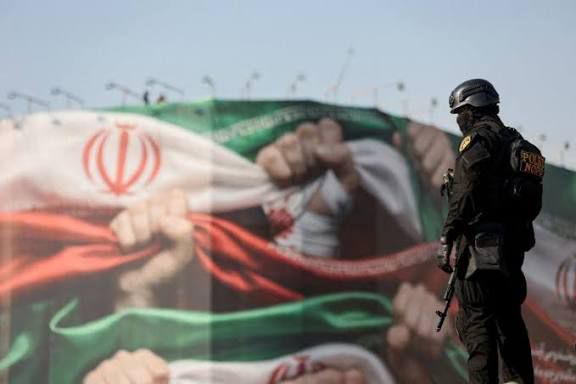
Economic hardship has increasingly translated into social unrest. Protests over high prices, unemployment, and declining living conditions have surfaced in various parts of the country. While the triggers may differ from fuel prices to pension payments the underlying frustration remains the same: a sense that economic pressures are becoming unbearable and that meaningful solutions are slow to arrive.
Impact on the Younger Generation
Iran’s youth are among the hardest hit. With limited job opportunities and shrinking prospects, many young Iranians feel disconnected from the promise of economic stability. Brain drain has intensified as skilled professionals and students look abroad for better opportunities, further weakening the country’s economic potential.
An Uncertain Road Ahead
Iran’s economic meltdown is not the result of a single event but a convergence of long-standing issues and external pressures. Without substantial reforms, improved economic governance, and some relief from international isolation, recovery will remain elusive. For now, the country stands at a critical juncture where economic decisions made today will shape not only financial outcomes but also social stability in the years to come.
As inflation bites deeper and public patience wears thin, Iran’s economic crisis is no longer just about numbers, it is about livelihoods, dignity, and the future direction of the nation.
Originally written by: IUX
Link to the article: https://www.investing.com/analysis/inside-irans-economic-meltdown-currency-collapse-inflation-and-social-unrest-200673212