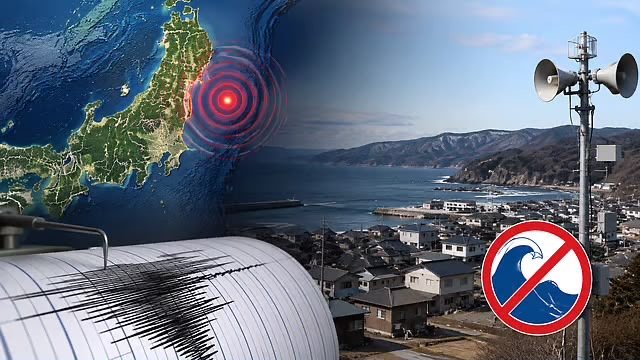
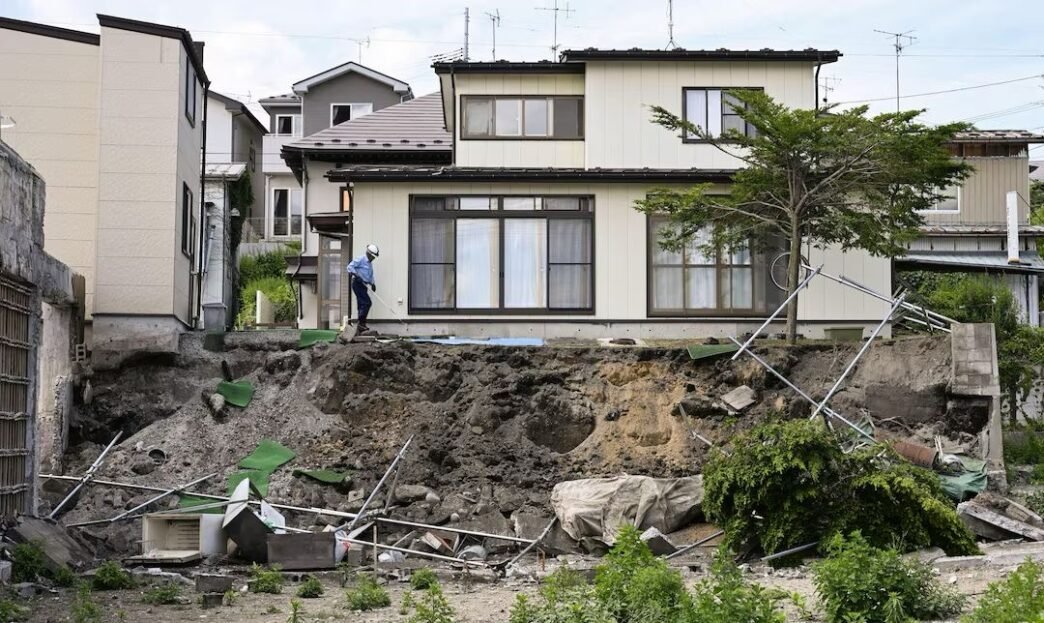
Japan is one of the world’s most earthquake-prone countries, making disaster preparedness an essential part of daily life. Having a well-stocked emergency kit can make a significant difference during and after an earthquake by ensuring you have the supplies needed to stay safe until help arrives.
Preparing an emergency kit in advance allows families to respond quickly and reduces panic during unexpected situations.
 WhatsApp Image 2024 07 01 at 13.58.28 4cfca4e0
Essential Items for a Japan Earthquake Emergency Kit
A complete emergency kit should contain enough supplies to support each family member for at least 72 hours.
Key items include:
● Drinking water (at least 3 liters per person per day)
● Non-perishable food such as canned goods and energy bars
● First-aid kit with essential medicines
● Flashlight with extra batteries
● Battery-powered or hand-crank radio
● Mobile phone charger or power bank
● Emergency blanket and warm clothing
● Face masks and hygiene supplies
● Multi-purpose tool or Swiss knife
● Copies of important documents in a waterproof bag
These essentials can help families remain safe and self-sufficient during emergencies.
Access to food and clean water may become limited after a major earthquake.
Experts recommend storing:
● Bottled drinking water
● Ready-to-eat meals
● Instant noodles or rice packs
● Canned vegetables and fruits
● High-energy snacks
● Baby food if needed
● Pet food for household animals
Regularly check expiration dates and replace supplies when necessary.
In addition to food and water, emergency safety equipment is equally important.
Include:
● Whistle to signal for help
● Portable fire extinguisher
● Work gloves
● Dust masks
● Plastic bags and wet wipes
● Personal hygiene products
● Emergency contact list
● Cash in small denominations
These supplies can be invaluable if power, communication, or banking services are disrupted.
Preparing an emergency kit should also include creating a family disaster plan.
Important steps include:
● Decide on a safe meeting location
● Learn local evacuation routes
● Keep emergency phone numbers accessible
● Practice earthquake drills regularly
● Know the location of nearby emergency shelters
● Teach children basic earthquake safety
Being mentally prepared is just as important as having the right supplies.
An emergency kit provides food, water, and medical supplies during the critical first 72 hours after an earthquake.
Having essential items ready allows families to evacuate quickly without wasting valuable time.
Emergency tools, first-aid supplies, and communication devices improve safety during disasters.
Knowing you are prepared helps reduce stress and increases confidence during emergencies.
Earthquakes can occur without warning, making preparedness essential for everyone living in or visiting Japan. A well-organized emergency kit stocked with food, water, medical supplies, and safety equipment can significantly improve your ability to cope during a disaster. By preparing in advance and reviewing your supplies regularly, you can protect yourself and your loved ones when every second counts.