Originally written by: CNA
Link to the article: https://www.channelnewsasia.com/east-asia/japan-mount-fuji-cherry-blossom-festival-cancelled-overtourism-5909406
 WhatsApp Image 2024 07 01 at 13.58.28 4cfca4e0
In an unusual move that highlights the growing challenges of global tourism, the annual cherry blossom festival near Mount Fuji in Japan has been cancelled for 2026. The decision was announced by the city of Fujiyoshida in central Japan’s Yamanashi Prefecture, citing mounting concerns over overtourism and its effects on the daily lives of local residents.
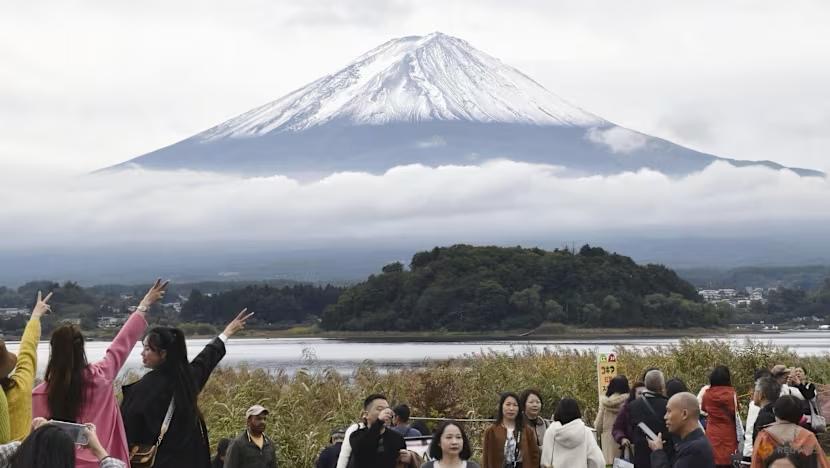
The festival, held at Arakurayama Sengen Park for about a decade, has become one of Japan’s most iconic spring attractions. The stunning panoramic cherry blossoms framing the Chureito Pagoda with Mount Fuji in the background have drawn photographers, travelers, and social media influencers from around the world. In peak seasons, the event used to attract around 200,000 visitors.
But that popularity came at a cost.
When Tourists Outnumber the Town
Japan saw a record-breaking boom in tourism in 2025, welcoming an estimated 42.7 million visitors, surpassing the previous year’s record of nearly 37 million. A weaker yen and increased global travel interest helped fuel this surge, turning rural and scenic spots into overnight sensations.
Fujiyoshida, a town of roughly 45,000 residents, struggled to accommodate the dramatic influx. At the height of cherry blossom season, officials reported as many as 10,000 visitors per day in the park area alone, far exceeding the community’s capacity.
Beyond Beauty: Safety and Resident Complaints
Local officials pointed to a range of issues that left residents feeling overwhelmed:
● Traffic congestion disrupts daily routines.
● Sanitation problems, including littering and misuse of private property.
● Trespassing into homes as tourists sought restroom access.
● Instances of people relieving themselves in private gardens.
● Concerns over the safety of schoolchildren navigating crowded sidewalks.
In the words of Fujiyoshida Mayor Shigeru Horiuchi, the surge had crossed a “crisis threshold,” threatening residents’ quality of life and dignity. To safeguard the community’s well-being, the city opted to halt the festival and remove its official promotion from tourism channels.
What’s Next for the Cherry Blossom Season?
Despite the cancellation of the official festival, the cherry blossoms themselves are expected to bloom as usual this spring. Fujiyoshida authorities anticipate that visitors will still come to admire the blossoms and the iconic view of Mount Fuji, even without the festival designation.
To better manage the influx, the city plans to:
● Increase on-site security.
● Set up temporary parking areas.
● Install portable toilets to reduce pressure on residential spaces.
Overtourism: A Growing Challenge Worldwide
The situation in Fujiyoshida echoes a global trend where once-idyllic destinations face strain from mass tourism. Places like Kyoto and other heritage sites in Japan have reported similar problems, including overcrowding and cultural friction between tourists and local communities.
The cancellation of the Mount Fuji cherry blossom festival is a reminder that tourism must be balanced with sustainability and respect for local life. For many residents, the beauty of the sakura season should not come at the expense of everyday living.