Original news source: https://www.japantimes.co.jp/news/2026/04/04/japan/takaichi-australia-rare-earths/
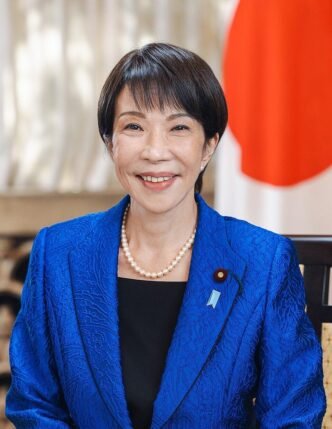
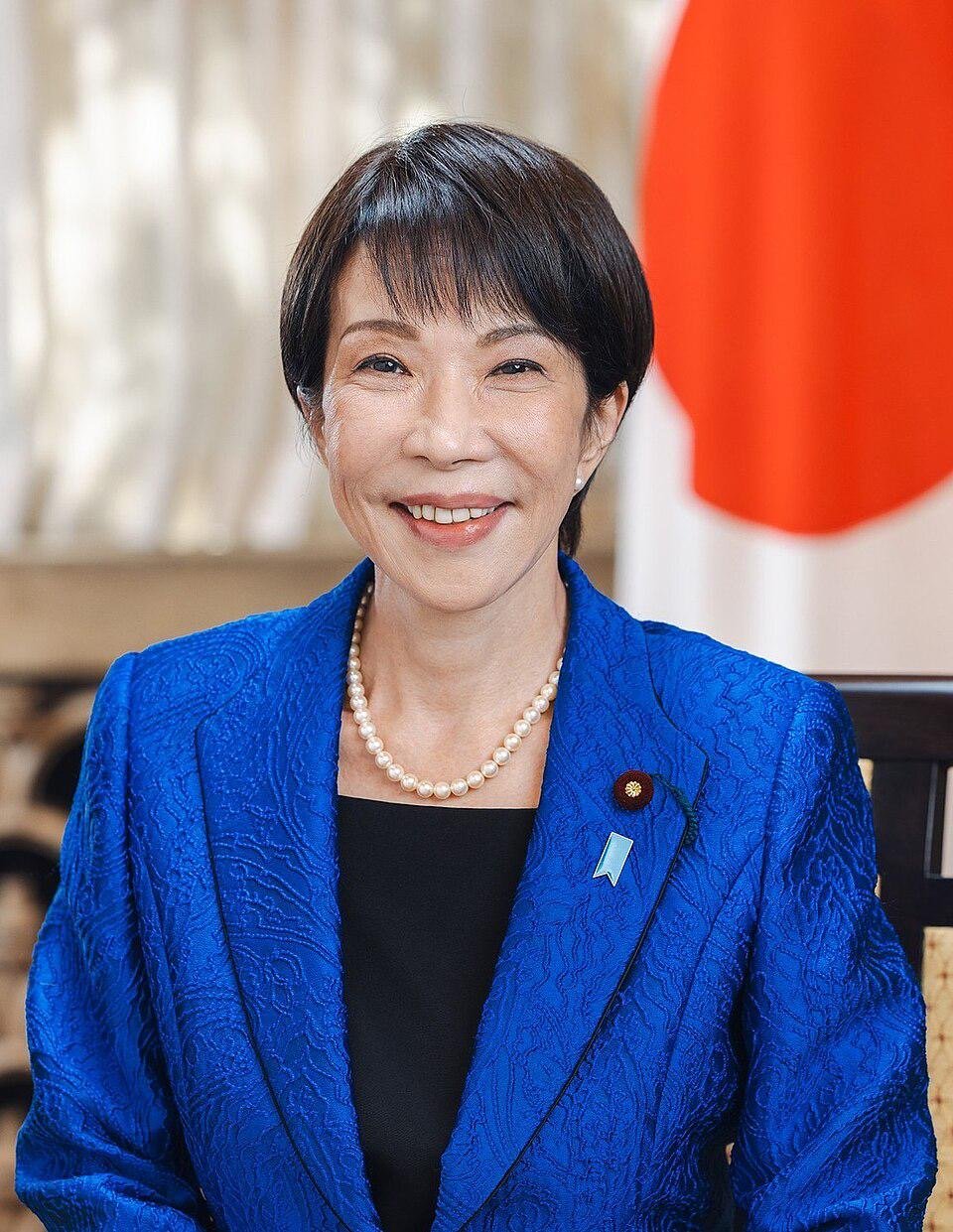
Japan is taking a decisive step toward strengthening its economic security, as Prime Minister Sanae Takaichi prepares for a strategic visit to Australia focused on rare earth cooperation and regional stability.
 WhatsApp Image 2024 07 01 at 13.58.28 4cfca4e0
According to recent reports, the visit aims to deepen collaboration on critical mineral supply chains, particularly rare earth elements essential for advanced technologies such as electric vehicles, renewable energy systems, and electronics.
Strengthening Supply Chains Beyond China
Japan’s move reflects a broader global effort to reduce reliance on China, which currently dominates the rare earth market. For years, Tokyo has been actively diversifying its sources, and this upcoming visit signals a further push in that direction.
Australia, with its vast reserves and strong mining sector, has emerged as a key partner. Companies like Lynas have already positioned the country as one of the leading alternative suppliers outside China, making the partnership strategically significant.
Expanding Strategic and Security Dialogue
Beyond minerals, discussions during the visit are expected to include maritime security particularly safe navigation in the Strait of Hormuz, a critical global shipping route currently facing geopolitical tensions.
Leaders are also likely to reaffirm their commitment to a “free and open Indo-Pacific,” reinforcing cooperation on regional stability and trade security.
This planned trip follows closely on the heels of Japan’s recent rare earth agreement with France, highlighting Tokyo’s multi-partner strategy to secure critical resources.
Together, these efforts underscore Japan’s evolving diplomatic and economic priorities focusing on resilience, diversification, and strategic alliances in an increasingly competitive global landscape.
As demand for rare earths continues to surge, Japan’s outreach to Australia signals more than just a bilateral visit; it reflects a long-term vision to build secure, diversified supply chains.
If successful, the partnership could reshape the critical minerals landscape, reduce geopolitical risks, and strengthen economic ties between two key Indo-Pacific nations.