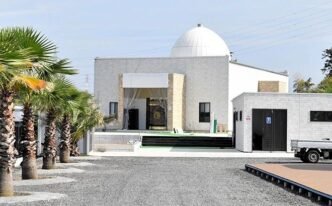
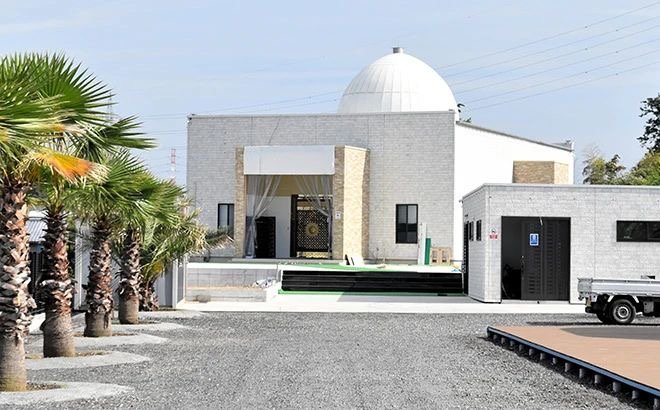
Pakistan’s Embassy in Japan has issued a clarification stating that it has no involvement in a mosque construction project in Kawagoe, following reports that local authorities raised concerns about the structure’s compliance with Japanese building regulations.
The statement comes amid growing public attention surrounding the project after officials reportedly questioned whether the necessary permits and approvals required under Japanese law had been obtained before construction activities took place.
 WhatsApp Image 2024 07 01 at 13.58.28 4cfca4e0
The embassy emphasized that it is not connected to the project and has no role in its planning, funding, management, or construction.
Embassy Issues Clarification Following Public Concerns
The clarification was released after reports linked the mosque project to Pakistan, prompting the embassy to publicly address the matter.
According to the embassy, it:
● Has no involvement in the project
● Did not provide funding
● Is not managing construction activities
● Has no ownership interest in the site
● Is not responsible for project approvals
● Has no operational role in the facility
● Is not connected to the project’s administration
The statement was intended to address speculation and clarify the embassy’s position.
Local Authorities Raise Questions Over Construction Procedures
The issue reportedly emerged after local officials expressed concerns regarding compliance with construction and zoning regulations.
Areas under review reportedly include:
● Building permits
● Construction approvals
● Land-use regulations
● Safety standards
● Municipal requirements
● Planning procedures
● Regulatory compliance
Japanese authorities generally require construction projects to meet strict legal and administrative standards before development can proceed.
Japan Maintains Strict Building Regulations
Japan is known for having comprehensive building and safety regulations that apply to residential, commercial, and religious facilities alike.
Key requirements often include:
● Building permits
● Structural safety reviews
● Fire safety compliance
● Environmental considerations
● Zoning approvals
● Community planning regulations
● Inspection procedures
Compliance with these regulations is considered essential for public safety and orderly urban development.
Religious Facilities Continue to Serve Diverse Communities
Japan is home to a growing international population, and religious facilities often play an important role in serving multicultural communities.
Such facilities commonly provide:
● Places of worship
● Community gathering spaces
● Educational activities
● Cultural programs
● Social support services
● Religious celebrations
● Intercultural engagement opportunities
Like other construction projects, religious institutions are generally expected to follow all applicable legal requirements.
Japan’s International Communities Continue to Grow
In recent years, Japan has experienced increasing cultural diversity through international workers, students, and residents.
This growth has contributed to demand for:
● Community centers
● Religious facilities
● Cultural organizations
● Language support services
● Educational programs
● Social integration initiatives
● Multicultural activities
Local governments often work to balance community needs with regulatory and planning requirements.
Why This Issue Is Drawing Attention
1. The Embassy Issued a Public Clarification
Pakistan’s Embassy sought to address reports linking it to the project.
2. Construction Compliance Is Under Scrutiny
Questions have reportedly been raised regarding permit and approval procedures.
3. Japan Has Strict Building Standards
Construction projects must comply with established legal and safety regulations.
4. The Case Highlights Community Development Challenges
Growing international communities are creating demand for new facilities and services.
Frequently Asked Questions (FAQs)
Q: What did Pakistan’s Embassy in Japan clarify?
A: The embassy stated that it has no involvement in the mosque project in Kawagoe, Saitama Prefecture.
Q: Why has the project attracted attention?
A: Reports indicated that local authorities raised concerns regarding construction permits and compliance with Japanese regulations.
Q: Is the mosque project being investigated?
A: Local authorities have reportedly reviewed issues related to permits and regulatory procedures.
Q: Does Japan require approval for religious building projects?
A: Yes. Religious facilities, like other construction projects, must comply with applicable building and planning regulations.
Q: What role does the Pakistan Embassy have in the project?
A: According to its statement, the embassy has no role in the project’s development, funding, management, or construction.
Final Word: Embassy Clarifies Position as Questions Surround Construction Project
The clarification from Pakistan’s Embassy in Japan aims to remove any misunderstanding regarding its connection to the mosque project in Kawagoe.
As local authorities continue addressing regulatory and construction-related concerns, the case highlights the importance of compliance with Japan’s building standards and approval processes.
The development also reflects the broader challenges associated with meeting the needs of increasingly diverse communities while ensuring that all projects adhere to legal and safety requirements.