Links to the article: https://www.japantimes.co.jp/news/2026/04/08/japan/cats-meals-unfinished/
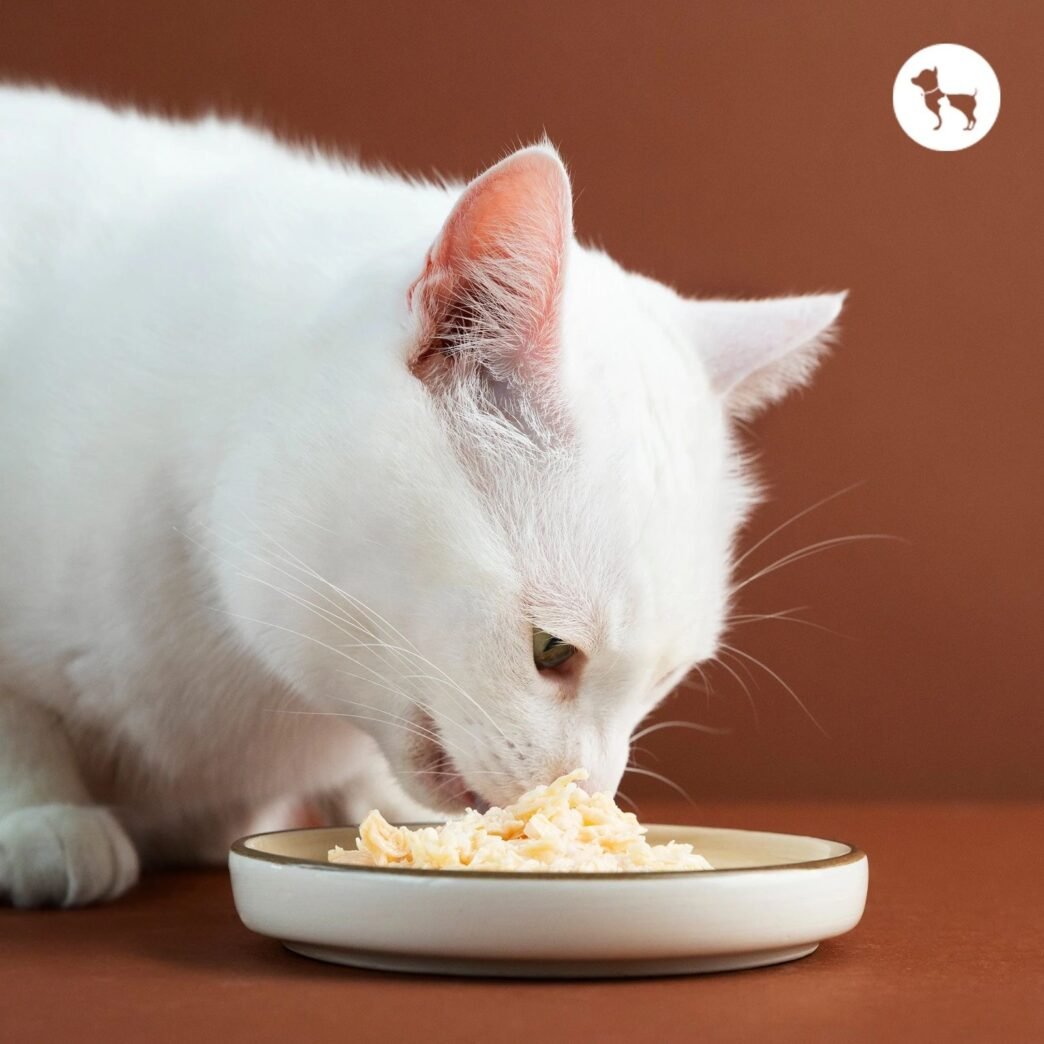
A team of researchers in Japan has shed light on a behavior familiar to many pet owners why cats often leave their meals unfinished. While it may seem like simple fussiness, the findings suggest there’s more to this habit than meets the eye.
 WhatsApp Image 2024 07 01 at 13.58.28 4cfca4e0
The study reveals that cats are naturally wired to be cautious eaters. In the wild, their ancestors survived by consuming small portions at different times rather than finishing a large meal in one sitting. This instinct still influences domestic cats today, even when food is readily available.
Another key factor is sensitivity to smell and freshness. Cats have a highly developed sense of smell, and even slight changes in the scent or temperature of their food can make it less appealing. If food sits out for too long, a cat may lose interest and walk away even if it’s still perfectly safe to eat.
Researchers also pointed to stress and environmental factors. Changes in surroundings, unfamiliar noises, or even the presence of other pets can affect a cat’s eating habits. In such cases, leaving food unfinished may be a sign of discomfort rather than disinterest.
Interestingly, portion size plays a role as well. Serving too much food at once can overwhelm cats, leading them to eat only what they need and ignore the rest. This aligns with their natural tendency to eat smaller, more frequent meals.
The findings highlight the importance of understanding feline behavior rather than misinterpreting it. For pet owners, simple adjustments like offering smaller portions, maintaining a calm feeding environment, and ensuring freshness can make a noticeable difference.
This research not only explains a common mystery but also reinforces how deeply instinct shapes even the everyday habits of domestic animals.