A tiny and rare fish species found off Japan’s Hyogo coast is drawing growing attention from divers and marine enthusiasts due to its unusual appearance and extremely small size.
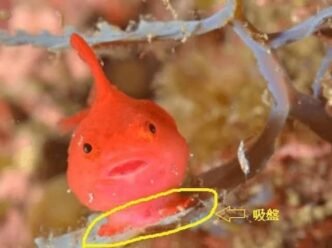
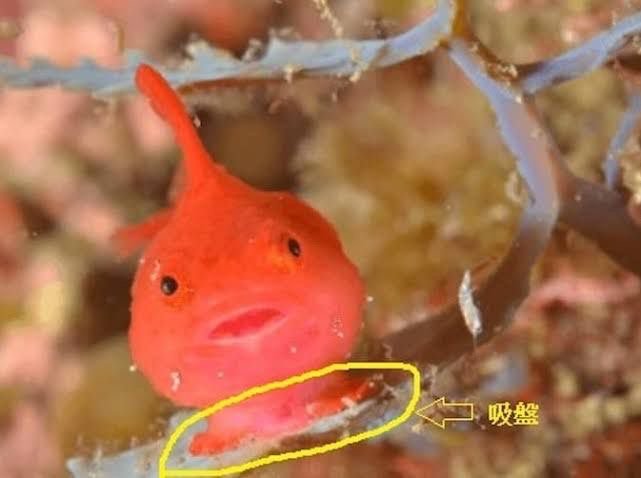
Known as the Cherry Blossom Lumpfish, the fish measures only around 1 centimeter in length and appears seasonally along coastal waters in Japan.
 WhatsApp Image 2024 07 01 at 13.58.28 4cfca4e0
Marine experts say the species has become increasingly vulnerable as the seaweed habitats it depends on continue disappearing due to environmental changes.
The Tiny Fish Has Become a Seasonal Attraction
Despite its small size, the Cherry Blossom Lumpfish has gained popularity among underwater photographers and diving communities.
The fish is known for:
● Its tiny body size
● Rounded appearance
● Distinctive markings
● Seasonal visibility
● Rare coastal habitat
● Delicate swimming movements
● Unusual underwater appearance
Divers often visit parts of Hyogo Prefecture during spring to observe the species in its natural environment.
Seaweed Habitats Are Essential for Survival
Marine specialists say the fish relies heavily on seaweed-rich coastal ecosystems for protection and reproduction.
Important habitat functions include:
● Shelter from predators
● Egg-laying areas
● Food availability
● Breeding support
● Coastal ecosystem balance
● Temperature stability
● Marine biodiversity protection
The decline of seaweed beds has raised concerns for multiple marine species across Japan.
Climate and Environmental Changes Affect Coastal Ecosystems
Japan’s coastal ecosystems have faced increasing environmental pressures in recent years.
Common challenges include:
● Rising sea temperatures
● Habitat degradation
● Coastal pollution
● Ocean ecosystem imbalance
● Marine biodiversity decline
● Weather pattern changes
● Human environmental impact
Scientists continue studying how these factors affect marine life and coastal sustainability.
Marine Tourism Continues Growing in Japan
Japan remains a popular destination for marine tourism, underwater photography, and seasonal diving experiences.
Popular coastal attractions include:
● Coral reef diving
● Seasonal marine wildlife viewing
● Coastal photography
● Eco-tourism activities
● Marine conservation tours
● Underwater ecosystems
● Nature observation experiences
Rare species sightings often attract both local and international visitors.
Japan Expands Marine Conservation Awareness
Growing public interest in marine biodiversity has increased attention toward ocean conservation efforts.
Current environmental priorities include:
● Protecting coastal habitats
● Restoring seaweed ecosystems
● Supporting marine biodiversity
● Promoting sustainable tourism
● Monitoring climate impact
● Reducing marine pollution
● Expanding ecological research
Conservation groups continue encouraging stronger protection of vulnerable coastal environments.
Why the Tiny Fish Is Drawing Attention
1. Its Extremely Small Size Is Unusual
The fish measures only about 1 centimeter long.
2. Divers Travel to See It Seasonally
The species appears briefly along Japan’s coast during spring.
3. Environmental Concerns Are Growing
Habitat loss threatens the seaweed ecosystems the fish depends on.
4. Marine Biodiversity Is Becoming More Important
Japan continues focusing on ocean conservation and ecological protection.
Frequently Asked Questions (FAQs)
Q: What is the Cherry Blossom Lumpfish?
A: It is a tiny rare fish species found seasonally along Japan’s coastal waters.
A: The fish is approximately 1 centimeter long, making it one of the smallest marine attractions in Japan.
Q: Where can the fish be found?
A: It appears near coastal areas of Hyogo Prefecture in Japan during certain seasons.
Q: Why is the species under threat?
A: The fish depends on seaweed habitats that are disappearing due to environmental and climate-related changes.
Q: Why are divers interested in the fish?
A: Its rarity, tiny size, and unique appearance make it popular among underwater photographers and marine enthusiasts.
Final Word: Japan’s Tiny Marine Species Highlights Bigger Environmental Challenges
The growing attention surrounding the Cherry Blossom Lumpfish reflects both fascination with Japan’s unique marine biodiversity and concern about the future of fragile coastal ecosystems.
As environmental pressures continue affecting seaweed habitats and ocean life, conservation awareness is becoming increasingly important for protecting rare marine species.
The tiny fish may be small in size, but it is helping draw global attention to much larger environmental issues facing marine ecosystems today.