All 23 Tokyo Wards Introduce Stricter Rental Regulations
Tokyo has tightened regulations on private short-term accommodation, with all 23 central wards introducing additional restrictions on minpaku, Japan’s Airbnb-style home rental system.
 Asahi Travel Service Pvt Ltd
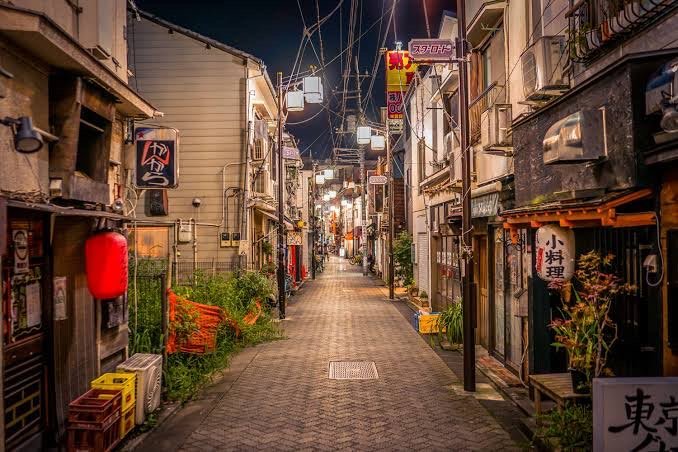
The move follows increasing complaints from residents about noise, improper waste disposal, late-night parties and disruptive behaviour by tourists staying in residential neighbourhoods.
The new local rules build on Japan’s national Private Lodging Business Law, which allows registered minpaku properties to accommodate guests for a maximum of 180 days per year.
Tokyo’s 23 central wards account for approximately 40 per cent of the country’s minpaku facilities, making the regulatory changes significant for Japan’s tourism and accommodation sectors.
Kita Ward Becomes the Last Ward to Introduce Restrictions
Kita Ward was the last of Tokyo’s 23 wards to introduce additional regulations.
Starting January 7, 2027, the ward will prohibit new minpaku operations in designated residential areas when the property owner is not present during guests’ stays.
The restriction is intended to increase accountability among property owners and address complaints involving remotely managed rental properties.
Local authorities have received growing concerns from residents, particularly about accommodation facilities operated by management companies without the owners living nearby.
Taito Ward Takes Action Against Non-Compliant Owners
Taito Ward, which includes popular tourist destinations such as Asakusa and Ueno, has also introduced stricter rules.
From October 1, 2026, new minpaku facilities in the ward have been restricted from accepting guests on weekdays. New operations in designated residential-only areas are also prohibited.
The ward is taking action against four property owners who collectively operate eight rental units. According to reports, the owners failed to submit mandatory accommodation activity reports covering December 2025 to May 2026.
Authorities have asked them to submit the required documents. Continued non-compliance could lead to the publication of their names and eventual closure of the affected facilities.
Shinjuku Considers Even Tougher Measures
Shinjuku Ward is considering some of the strictest measures in Tokyo.
The ward has proposed restricting new minpaku operations in designated residential and educational areas while also considering measures that could force certain existing facilities to close.
The proposal reflects growing frustration among residents over accommodation businesses that fail to follow local rules.
Other wards have also introduced restrictions based on their residential conditions, with some limiting operating days and others prohibiting new facilities in specific neighbourhoods.
Balancing Tourism Growth with Residents’ Quality of Life
Minpaku facilities have become an important part of Japan’s accommodation industry, particularly as international tourism continues to grow.
They provide travellers with alternatives to traditional hotels, including private homes and apartments that can be suitable for families and larger groups.
However, the rapid expansion of short-term rentals has created challenges for neighbourhoods where residents live close to these properties.
Tokyo’s latest measures aim to balance tourism demand with the need to protect residential communities, maintain public cleanliness and ensure responsible accommodation management.
The introduction of additional minpaku restrictions across all 23 Tokyo wards marks a significant development in Japan’s approach to short-term tourism accommodation. With Kita Ward becoming the final ward to act, attention is now turning to how effectively the new regulations will address residents’ concerns while allowing Japan’s tourism industry to continue growing.