
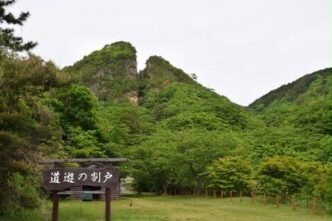
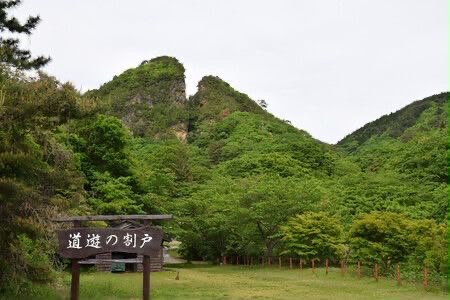
Japan has been urged by a UNESCO panel to improve the exhibits at the Sado Gold Mines, a UNESCO World Heritage Site, by providing a more comprehensive presentation of the site’s historical background. The recommendation comes as part of UNESCO’s ongoing monitoring of World Heritage properties to ensure they accurately reflect their cultural and historical significance.
The Sado Gold Mines, located on Sado Island in Niigata Prefecture, were inscribed on the UNESCO World Heritage List for their contribution to the development of traditional gold mining techniques during the Edo period. The site has also been the subject of international attention due to differing historical perspectives surrounding its use during the Second World War.
 WhatsApp Image 2024 07 01 at 13.58.28 4cfca4e0
The panel encouraged Japan to further strengthen the site’s historical interpretation and visitor information.
Key recommendations include:
● Improve museum exhibits and interpretive displays
● Present a more comprehensive historical narrative
● Enhance educational content for visitors
● Continue dialogue with relevant stakeholders
● Preserve the site’s cultural and historical value
● Strengthen heritage management and interpretation
The recommendations aim to ensure visitors gain a balanced understanding of the site’s history while preserving its outstanding universal value.
Balancing Heritage and History
The Sado Gold Mines represent centuries of mining innovation and remain an important part of Japan’s industrial heritage. UNESCO’s review highlights the importance of presenting World Heritage Sites in a way that reflects both their cultural achievements and the broader historical context associated with them.
Japan has previously stated its commitment to meeting UNESCO’s recommendations and maintaining the site’s World Heritage status through continued conservation and improved interpretation.
1. Protecting World Heritage
UNESCO encourages accurate and comprehensive interpretation of internationally recognized heritage sites.
2. Preserving Historical Understanding
Enhanced exhibits can provide visitors with a broader perspective on the site’s history.
3. Promoting Responsible Tourism
Well-curated displays help educate visitors while supporting sustainable cultural tourism.
4. Strengthening International Cooperation
Constructive engagement between UNESCO and member states helps preserve cultural heritage for future generations.
The UNESCO panel’s recommendations for the Sado Gold Mines underscore the importance of preserving not only physical heritage but also historical understanding. By enhancing its exhibits and educational materials, Japan has the opportunity to further strengthen the cultural value of one of its most significant World Heritage Sites while offering visitors a more complete picture of its rich and complex history.