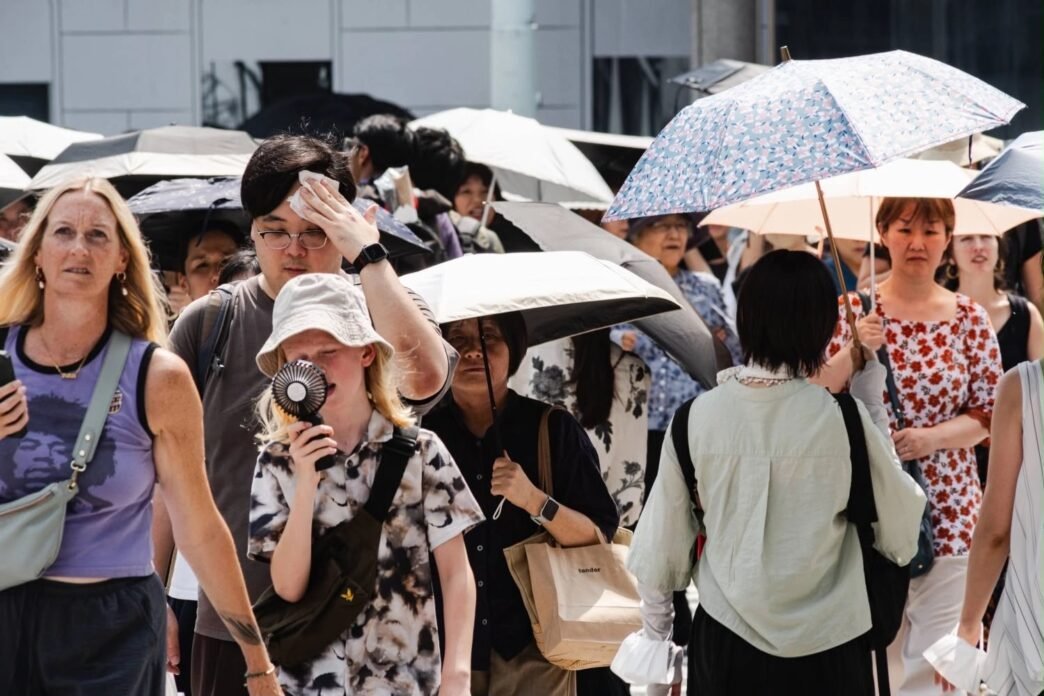
Japan is experiencing increasingly intense summer temperatures that are transforming daily life and challenging long-held perceptions of the country’s climate. With prolonged heatwaves becoming more frequent, communities, businesses, and authorities are adopting new measures to protect public health and adapt to changing environmental conditions.
Experts say the growing intensity of summer heat reflects broader climate trends, making heat preparedness more important than ever.
 WhatsApp Image 2024 07 01 at 13.58.28 4cfca4e0
Extreme Heat Becomes the New Normal
Across many parts of Japan, soaring temperatures have led to greater awareness of heat-related risks and the need for practical adaptation.
Key developments include:
● Longer and more intense heatwaves
● Increased public health advisories
● Greater use of cooling centres
● Expanded heatstroke prevention campaigns
● Rising demand for air conditioning
● Changes in outdoor work and school activities
● Increased public awareness of heat safety
Communities are adjusting routines to reduce exposure during the hottest hours of the day.
Adapting to a Changing Climate
Authorities and residents are implementing strategies to cope with higher temperatures and protect vulnerable populations.
Adaptation efforts include:
● Encouraging regular hydration
● Promoting shaded public spaces
● Expanding urban greening initiatives
● Strengthening emergency response plans
● Using heat-resistant infrastructure
● Raising awareness through public campaigns
● Monitoring weather conditions more closely
These measures aim to reduce the impact of extreme heat on public health and daily life.
The hotter summers are influencing multiple sectors across Japan.
Areas affected include:
● Public health and healthcare services
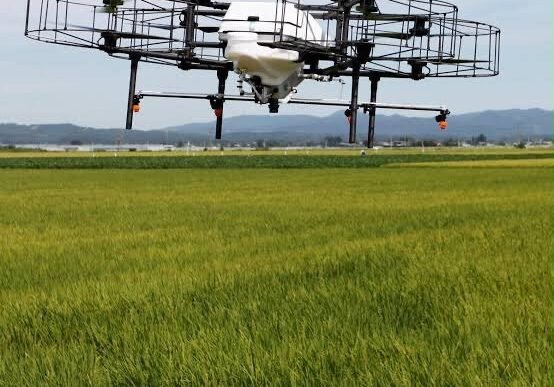
● Agriculture and food production
● Energy demand and electricity use
● Schools and outdoor activities
● Tourism and recreation
● Workplace safety
● Urban planning and infrastructure
The changing climate is encouraging both local governments and communities to invest in long-term resilience.
Extreme heat increases the risk of heat-related illnesses, making awareness and preparedness essential.
Japan continues to develop strategies to help communities cope with rising temperatures.
Hotter summers affect agriculture, energy consumption, tourism, and workplace productivity.
Japan’s experience highlights how countries around the world are adapting to increasingly frequent extreme weather events.
Japan’s increasingly hot summers are reshaping everyday life and underscoring the growing need for climate adaptation. As temperatures continue to rise, efforts to improve heat resilience, protect public health, and develop sustainable urban solutions will play a vital role in helping communities adapt to a warmer future.