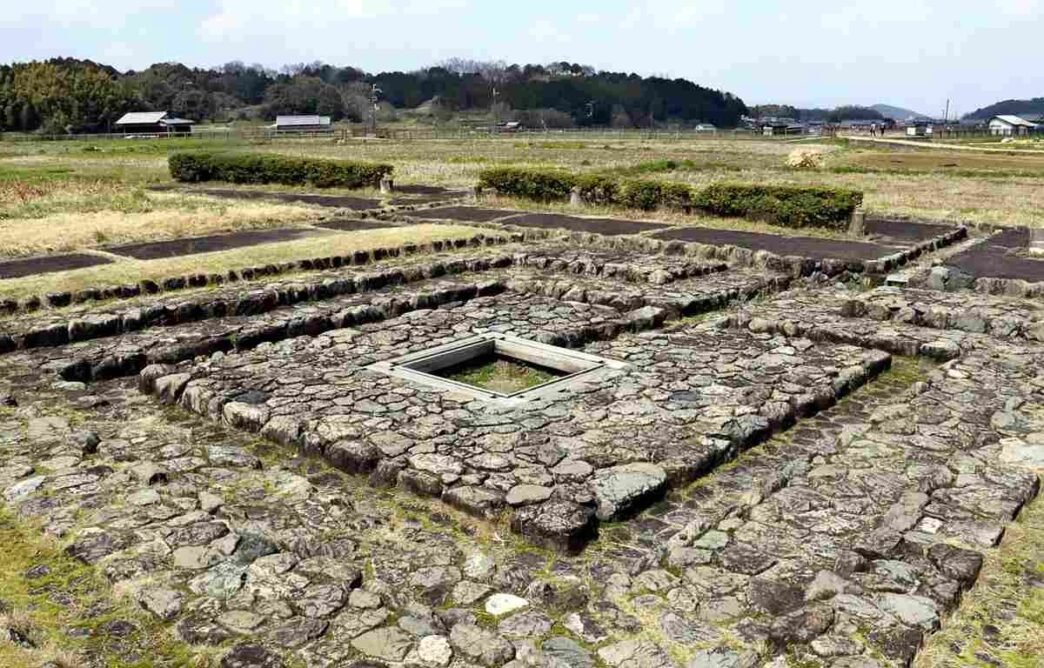
The UNESCO World Heritage Committee has officially recognized the Site of Ancient Capitals in Japan’s Nara Prefecture as a World Cultural Heritage Site, reaffirming the region’s outstanding historical, cultural, and architectural significance. The recognition celebrates Nara’s role as one of Japan’s earliest capitals and a cradle of the nation’s cultural, political, and religious development.
Home to centuries-old temples, shrines, archaeological sites, and historic landscapes, Nara continues to be one of Japan’s most treasured cultural destinations. The UNESCO recognition underscores the global importance of preserving these landmarks for future generations while promoting greater appreciation of Japan’s rich heritage.
 WhatsApp Image 2024 07 01 at 13.58.28 4cfca4e0
Celebrating Japan’s Historic Legacy
The designation highlights the exceptional cultural value of Nara’s ancient capital sites.
Key highlights include:
● Recognition by the UNESCO World Heritage Committee
● Ancient capitals located in Nara Prefecture
● Celebration of Japan’s early cultural and political history
● Preservation of historic temples, shrines, and archaeological sites
● Promotion of heritage conservation and cultural tourism
● Increased global recognition of Japan’s historical legacy
The recognition reflects international efforts to safeguard sites that have played a vital role in shaping human history and civilization.
A Symbol of Japan’s Cultural Heritage
Nara served as Japan’s first permanent capital during the Nara Period (710–794) and remains home to some of the country’s most iconic cultural treasures. The city’s historic monuments showcase traditional architecture, Buddhist heritage, and centuries of artistic achievement, attracting millions of visitors from around the world.
The UNESCO designation reinforces the importance of preserving these irreplaceable landmarks while encouraging sustainable tourism and cultural education.
1. Protecting Cultural Heritage
The recognition supports the conservation of one of Japan’s most historically significant regions.
2. Promoting Global Awareness
UNESCO status brings international attention to Nara’s cultural treasures.
3. Encouraging Sustainable Tourism
The designation helps attract visitors while emphasizing responsible heritage preservation.
4. Preserving History for Future Generations
The recognition ensures continued efforts to protect Japan’s architectural and cultural legacy.
The UNESCO Committee’s recognition of the Ancient Capitals in Nara Prefecture as a World Cultural Heritage Site celebrates Japan’s enduring cultural legacy and historical achievements. By preserving these remarkable landmarks, the designation helps ensure that one of the country’s most significant chapters of history continues to inspire visitors and future generations alike.