
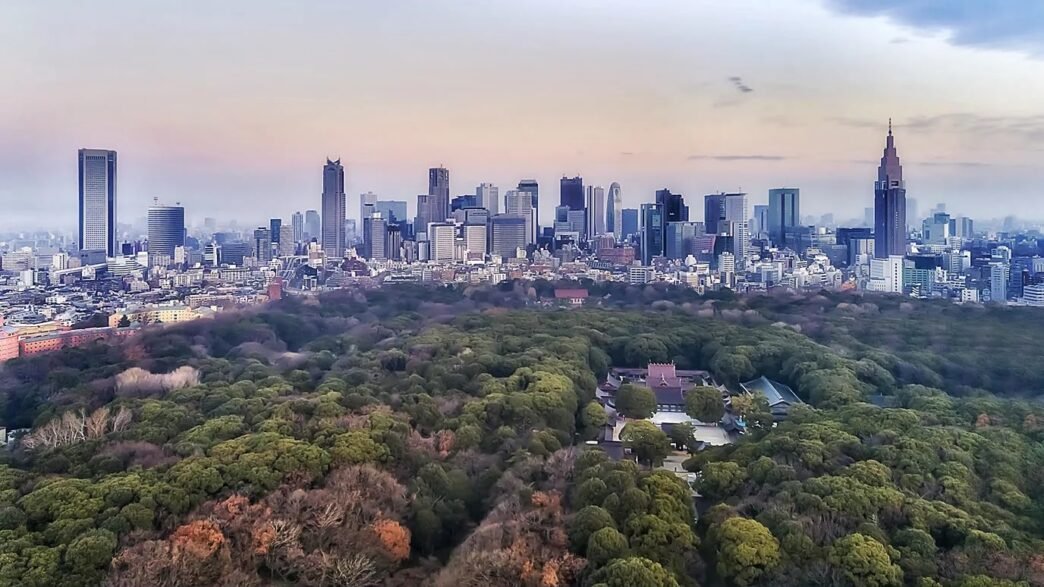
Japan is home to some of the world’s most livable cities, admired for their cleanliness, safety, efficiency, and quality of life. While each city has its own unique character, urban planners say four simple principles have played a key role in shaping Japan’s successful communities.
The first is walkable neighbourhoods. Homes, schools, parks, shops, and public services are often located within a short walking or cycling distance, reducing dependence on private vehicles and making daily life more convenient.
 WhatsApp Image 2024 07 01 at 13.58.28 4cfca4e0
The second principle is world-class public transport. Japan’s extensive network of trains, subways, and buses provides fast, reliable, and affordable travel, allowing millions of people to commute efficiently while reducing traffic congestion and pollution.
Another important factor is mixed-use urban planning. Residential, commercial, and recreational spaces are carefully integrated, creating vibrant neighbourhoods where people can live, work, shop, and relax without travelling long distances.
The fourth principle is a strong focus on cleanliness, safety, and public spaces. Well-maintained streets, green parks, disaster-resilient infrastructure, and a culture of civic responsibility contribute to a high quality of life and make cities welcoming for residents and visitors alike.
As cities around the world face challenges such as rapid urbanisation and climate change, Japan’s approach to urban planning offers valuable lessons. By prioritising accessibility, efficient transport, smart land use, and community well-being, Japanese cities continue to set a global benchmark for sustainable and livable urban development.