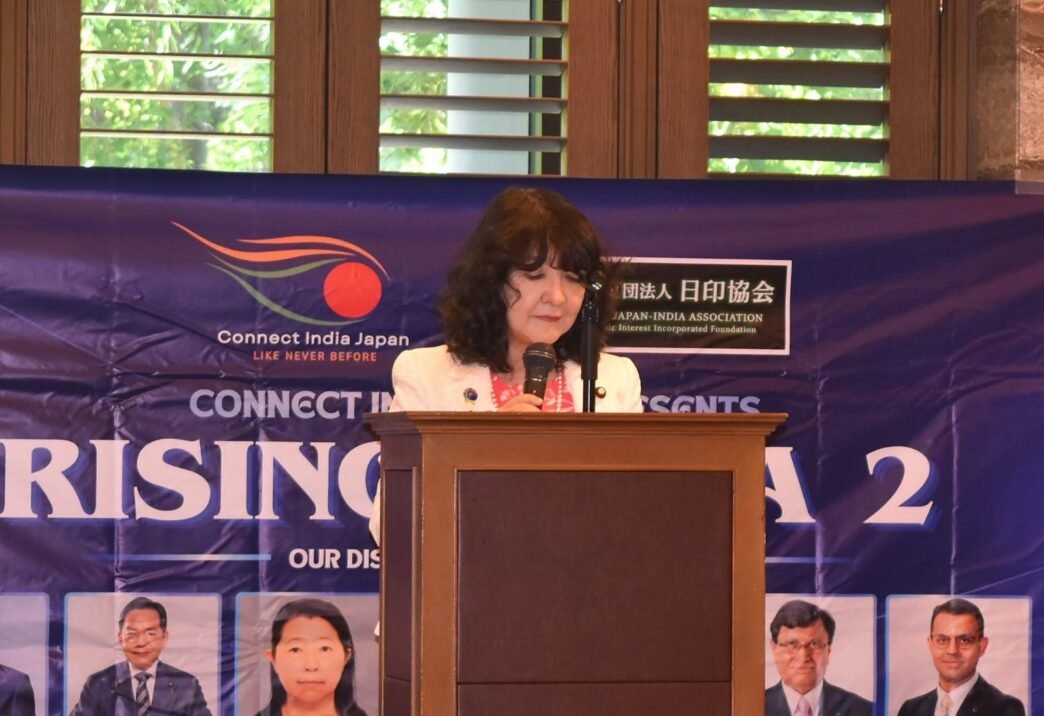
Japan is set to achieve a historic milestone in international financial diplomacy, with Finance Minister Satsuki Katayama named as the next chair of the World Bank and International Monetary Fund’s Development Committee.
Katayama will become the first Japanese official to lead the committee since it was established in 1974. Her appointment is expected to be formally confirmed at the committee’s meeting in Bangkok, Thailand, on October 15, 2026. Her two-year term is scheduled to run until October 2028. citeturn914748search0turn914748search1
 WhatsApp Image 2024 07 01 at 13.58.28 4cfca4e0
Katayama Aims to Bring Japan’s Expertise to Global Development
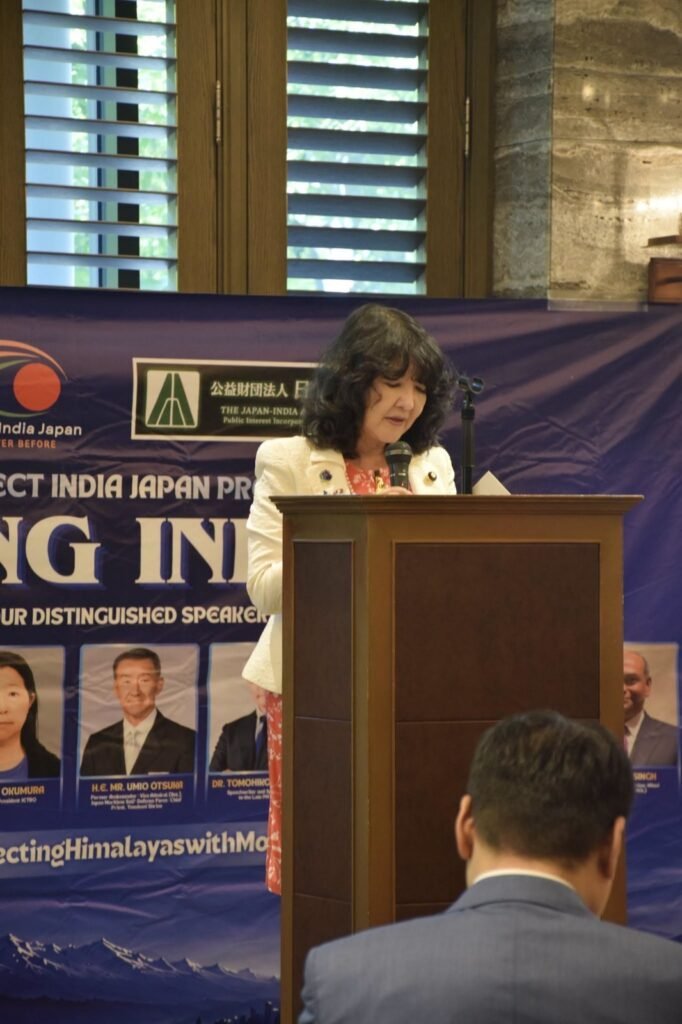
Speaking to reporters on October 13, Katayama said she intended to draw on Japan’s experience, expertise and technology in development policy, alongside its broader economic and international financial knowledge.
She also expressed her intention to work with other countries to lead constructive discussions on global development challenges.
Her appointment comes at a time when international institutions face complex issues involving economic stability, development financing and cooperation between advanced and developing economies. citeturn914748search1turn914748news10
What Is the World Bank–IMF Development Committee?
Established in 1974, the Development Committee is a joint ministerial body associated with the World Bank and the IMF. It discusses major development issues and provides recommendations and reports to the two institutions.
The committee generally comprises 25 minister-level representatives from countries selected through the World Bank or IMF governance systems. It typically meets twice a year, during the spring and autumn meetings.
Its discussions help guide international cooperation on development priorities and the economic challenges faced by developing countries. citeturn914748search3
Katayama’s selection marks the first time a Japanese official has been chosen to chair the committee since its creation more than five decades ago.
The role provides Japan with an opportunity to contribute to discussions on international development and financial policy at a senior level. It also places the country’s development experience and economic expertise at the centre of conversations involving member nations.
Japanese Prime Minister Sanae Takaichi welcomed the development, expressing hope that Katayama’s leadership would deepen discussions on global challenges and help Japan contribute to international prosperity. citeturn914748search1turn914748search2
Global Meetings and the Road Ahead
Katayama said she was preparing to travel to Thailand for the IMF and Group of 20 meetings, although her participation depended on approval from Japan’s parliament.
She also indicated an interest in discussing emerging global challenges, including the impact of advanced artificial intelligence, with international counterparts if she was able to attend.
Once formally appointed, she is expected to begin chairing the committee at its spring meetings in Washington in 2027. citeturn914748search1turn914748news10
The appointment would make Katayama the first Japanese chair of the Development Committee since its establishment in 1974.
2. Greater Role in Global Economic Dialogue
Japan will have an opportunity to help lead ministerial discussions on development priorities and international financial cooperation.
3. Sharing Development Experience
Katayama has highlighted Japan’s policy knowledge, technology and economic expertise as resources for constructive international dialogue.
4. Stronger International Cooperation
The committee’s work provides a forum for countries to discuss development challenges and coordinate recommendations to the World Bank and IMF.
Satsuki Katayama’s expected appointment as chair of the World Bank–IMF Development Committee marks an important moment for Japan’s international economic engagement. If formally confirmed, she will become the first Japanese official to lead the committee since its establishment in 1974.
Her two-year term will offer Japan an opportunity to contribute to discussions on development policy, global economic cooperation and international financial challenges while working with countries around the world.