
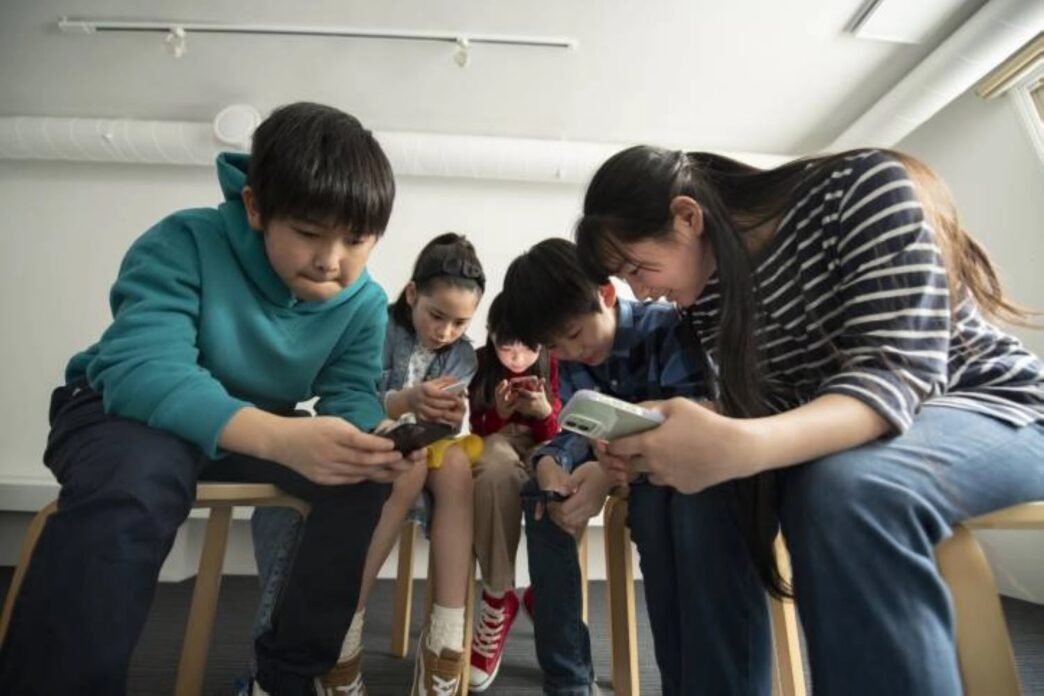
As countries around the world introduce stricter restrictions on children’s access to social media, Japan is considering a different approach. Rather than immediately imposing a blanket ban, policymakers are exploring measures that could focus on safer online environments, digital literacy, parental involvement, and greater responsibility from technology platforms.
The debate comes as governments globally examine the impact of social media on young users and consider how best to protect children while allowing them to benefit from digital communication and online learning.
 WhatsApp Image 2024 07 01 at 13.58.28 4cfca4e0
Japan’s Different Approach to Children’s Social Media Use
Japan’s approach is centred on balancing online safety with children’s access to digital platforms.
Possible measures include:
● Stronger parental controls
● Improved age verification
● Digital literacy education
● Greater platform responsibility
● Better protection of children’s personal data
● Tools to manage screen time
● Awareness programmes for parents and students
Rather than relying solely on restrictions, the approach could encourage children and families to develop safer and more responsible digital habits.
Why Countries Are Restricting Social Media Access
Governments in several countries have introduced or considered age restrictions on social media amid concerns about children’s online experiences.
Key concerns include:
● Exposure to inappropriate content
● Cyberbullying
● Online harassment
● Excessive screen time
● Privacy and data collection
● Social media addiction concerns
● Algorithm-driven content exposure
These concerns have increased pressure on technology companies and governments to strengthen protections for younger users.
Japan’s Focus on Digital Literacy
One potential element of Japan’s approach is improving digital literacy among children and parents.
Teaching young users how to identify harmful content, protect personal information, manage online interactions, and report inappropriate behaviour could help them navigate social media more safely.
Schools and families could play an important role in helping children understand both the benefits and risks of online platforms.
Role of Parents and Technology Companies
Parents could also have a greater role in managing children’s online activities through parental controls and age-appropriate settings.
At the same time, technology companies may face increasing expectations to:
● Improve child-safety features
● Strengthen content moderation
● Protect children’s data
● Provide effective reporting tools
● Make privacy settings easier to understand
● Develop age-appropriate experiences
This could create a shared responsibility between families, schools, governments, and technology platforms.
Why This Matters
1. Child Online Safety
A balanced approach could help protect young users while allowing them to participate in the digital world.
2. Digital Education
Teaching children responsible internet use can provide skills that remain valuable as they grow older.
3. Parental Involvement
Parents can play a stronger role in understanding and managing their children’s online experiences.
4. Future of Social Media Regulation
Japan’s approach could contribute to the wider global debate over whether education, technology, parental controls, or strict age restrictions are the most effective ways to protect children online.
Challenges of a Non-Ban Approach
A flexible approach also comes with challenges.
These may include:
● Difficulty verifying users’ ages
● Unequal levels of parental supervision
● Rapidly changing social media platforms
● Enforcement challenges
● Balancing safety with privacy
● Keeping digital education up to date
Experts and policymakers will need to determine whether these measures can provide meaningful protection without unnecessarily limiting young people’s access to digital services.
Final Word
As governments worldwide reconsider how children should use social media, Japan is exploring an approach that focuses on safety rather than relying solely on blanket restrictions. By combining digital literacy, parental involvement, stronger platform safeguards, and appropriate controls, Japan could offer an alternative model for protecting children in an increasingly connected digital world.