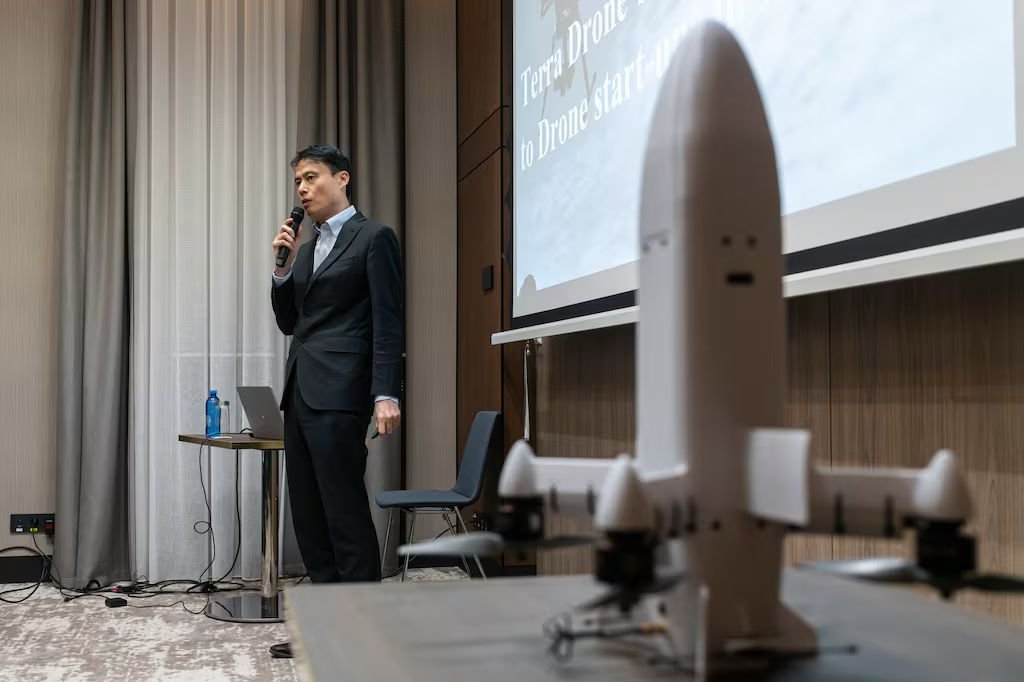
Japan has approved plans for the mass production of 3D-printed interceptor drones, highlighting the country’s growing focus on advanced manufacturing and rapidly deployable unmanned systems.
The move reflects a broader shift in defence technology, where 3D printing can potentially allow components and airframes to be produced faster and adapted more easily to changing operational requirements.
 WhatsApp Image 2024 07 01 at 13.58.28 4cfca4e0
Japan Turns to 3D Printing for Defence
3D printing, also known as additive manufacturing, allows complex components to be produced layer by layer from digital designs. For defence manufacturers, the technology can offer greater flexibility compared with conventional production methods.
Potential advantages include:
● Faster manufacturing
● Reduced production complexity
● Rapid design changes
● Lower material waste
● Localised production
● Easier prototyping
● Scalable manufacturing
The technology could help Japan respond more quickly to emerging requirements in unmanned systems.
Why Interceptor Drones Matter
Interceptor drones are designed to counter other airborne unmanned systems. Their growing importance reflects the rapid expansion of drone use in modern conflicts and security operations.
The development highlights several priorities:
● Counter-drone capabilities
● Rapid deployment
● Automated systems
● Affordable unmanned platforms
● Protection of critical infrastructure
● Advanced surveillance and defence networks
● Faster technological development
As drones become increasingly common, countries are investing in technologies capable of detecting and countering them.
A New Direction for Japanese Manufacturing
The use of 3D printing in defence also demonstrates how Japan’s advanced manufacturing capabilities are being applied to emerging security technologies.
Japan has long been recognised for precision manufacturing, robotics and industrial automation. Combining those capabilities with additive manufacturing could create new possibilities for producing specialised defence equipment.
The approach could allow manufacturers to move more quickly from design and testing to production.
Building a More Flexible Defence Industry
Japan’s move comes amid broader efforts to strengthen its defence capabilities and improve the resilience of its supply chains.
Key areas of focus include:
● Unmanned systems
● Artificial intelligence
● Robotics
● Advanced manufacturing
● Autonomous technologies
● Domestic production capabilities
● Defence supply-chain resilience
The growing use of these technologies could reshape how military equipment is designed and manufactured.
Why This Matters
1. Faster Production
3D printing can shorten the time required to develop and manufacture certain components.
2. Greater Flexibility
Digital manufacturing makes it easier to modify designs and produce specialised parts.
3. Counter-Drone Demand
The rapid spread of drones has increased demand for systems capable of detecting and intercepting them.
4. Advanced Manufacturing
The programme highlights Japan’s efforts to combine its industrial expertise with emerging defence technologies.
Final Word
Japan’s approval of mass production for 3D-printed interceptor drones marks another step toward integrating advanced manufacturing with modern defence technology. As unmanned systems become increasingly important, Japan’s investment in flexible production and counter-drone capabilities could play a growing role in its future security strategy.