Japan has introduced a major change to its traffic rules, reducing the statutory speed limit from 60 km/h to 30 km/h on qualifying narrow residential roads from September 1, 2026. The move is aimed at improving safety on streets frequently shared by vehicles, pedestrians and cyclists.
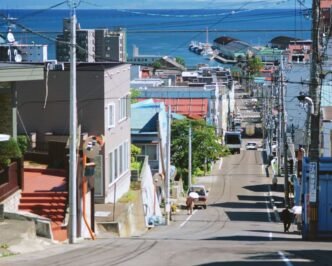
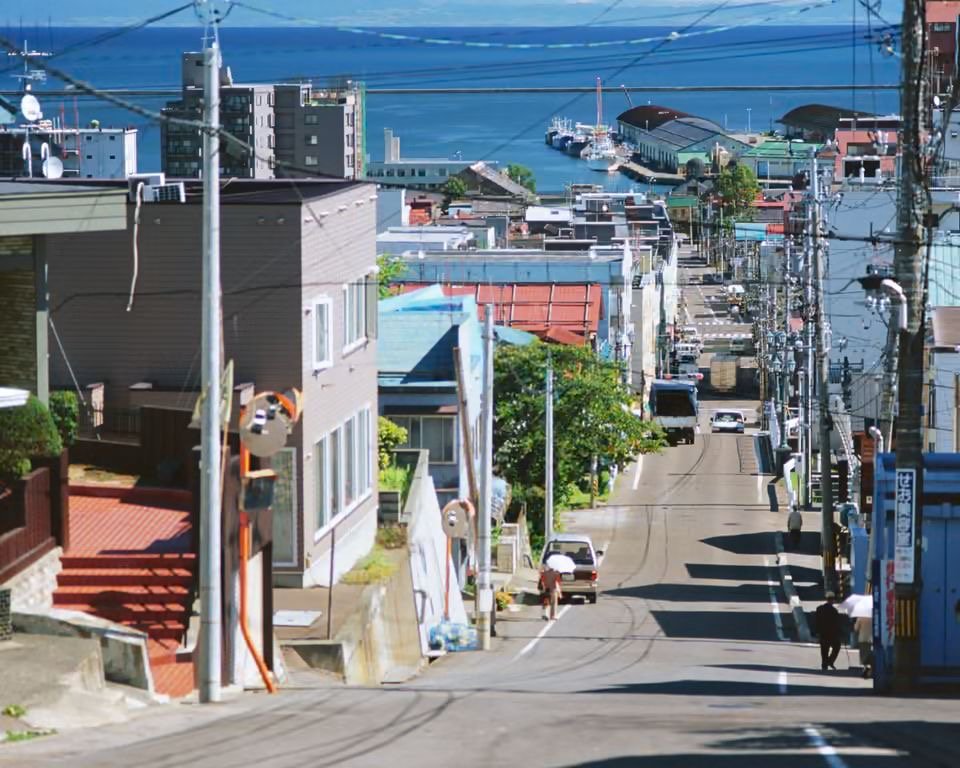
The change particularly affects roads without center lines or designated traffic lanes, many of which are found in residential neighborhoods and other areas used primarily by local residents.
 WhatsApp Image 2024 07 01 at 13.58.28 4cfca4e0
Which Roads Are Now Limited to 30 km/h?
The new 30 km/h statutory limit generally applies to ordinary roads that:
● Have no center line or designated traffic lane
● Have no separately posted maximum speed
● Are primarily used for everyday local access
● Are often relatively narrow, with many qualifying roads being under 5.5 metres wide
The National Police Agency describes these as “living roads” (seikatsu-doro)—streets used mainly for residents’ daily activities.
Not Every City Road Is Now 30 km/h
The headline can be misleading: Japan has not reduced the legal speed limit on every urban street to 30 km/h.
The statutory limit remains 60 km/h on roads such as:
● General roads with center lines or designated traffic lanes
● Roads where opposing traffic is physically separated
● Motor-vehicle-only roads
● Applicable expressway sections
Where a road already has a posted speed limit, that posted limit takes precedence. For example, a road with a 40 km/h sign remains limited to 40 km/h even if it otherwise falls within the new statutory category.
Why Has Japan Made the Change?
The reform is primarily about pedestrian safety.
Children and older people remain particularly vulnerable on residential roads, where vehicles, bicycles and pedestrians often share limited space. While Japan recorded a record-low 2,457 traffic deaths in 2025, deaths involving children and older people on residential roads had remained around 300 annually and increased in 2025.
Police data also indicate that the risk to pedestrians rises significantly when collision speeds exceed 30 km/h.
Around 70% of General Roads Could Be Affected
The change is potentially broad. Reports indicate that roads covered by the new rule total around 870,000 km, representing roughly 70% of Japan’s general road network.
However, the rule is based on road characteristics rather than simply whether a street is located inside a city or residential neighborhood.
Japan Has Tested 30 km/h Zones Before
Japan has previously introduced “Zone 30” areas on selected residential streets and school routes.
According to reporting on police data, those measures were associated with about a 30% reduction in fatalities and serious injuries in the affected areas.
The nationwide statutory change now extends the 30 km/h default to a much broader category of narrow roads.
Drivers should pay particular attention when entering narrow streets without center lines or designated lanes.
Even when traveling below the legal maximum, Japan’s National Police Agency advises drivers to adjust their speed according to:
● Pedestrian and bicycle traffic
● Road conditions
● Weather
● Visibility
● Local traffic conditions
Police have also indicated that enforcement measures such as portable speed cameras may be used where appropriate.
1. Greater Protection for Pedestrians
Lower vehicle speeds can reduce the severity of crashes involving people walking or cycling.
Motorists accustomed to the former 60 km/h statutory limit on qualifying roads now need to recognize 30 km/h as the legal ceiling.
3. Narrow Streets Get Special Attention
The reform focuses on roads where vehicles and vulnerable road users often share the same limited space.
4. A Nationwide Shift in Road Safety
Rather than relying only on individually designated 30 km/h zones, Japan has changed the statutory default for a much wider category of narrow roads.
Japan’s new 30 km/h statutory speed limit marks a significant shift toward safer residential streets. From September 1, 2026, drivers must slow down on qualifying narrow roads without center lines or designated lanes, while major roads and streets with specific posted limits continue to follow their existing rules.