
Japan’s entertainment robot market is entering a new phase, with artificial intelligence helping machines become more interactive, expressive and emotionally engaging.
Rather than focusing only on practical tasks, a growing range of Japanese robots are being designed as companions, AI pets and even cute accessories, giving users new ways to interact with technology at home and on the move.
 WhatsApp Image 2024 07 01 at 13.58.28 4cfca4e0
From Robot Pets To Pocket Companions
Japan’s entertainment-robot market has evolved significantly since Sony introduced its dog-shaped aibo in 1999.
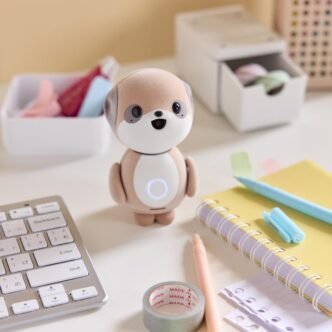
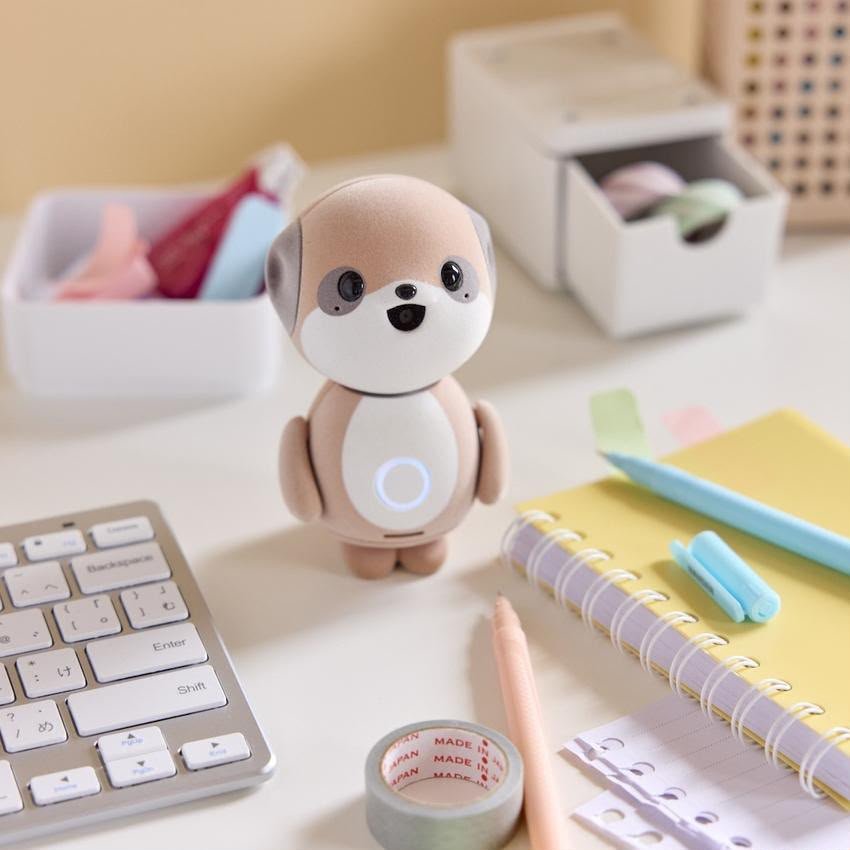
Today, newer products are exploring different forms of companionship. Sharp, for example, plans to release a new version of its AI-powered Poketomo in December 2026. The palm-sized robot is designed in the shape of a meerkat and can converse with users in a casual manner.
Moflin Focuses On Emotional Interaction
Another example is Casio’s Moflin, an AI-powered pet robot designed to become more emotionally expressive through interaction.
The robot responds to being petted and hugged, creating an experience intended to resemble the emotional connection people can develop with pets.
Casio has also provided Moflin to Jikei University Hospital in Tokyo, where it has been used to accompany hospitalised children.
A Robot You Can Carry On A Bag
Japanese startup Yukai Engineering is taking a different approach with Mirumi.
The small clip-on robot can be attached to a bag and moves its head in response to sound or touch. Instead of replacing a household pet or acting as a traditional assistant, its appeal is largely based on its cute appearance and playful interaction.
Aibo Continues To Evolve
Sony’s aibo remains one of Japan’s best-known entertainment robots.
In 2026, Sony began supporting research at universities in Japan and the United States using research prototypes and development tools for aibo. The company said the work aims to explore future functions and services, including applications involving interaction between people and robots and the development of physical AI.
Tokyo’s Innovation Base has also featured aibo as an interactive entertainment robot, allowing visitors to experience its responses to touch, play and communication.
Why AI Is Changing Entertainment Robots
Artificial intelligence is allowing these machines to move beyond simple programmed responses.
Modern companion robots can increasingly:
● Respond to human interaction
● Recognise sounds and environmental cues
● Adapt their behaviour
● Hold conversations
● Display different forms of emotional expression
● Create more personalised interactions
This is part of a wider shift toward robots designed not only to perform tasks but also to participate in people’s everyday experiences.
From Entertainment To Everyday Support
Japan’s robotics industry is also exploring how AI-enabled machines could move into areas such as healthcare, welfare and customer service.
For example, Kawasaki Heavy Industries unveiled Home Leo, a dog-shaped social robot designed to accompany older people at home. The prototype can converse, recognise its surroundings, make decisions and perform certain actions autonomously. The company is targeting a fiscal 2028 launch.
Meanwhile, KDDI and AVITA are developing Japan-made humanoid robots for service applications, including retail, medicine, welfare, entertainment and culture.
Why This Matters
1. Robots Are Becoming More Personal
AI is allowing entertainment robots to respond in ways that feel more individual and interactive.
2. Emotional Comfort Is Emerging As A Use Case
Products such as Moflin show how developers are exploring companionship alongside entertainment.
3. Japan Is Expanding The Role Of Robotics
From aibo and pocket-sized companions to robots designed for older people, applications are moving beyond factories.
4. Physical AI Could Broaden The Market
As robots become better at understanding their surroundings and responding autonomously, their potential uses could expand into everyday services and care.
Final Word
Japan’s latest generation of entertainment robots shows that the future of robotics may not be limited to machines that work for people.
With AI, robots are increasingly being designed to talk, react, accompany and entertain creating a new category of technology that sits somewhere between a gadget and a companion.