Goats Take on an Unusual Job in Central Tokyo
Tokyo commuters have found an unexpected attraction at JR Yotsuya Station, where two goats are helping clear unwanted vegetation along railway property. The initiative, launched on October 9, 2026, uses grazing animals as an environmentally friendly alternative for managing weeds.
While JR East has previously used goats for vegetation control elsewhere in its railway network, the Yotsuya trial is particularly notable because the station is located inside Tokyo’s Yamanote Line loop, close to the historic outer moat of Edo Castle. Reports describe it as the first time JR East has introduced grazing animals for this purpose within the loop.
 WhatsApp Image 2024 07 01 at 13.58.28 4cfca4e0
Meet Nagi-kun and Pokke-chan
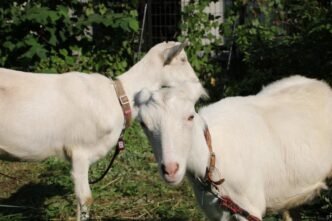
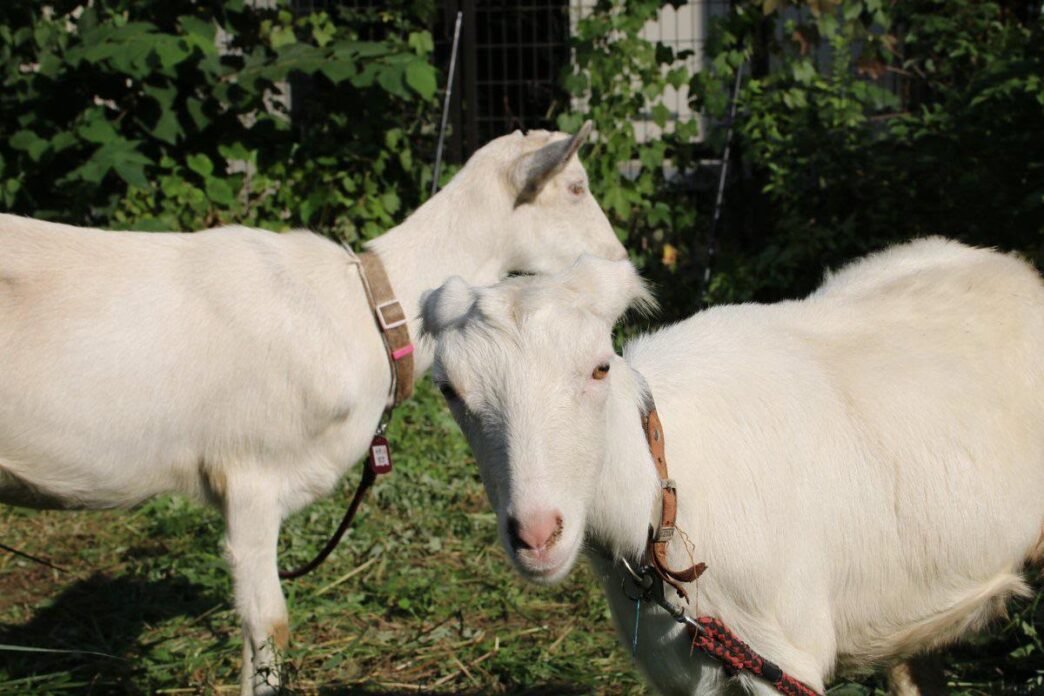
The task has been assigned to two goats: Nagi-kun, a one-year-old male, and Pokke-chan, a two-year-old female.
The pair graze on an embankment beside the railway tracks, eating grass and other vegetation. Their presence has drawn the attention of commuters, students and local residents, many of whom stop to watch them at work.
JR East staff are responsible for caring for the animals and managing their designated area.
A More Natural Approach to Weed Management
Using goats to control vegetation offers an alternative to conventional grass-cutting methods. The animals naturally consume grass and weeds, potentially reducing the need for mechanical equipment in suitable areas.
At Yotsuya, the initiative began after a railway employee suggested using goats to manage an open plot of land near the station. JR East is testing how effectively the method works while ensuring the animals’ movements are controlled and railway safety is maintained.
A New Attraction for Commuters
Beyond vegetation management, the goats have become an unexpected source of enjoyment for people passing through the busy station area. Their presence has attracted attention on social media, with visitors sharing photographs and describing the animals as a welcome break from the pace of city life.
The initiative has also created opportunities for interaction between the station and the surrounding community, particularly among nearby students and children.
However, JR East has placed signs asking people not to feed the goats. The animals are expected to obtain their food through grazing, and additional treats could interfere with their feeding routine.
How Long Will the Goats Stay?
The trial is scheduled to continue until December 2026, although it may end earlier if the available vegetation is cleared. As winter approaches and grass growth slows, the goats are expected to take a break.
JR East has indicated that the animals may return in spring, depending on the outcome of the trial and future vegetation-management needs.
Final WordThe goats at Yotsuya Station show how a simple idea can combine practical maintenance with environmental awareness and community engagement. As JR East explores the effectiveness of grazing-based weed control in central Tokyo, Nagi-kun and Pokke-chan are proving that even routine railway work can offer commuters an unexpected moment of delight.