Japan is seeking a more active role in the Arctic as climate change reshapes the region’s environment, shipping routes and strategic importance. Although Japan has no Arctic territory, it is building its presence through scientific research, international cooperation and efforts to support sustainable use of the region.
The country’s latest efforts include preparations for Mirai II, an ice-capable research vessel scheduled to enter service during Japan’s 2026 fiscal year, and plans to revise its Arctic Policy in fiscal 2027. These initiatives could strengthen Japan’s contribution to polar science and international discussions about the region’s future.
 WhatsApp Image 2024 07 01 at 13.58.28 4cfca4e0
Why the Arctic Matters to Japan
The Arctic is warming rapidly, affecting ecosystems, Indigenous communities and global climate patterns. As sea ice declines, opportunities for Arctic shipping and resource development may expand, while environmental risks and geopolitical competition also increase.
For Japan, a major maritime and trading nation, developments in the Arctic could influence shipping routes, supply chains, energy security and environmental conditions. Japan therefore has economic and scientific reasons to follow changes in the region, even though it is not an Arctic state.
Japan’s Arctic Policy Focuses on Science and Cooperation
Japan established its Arctic Policy in 2015, built around three main pillars: research and development, international cooperation, and sustainable use.
Japan has held observer status in the Arctic Council since 2013. This allows it to contribute to discussions and scientific initiatives, although it does not give Japan the same decision-making status as the eight Arctic states.
Through research programmes and participation in international forums, Japan contributes expertise in climate monitoring, environmental protection, biodiversity and sustainable development.
Mirai II Could Strengthen Japan’s Research Capabilities
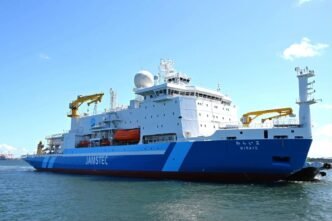
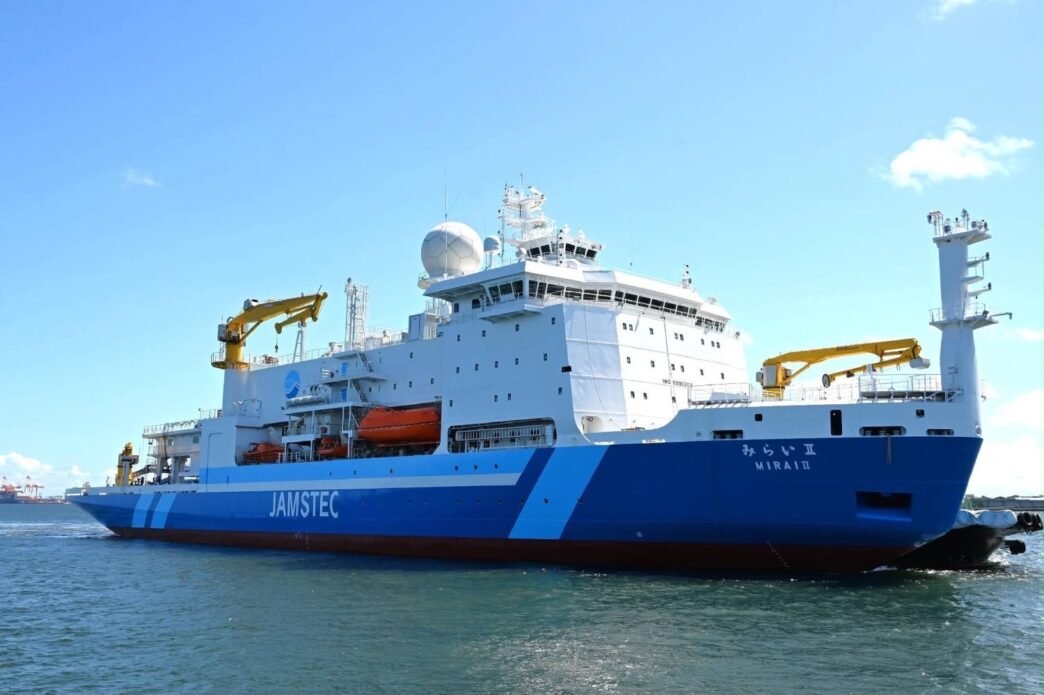
A key part of Japan’s plans is Mirai II, described by the Japanese government as the country’s first Arctic research vessel with icebreaking capabilities. The vessel is intended to serve as an international research platform, supporting observations in Arctic waters and encouraging collaboration with researchers from other countries.
Its planned deployment could help Japan collect scientific data in areas where changing ice conditions make research more challenging. The findings may contribute to a better understanding of climate change, ocean conditions and the effects of environmental shifts on Arctic ecosystems.
Shipping Routes and Economic Opportunities
Reduced sea ice has increased attention on routes across the Arctic Ocean, including the Northern Sea Route along Russia’s northern coastline. These routes may offer alternative connections between parts of Asia and Europe, although their use depends on seasonal ice, weather, infrastructure, costs and geopolitical conditions.
Japan’s interest in the Arctic includes understanding how these changes could affect maritime transportation and trade. However, commercial opportunities must be considered alongside safety requirements, environmental protection and international law.
Navigating a Changing Geopolitical Landscape
The Arctic has become increasingly important in international strategic discussions as countries pay closer attention to security, natural resources and maritime access.
Japan has emphasised the importance of the rule of law, international cooperation and the sharing of scientific data. Its approach has largely focused on research and diplomatic engagement rather than asserting territorial claims in the region.
The Arctic Council remains a central forum for cooperation on environmental protection, sustainable development and issues affecting Arctic residents and Indigenous peoples. Military security matters are outside the Council’s formal mandate, even as Arctic security has become a growing concern for regional governments.
Japan Plans to Strengthen Its Arctic Engagement
At the Arctic Circle Assembly in Iceland in October 2026, Japan’s Ambassador for Arctic Affairs, Katsuhiko Takahashi, outlined the country’s research initiatives, including the planned use of Mirai II as an international platform. He also highlighted Japan’s intention to revise its Arctic Policy in fiscal 2027.
The planned policy review could help Japan adapt its approach to changing scientific, environmental and strategic conditions while strengthening cooperation with Arctic states and other international partners.
Japan’s growing Arctic engagement reflects the region’s increasing importance to climate science, maritime trade and international cooperation. Through its Arctic Council observer role, research programmes and plans for Mirai II, Japan is working to contribute knowledge and technical expertise without claiming Arctic territory.
Whether Japan can expand its influence will depend on the strength of its research capabilities, international partnerships and ability to contribute to sustainable governance. Its next steps, including the planned policy revision in fiscal 2027, will help define its role in the changing Arctic.