Robots Take on Risky Railway Maintenance
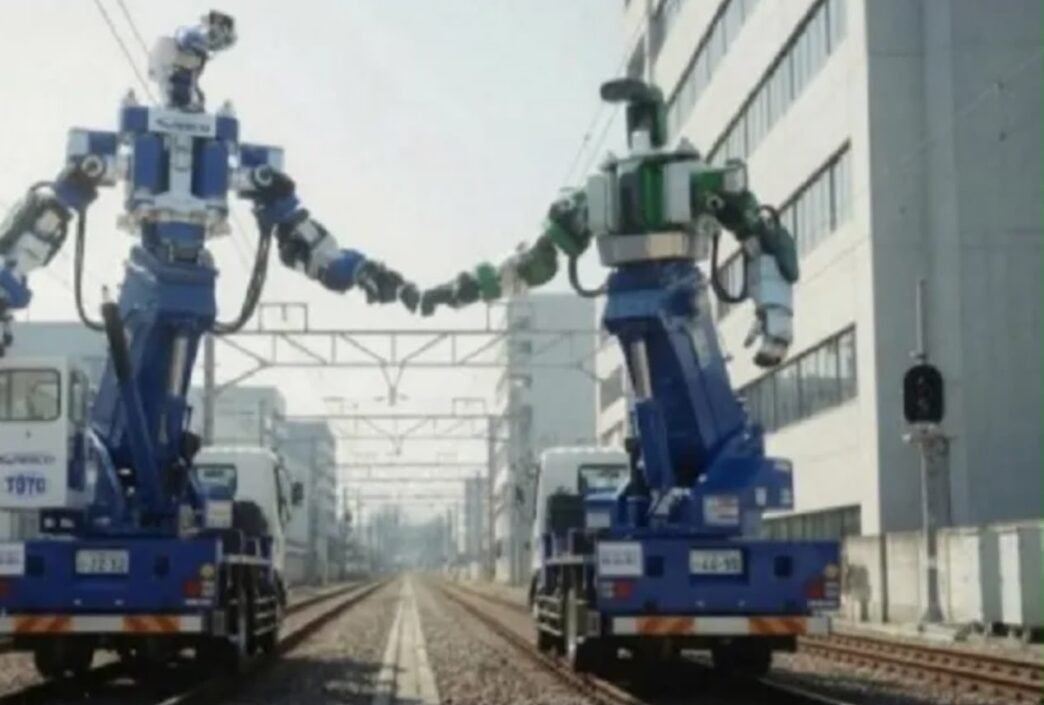
East Japan Railway Company (JR East) is using humanoid robots equipped with chainsaws to help maintain railway infrastructure and keep trains running safely. The machines can cut tree branches growing close to tracks, helping prevent vegetation from interfering with railway operations.
 WhatsApp Image 2024 07 01 at 13.58.28 4cfca4e0
The technology was demonstrated near Nobeyama Station on the Koumi Line in Nagano Prefecture in October 2026. The trial illustrates how robotics is being introduced into routine railway maintenance to reduce the risks faced by workers.
A Robot Designed for Difficult Tasks
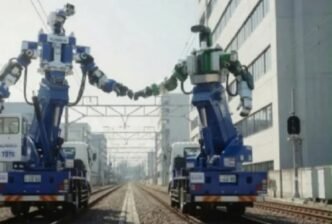
The robot is mounted on a multifunctional railway maintenance vehicle that can travel on tracks and roads. Its two arms perform different tasks: one uses a multi-pronged claw to grip and move branches or debris, while the other carries a chainsaw to cut vegetation.
Cameras allow the human operator to view the work area and control the robot remotely from a safer position. The system is designed to handle jobs that may otherwise require workers to operate at height near railway infrastructure and electrical equipment.
Reducing Risks for Railway Workers
Cutting branches near railway tracks can involve the risk of falling from elevated platforms, working close to high-voltage equipment and handling powerful cutting tools.
By allowing workers to control the robot from the maintenance vehicle, the technology can reduce the need for people to perform these tasks directly in hazardous positions. It may also help railway operators manage maintenance work amid labour shortages and an ageing workforce.
JR East introduced the robots to its maintenance fleet in March 2026, following similar developments by West Japan Railway Company (JR West).
Daytime Maintenance Offers Another Change
Railway maintenance in Japan has traditionally been scheduled overnight, between the last train and the first service of the morning. However, JR East is increasingly carrying out some work during the day to improve employees’ working conditions and accommodate preferences for daytime shifts.
On the Koumi Line, selected trains were suspended during scheduled daytime maintenance periods to provide a safe working window. Although such arrangements can inconvenience passengers, separating maintenance activities from train operations helps reduce risks to workers and railway users.
Robotics Could Shape the Future of Rail Maintenance
The use of chainsaw robots is part of a broader effort by Japanese railway operators to introduce technology into infrastructure management. JR East is also developing autonomous inspection robots equipped with cameras and sensors to collect information about tracks and surrounding areas.
These systems could help identify potential obstructions or damage, allowing staff to assess problems without always needing to patrol hazardous sections on foot. Human workers will continue to make the final decisions about whether an identified issue threatens train operations.
Final Word
JR East’s chainsaw-wielding robots show how specialised machinery can help make railway maintenance safer and more efficient. As Japan faces labour shortages and seeks to maintain reliable rail services, remotely operated equipment could become an increasingly important part of keeping tracks clear and infrastructure in good condition.