Former Japanese Leader Yasuo Fukuda Dies at 90
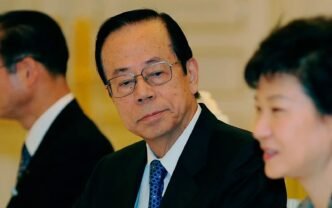
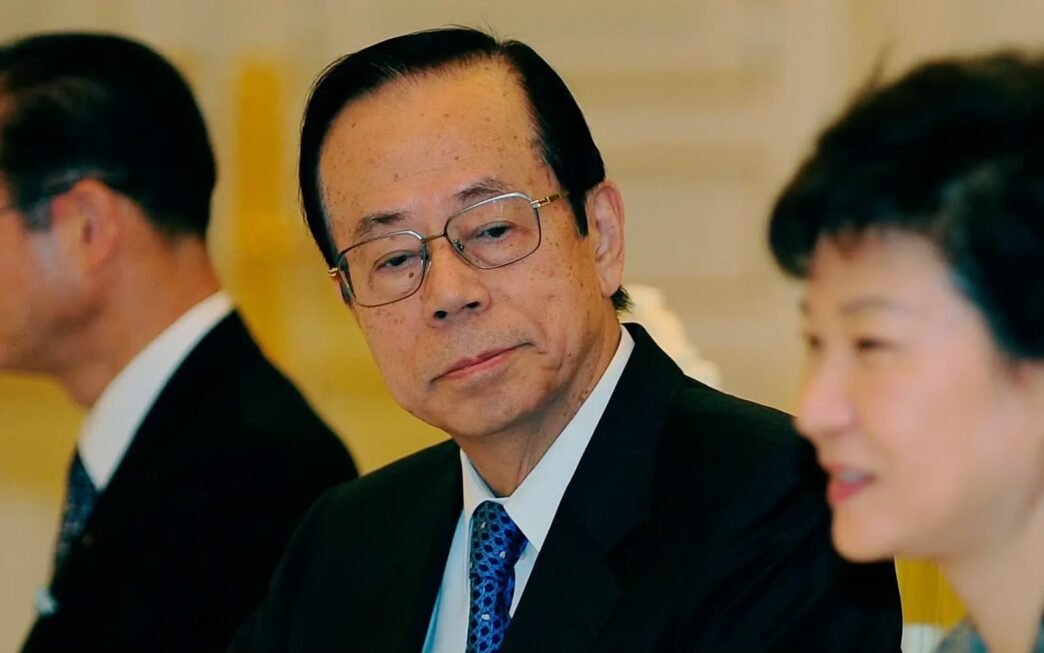
Former Japanese Prime Minister Yasuo Fukuda has died at the age of 90. He passed away from heart failure at a hospital in Tokyo on October 22, 2026, according to reports published on October 26. His death marks the passing of a political leader known for prioritising diplomacy with Japan’s Asian neighbours, particularly China.
 WhatsApp Image 2024 07 01 at 13.58.28 4cfca4e0
Fukuda served as Japan’s prime minister from September 2007 to September 2008. Although his time in office lasted only a year, he sought to promote regional cooperation and improve diplomatic relations amid political challenges at home.
Japan’s First Father-and-Son Prime Ministers
Born in July 1936, Fukuda was the eldest son of former Japanese Prime Minister Takeo Fukuda. His appointment made them the first father-and-son pair to serve as prime ministers in Japan’s constitutional history.
Before entering politics, Yasuo Fukuda worked for an oil company for nearly two decades. He later became a political secretary to his father and was elected to Japan’s House of Representatives in 1990.
He went on to serve as Chief Cabinet Secretary under Prime Ministers Yoshiro Mori and Junichiro Koizumi from 2000 to 2004, becoming one of the country’s longest-serving holders of that position.
A Focus on Relations with Asian Neighbours
Fukuda was regarded as a diplomatic moderate who emphasised engagement with Asian countries. During his premiership, he worked to strengthen Japan-China relations and supported the development of a “strategic mutually beneficial relationship” with Beijing.
In 2008, he hosted Chinese President Hu Jintao in Japan, an important moment in efforts to improve ties between the two countries. Fukuda also pursued closer relations with South Korea and advocated a forward-looking approach to cooperation between Asian neighbours.
After leaving office, he continued to engage in regional diplomacy, including visits to China aimed at supporting dialogue during periods of strained relations.
A Short Premiership Amid Political Challenges
Fukuda became prime minister following Shinzo Abe’s resignation in September 2007. His administration faced a divided parliament, with opposition parties controlling the upper house and complicating the passage of legislation.
The political deadlock created difficulties for the government, including disagreements over policy and the implementation of key measures. Frustrated by the impasse, Fukuda announced his resignation in September 2008.
His departure came less than a year after taking office, making him one of several Japanese prime ministers in that period whose administrations were relatively brief.
His Legacy in Japanese Politics
Beyond diplomacy, Fukuda supported improvements to consumer affairs administration and reforms to Japan’s public document management system. He also chaired the 2008 G8 Hokkaido Toyako Summit, where international leaders discussed issues including climate change and the global economy.
His political career reflected both the challenges of governing in a divided parliament and the importance he placed on maintaining dialogue with neighbouring countries.
Fukuda is survived by his son, Tatsuo Fukuda, who is also a member of Japan’s House of Representatives.
Final Word
Yasuo Fukuda’s death closes a chapter in Japan’s political history. Remembered for his brief premiership and efforts to strengthen relations with Asian neighbours, he leaves a legacy shaped by diplomacy, regional engagement and the challenges of governing during a period of political division.