Japan Left with Just One Captive Sea Otter
Japan is facing the possible end of an era for sea otters in its aquariums following the death of Kira, an 18-year-old female sea otter at Toba Aquarium in Mie Prefecture.
 Asahi Travel Service Pvt Ltd
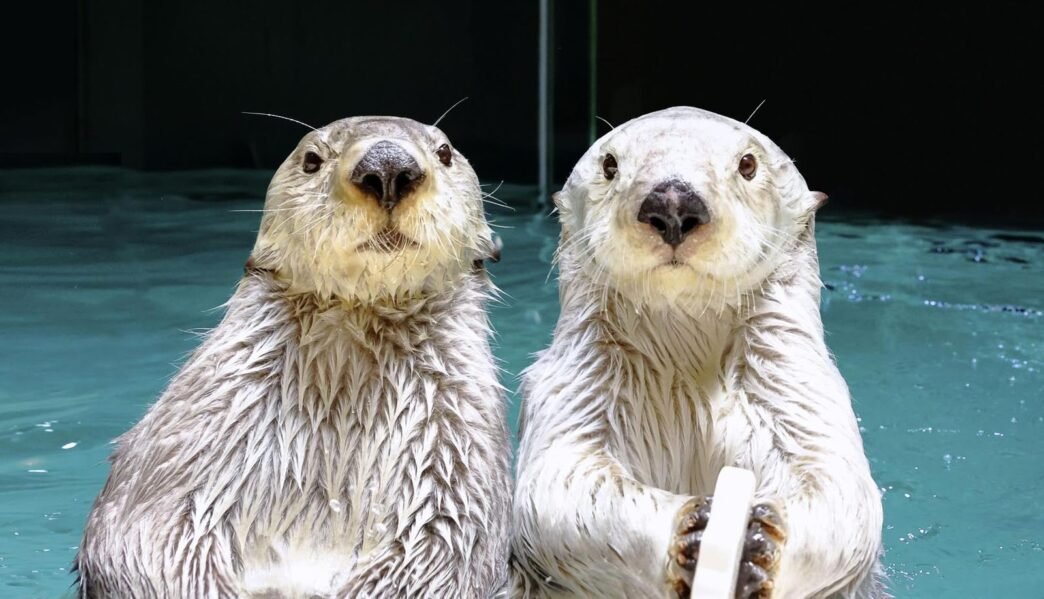
Kira died on November 5, 2026, leaving 22-year-old May as the country’s only remaining sea otter in captivity. The development has drawn attention to the declining number of sea otters in Japan and the challenges involved in protecting the endangered marine species.
Around 250 visitors reportedly gathered outside Toba Aquarium when public viewing of May resumed following a temporary suspension after Kira’s death.
From 122 Sea Otters to Just One
Japan once had a much larger captive sea otter population. In 1994, the number reached 122 animals across aquariums and other facilities.
However, the population gradually declined because sea otters are difficult to breed in captivity. Restrictions on international animal imports, particularly from the United States, have also made it difficult for Japanese aquariums to bring in new animals.
Kira was born in April 2008 at Adventure World in Wakayama Prefecture. She was transferred to Toba Aquarium in March 2021, where she lived alongside May.
The average life expectancy of sea otters in captivity is around 20 years, making May’s survival and well-being an important concern for aquarium staff and visitors.
Why Are Sea Otters Endangered?
Sea otters inhabit coastal areas of the North Pacific Ocean and are recognised for their dense fur, which helps them survive in cold marine environments.
Historically, extensive hunting for their valuable fur pushed wild populations close to extinction. Although international conservation efforts helped numbers recover, the International Union for Conservation of Nature (IUCN) continues to classify the species as endangered.
Today, sea otters also face challenges linked to habitat conditions, environmental changes and human activities.
Their role in marine ecosystems is particularly important because they help control populations of sea urchins and other animals, supporting the health of coastal kelp forests.
Challenges in Bringing Sea Otters Back to Japanese Aquariums
The possibility of introducing new sea otters to Japan remains complicated. US regulations require facilities seeking to receive animals to meet specific standards relating to animal welfare, enclosure size, sterilisation and educational programmes.
Experts say Japanese aquariums would need to improve their facilities and conservation practices to meet these requirements.
Another challenge involves rescued sea otters. Animals raised by humans from an early age may struggle to survive if released into the wild, making suitable long-term care facilities essential.
Researchers and conservation specialists are therefore emphasising the importance of improving animal welfare and protecting natural habitats rather than focusing only on increasing captive populations.
May Becomes an Important Ambassador for Sea Otter Conservation
With May now the only captive sea otter in Japan, visitors have a rare opportunity to observe the species at Toba Aquarium.
The aquarium’s experience of caring for sea otters over several decades also provides valuable knowledge for research and conservation. Its work with universities and other institutions contributes to a better understanding of sea otter habitats and populations.
Conservation experts are encouraging visitors to look beyond the animals’ popularity and learn about the environmental challenges they face.
The loss of Kira and the presence of only one captive sea otter in Japan highlight the growing challenges of marine wildlife conservation. While May continues to attract visitors at Toba Aquarium, her story serves as a reminder of the importance of protecting endangered species, supporting scientific research and preserving healthy marine ecosystems.