Japan’s Car Culture Attracts a New Wave of International Visitors
Japan is becoming a popular destination for international car enthusiasts who want to experience its famous modified-car culture beyond movie screens and video games.
 Asahi Travel Service Pvt Ltd
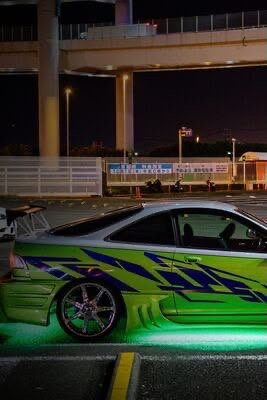
Inspired by The Fast and the Furious: Tokyo Drift, visitors from countries around the world are travelling to Tokyo and nearby Yokohama to see iconic Japanese sports cars, attend car gatherings and explore the country’s automotive scene.
The growing interest in Japanese Domestic Market (JDM) culture is also creating new opportunities for tourism businesses offering specialised car experiences.
Daikoku Parking Area Becomes a Must-Visit Destination
One of the biggest attractions for international car fans is the Daikoku Parking Area in Yokohama, widely recognised as a major meeting point for Japan’s automotive community.
Located beneath elevated expressways, the parking area regularly attracts enthusiasts displaying customised and high-performance vehicles. Visitors can spot legendary models such as the Nissan GT-R, Mazda RX-7 and Nissan Fairlady Z.
Tourists from different countries gather to photograph the vehicles, meet their owners and experience the atmosphere of Japan’s car community.
For many fans, visiting Daikoku is a chance to see cars they previously knew only through films, racing games and social media.
How Tokyo Drift Helped Take JDM Culture Global
Japan’s JDM culture developed alongside the country’s automotive growth, particularly from the 1960s onwards. Enthusiasts began modifying vehicles for performance, appearance and personal expression.
During the 1980s and 1990s, street-racing communities and mountain-pass driving became influential parts of the scene. Manga, anime and racing games later helped introduce Japanese performance cars to international audiences.
The 2006 film The Fast and the Furious: Tokyo Drift brought this culture to an even wider audience, showcasing Japanese cars, drifting and Tokyo’s nighttime automotive atmosphere.
Today, social media platforms have further strengthened this connection, allowing enthusiasts worldwide to follow Japanese car gatherings and discover automotive destinations across the country.
Automotive Tourism Creates New Experiences
The growing popularity of JDM culture has encouraged tour operators to introduce specialised experiences for international visitors.
These include guided visits to famous car gathering spots, rides in modified vehicles and trips through Tokyo’s illuminated expressway network. Automotive destinations such as A PIT Autobacs in Shinonome have also become popular meeting places, offering car accessories, tuning services and lifestyle products.
According to a Bloomberg report published in November 2026, the number of JDM-related tours listed on GetYourGuide has more than tripled over the previous two years, reflecting rising international interest in this niche travel experience.
Growing Popularity Also Brings Challenges
The increasing number of visitors has created concerns around crowd management and public safety, particularly at Daikoku Parking Area.
As a working highway rest stop rather than an official tourist attraction, the location has limited space. Large gatherings can lead to congestion, prompting police to close access temporarily and ask visitors to disperse.
Authorities and local communities face the challenge of balancing growing tourism interest with road safety, public order and the needs of regular highway users.
Final Word
Japan’s JDM culture has grown from a passionate automotive subculture into an international tourism attraction. From legendary sports cars to the famous gatherings at Daikoku, the country’s automotive heritage continues to inspire enthusiasts across generations.
What once captured imaginations through films such as Tokyo Drift is now bringing visitors to Japan to experience its car culture firsthand.