Japan Plans a Nationwide Response to Population Decline
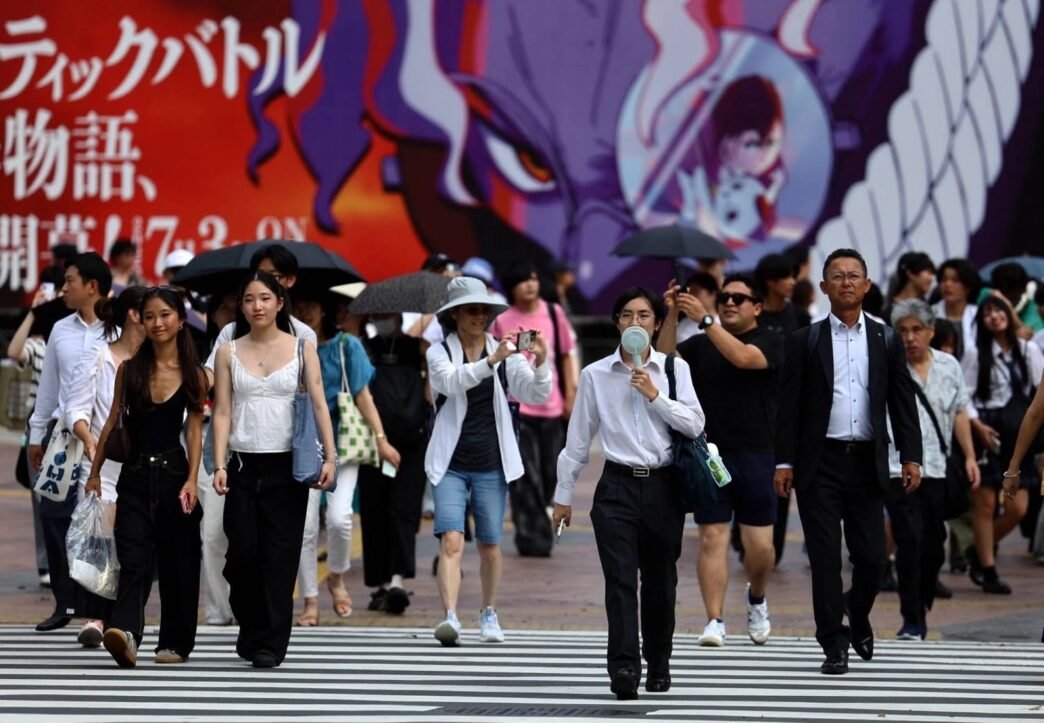
Japan’s government is preparing a comprehensive population strategy to address the country’s declining population while maintaining economic growth and social stability.
 Asahi Travel Service Pvt Ltd
Led by Prime Minister Sanae Takaichi, the initiative aims to bring together policies covering childbirth, employment, social security, regional development and the country’s future workforce.
The government plans to finalise the strategy by the end of 2026, following discussions involving cabinet ministers and a panel of 14 experts from academic and business backgrounds.
Four Key Priorities Behind the Strategy
The proposed strategy will focus on four fundamental areas:
● Reversing population decline: Encouraging childbirth and creating conditions that make marriage and raising children more financially manageable.
● Maintaining economic vitality: Improving productivity and addressing labour shortages as the working-age population shrinks.
● Strengthening social security: Developing a sustainable system that supports people across different generations.
● Supporting regional communities: Helping local areas remain economically and socially sustainable despite population losses.
The government believes these measures must work together rather than being handled separately by individual ministries.
Japan’s Birth Rate Reaches a Record Low
Japan’s demographic challenges have become increasingly serious. The country’s population peaked at approximately 128.08 million in 2008 and has continued to decline.
The total fertility rate fell to a record low of 1.14 in 2025, highlighting the difficulty of reversing the declining birth rate.
The population has also been shrinking around 15 years earlier than previously projected, increasing concerns about future economic growth, healthcare services and pension sustainability.
Prime Minister Takaichi has described population decline as a silent crisis that threatens Japan’s national strength.
Artificial Intelligence and Foreign Workers in Focus
Another major challenge is maintaining essential services with a smaller workforce.
The government is considering greater use of artificial intelligence to improve productivity and support sectors such as healthcare, nursing care, logistics and public transportation.
The strategy will also examine different population scenarios based on future birth rates and the number of foreign workers entering Japan.
This could help policymakers understand how immigration, technology and domestic employment policies may contribute to Japan’s future labour supply.
New Proposals to Support Families
Japan’s population debate is also prompting additional proposals from the ruling Liberal Democratic Party.
On November 27, the party presented a draft proposal that included benefits of ¥10 million for each third and subsequent child, tax reductions related to childbirth and child-rearing, expanded free nursery services and greater support for fertility treatment.
These are party proposals and have not yet become confirmed government benefits. They are expected to be considered as part of the broader population policy discussions.
Final Word
Japan’s planned population strategy represents an important effort to prepare the country for long-term demographic changes. By combining family support, technological innovation, workforce planning and regional development, the government hopes to maintain a strong economy and sustainable communities even as the population continues to shrink.
Japan’s modified-car scene is attracting a growing number of international visitors, with fans travelling to Tokyo and Yokohama to experience the Japanese Domestic Market (JDM) culture made famous by The Fast and the Furious: Tokyo Drift. Car gatherings, iconic Japanese sports cars and guided automotive tours are turning this once niche interest into a tourism attraction. NDTV +1