When you think of anime, what comes to mind? Perhaps it’s the colorful worlds of Naruto, Attack on Titan, or Demon Slayer. For decades, Japan’s anime industry has captivated audiences around the globe, including millions in India. But what’s truly fascinating is how this cultural phenomenon is now shaping real connections between two powerful creative economies India and Japan.
From artistic collaborations to production partnerships and fan-driven markets, anime has become a bridge linking not just two cultures, but two entire creative industries. Let’s explore how animation, storytelling, and shared imagination are bringing India and Japan closer than ever before.


1. A Shared Passion for Storytelling
At the heart of both Indian and Japanese cultures lies a deep respect for storytelling. Whether it’s India’s rich mythological tales like the Mahabharata and Ramayana, or Japan’s timeless legends of samurai and spirits, both nations have built their identities through narrative traditions.
Anime, in many ways, resonates with Indian audiences because of this shared narrative depth. The emotional arcs, moral conflicts, and cultural symbolism in Japanese anime mirror the storytelling essence found in Indian cinema and folklore. This emotional universality has made anime more than entertainment it’s become a language of connection.
2. From Viewers to Creators: India’s Growing Anime Industry
India has long been a consumer of Japanese anime, but the equation is beginning to shift. Indian studios and artists are stepping up to create their own anime-inspired content merging Japanese artistry with Indian culture.
Studios in cities like Bengaluru, Mumbai, and Hyderabad are collaborating with Japanese production houses to co-create animation projects. Examples include Indian artists contributing to anime backgrounds, 3D modeling, and visual effects for Japanese series. The growth of digital platforms and anime streaming services has also opened new avenues for Indian animators to learn, adapt, and create content that appeals to both markets.
One notable initiative was the Indo-Japan co-production Ramayana: The Legend of Prince Rama, which set the foundation for early collaborations in the 1990s. Today, such partnerships are expanding into new genres, from fantasy and science fiction to slice-of-life dramas that highlight shared values like discipline, perseverance, and harmony.
3. Creative Exchange Beyond Borders
Anime has become a powerful cultural export, but it’s also a two-way street. Japanese studios have recognized India’s immense potential as both a creative hub and a massive audience base.
Japanese production companies are increasingly outsourcing parts of animation to Indian studios, benefiting from India’s growing pool of talented digital artists. Meanwhile, Indian creators are learning the meticulous art style, disciplined work ethic, and storytelling precision that define Japanese animation.
Educational institutions have also joined the movement universities in both countries are now introducing exchange programs and animation courses that train students in anime production, 2D and 3D design, and digital storytelling. This academic collaboration ensures that creativity, skills, and technology continue to flow freely between both nations.
4. Anime Conventions: The Pulse of Pop Culture Connection
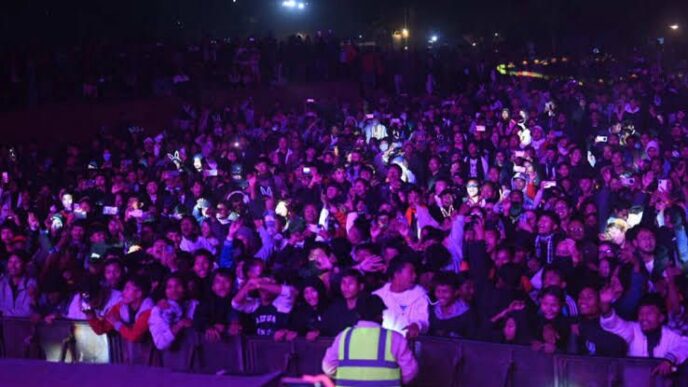
Walk into an anime convention in Delhi, Mumbai, or Chennai, and you’ll see a vibrant mix of cosplay, manga art, workshops, and fan discussions all celebrating Japan’s creative spirit in India. These events have evolved into cultural bridges, where fans become ambassadors of Indo-Japanese exchange.
Japanese brands, artists, and embassies often participate in these conventions, showcasing the depth of Japan’s creative industries and connecting directly with Indian audiences. What began as fan gatherings has now turned into powerful soft diplomacy tools promoting mutual respect, tourism, and business collaborations through shared creativity.
5. Economic Potential: Animation as a Growth Frontier
Beyond cultural fascination, anime’s growing influence carries significant economic potential. India’s animation and VFX market is projected to cross billions in valuation, and Japan’s anime exports continue to grow globally. A partnership between the two can lead to mutual growth with India offering technical expertise and a vast talent pool, while Japan contributes artistic leadership and production quality.
Streaming giants like Netflix and Crunchyroll are also expanding their India-Japan collaborations, commissioning original anime content and dubbing popular series in multiple Indian languages. This localization is not just about accessibility it’s about recognition of India as a serious contributor to global anime culture.
6. Cultural Harmony Through Frames
What makes this collaboration even more meaningful is the cultural harmony that anime embodies. Themes such as respect for nature, family bonds, inner strength, and the pursuit of excellence resonate deeply in both Indian and Japanese societies.
When Indian artists interpret Japanese stories, they often bring unique emotional perspectives adding layers of local color, music, and expression. In return, Japanese creators are inspired by India’s vast mythology and diversity, which offer endless inspiration for future anime narratives. Together, these exchanges paint a picture of creativity without borders.
7. The Future: A Shared Vision for Creative Innovation
As India and Japan continue to strengthen their diplomatic and economic ties, the creative sector particularly anime stands out as a vibrant field of collaboration. Initiatives led by organizations like Connect India Japan (CIJ) are encouraging more cross-border partnerships, student exchanges, and media collaborations.
In the coming years, we may see the emergence of a new genre Indo-Japanese anime blending traditional art with modern technology, powered by two nations that understand the power of imagination.
Anime has always been more than just a form of entertainment it’s an art form that speaks across languages, generations, and borders. In the evolving partnership between India and Japan, it has become a symbol of shared creativity and cultural respect.
Every frame, every story, and every collaboration adds a new color to the canvas of Indo-Japanese friendship. Together, they’re not just animating characters they’re animating a future of innovation, connection, and cultural unity.
In a frame where India meets Japan, creativity knows no boundaries only possibilities.