For decades, Japan has been admired worldwide as one of the safest countries on Earth. From unattended wallets being returned to spotless streets at midnight, the nation’s reputation for law and order has long stood unchallenged. However, that image is now showing signs of strain. A noticeable rise in car thefts and home intrusions across several regions has sparked concern among citizens, police, and policymakers alike.
A Shift in the Safety Narrative


Japan’s crime rates remain low when compared to many global standards, but the recent increase in specific crimes is significant because it breaks long-standing trends. Car thefts, once rare and highly localized, are now occurring more frequently in both urban and semi-rural areas. Similarly, reported cases of home break-ins and unauthorized entries are climbing, particularly in neighborhoods once considered nearly immune to such incidents.
This shift has shaken public confidence. Many residents who once felt comfortable leaving doors unlocked or cars unattended are now rethinking daily habits that symbolized Japan’s deep trust-based society.
Why Are These Crimes Increasing?
Experts point to several overlapping causes behind the rise:
1. Economic Pressure
Inflation, rising living costs, and job insecurity have created financial stress, especially among part-time workers, elderly citizens without stable income, and younger adults struggling with stagnant wages. Historically, economic strain has been linked to higher property-related crimes, and Japan appears to be no exception.
2. Organized Crime Networks
Police reports suggest that some car thefts are no longer isolated acts but part of organized operations. Stolen vehicles are often dismantled for parts or shipped overseas through illegal export networks, making them difficult to trace.
3. Aging Population and Empty Homes
Japan’s rapidly aging society has created large numbers of vacant houses, especially in rural and suburban areas. These empty properties are easy targets for break-ins, sometimes used by intruders for temporary shelter or illegal storage.
4. Rise in Foreign Crime Perception Fact vs Fear
While isolated incidents involving non-Japanese offenders receive heavy media attention, experts caution against blanket blame. The vast majority of foreign residents remain law-abiding. However, sensational reporting has amplified public anxiety and sometimes distorted reality.
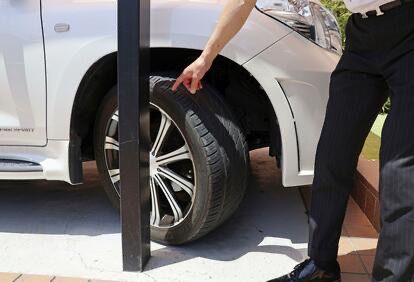
One of the most striking effects of the crime increase is the change in everyday behavior. Residents are installing additional locks, surveillance cameras, and alarm systems. Car owners are investing in steering locks, GPS trackers, and secure parking garages. Convenience stores and apartment complexes are strengthening nighttime security, and community patrols are becoming more active.
What was once considered unnecessary caution is now becoming standard practice.
Police and Government Response
Japanese law enforcement agencies are responding with expanded patrols, improved digital surveillance, and closer cooperation with international crime units to track stolen vehicle exports. Authorities are also urging citizens to:
● Lock homes and vehicles at all times
● Avoid leaving valuables in plain sight
● Report suspicious activity immediately
● Register cars with advanced anti-theft systems
Some local governments are offering subsidies for home security equipment, especially in crime-sensitive zones.
Impact on Japan’s Global Image
Japan’s reputation as an ultra-safe society has long been a key factor attracting tourists, investors, and global professionals. While the country remains far safer than many other nations, the symbolic damage caused by rising theft and intrusion cases cannot be ignored.
Tourism officials are particularly cautious, as visitors often associate safety with the freedom to explore at any hour without fear. Even small changes in perception could influence travel behavior and international confidence.
Media’s Role in Shaping Public Fear
Another key concern is how crime is being portrayed. With the rise of social media and 24-hour news platforms, even minor incidents can become viral and appear widespread. Experts warn that fear can escalate faster than crime itself, leading to panic, discrimination, or misinformation.
Balanced reporting and verified data remain essential to avoid unnecessary social tension.
The honest answer is yes Japan remains one of the safest countries in the world. However, the recent rise in car thefts and home intrusions serves as a warning that no society is immune to change. Safety, once taken for granted, now requires active protection.
The situation highlights an important truth: even the world’s safest nations must constantly adapt to evolving social, economic, and technological challenges.
Japan now stands at a crossroads. By strengthening community awareness, upgrading law enforcement technology, addressing economic pressures, and ensuring responsible media reporting, the country can protect its hard-earned reputation for safety.
The rise in these crimes does not signal the collapse of Japan’s order but it does signal the end of complacency.
Originally written by:Mainichi Japan
Link to the article: https://mainichi.jp/english/articles/20251203/p2g/00m/0bu/036000c